Key Takeaways
- A dog that refuses food but keeps drinking water may be dealing with a medical issue, behavioral change, or environmental stressor that needs attention.
- Continued water consumption is a good sign, since dehydration in dogs can turn dangerous within 24 to 48 hours.
- Common medical causes of appetite loss include dental disease, gastrointestinal disorders, infections, and organ-related conditions.
- Behavioral triggers like anxiety, routine changes, or food boredom can also make a dog stop eating without affecting thirst.
- According to the American Kennel Club, a healthy adult dog can safely go without food for up to two days, but puppies and senior dogs need faster intervention.
- You should always consult a licensed veterinarian if your dog’s appetite loss lasts beyond 24 to 48 hours or comes with other symptoms like vomiting, lethargy, or weight loss.
- Practical strategies like warming food, switching protein sources, or offering dog food alternatives recommended by brands like Purina or Royal Canin can help stimulate appetite.
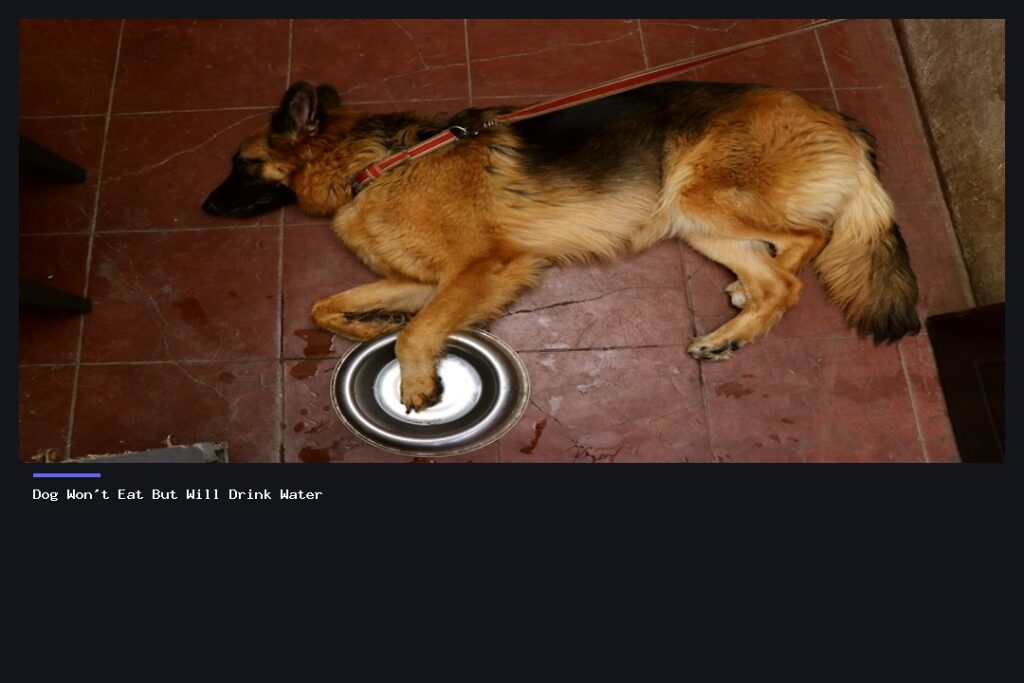
Finding out your dog won’t eat but will drink water is one of the most unsettling things a pet owner can go through. Food isn’t just fuel for your dog — it’s a daily ritual, a source of comfort, and a key indicator of overall health. When that ritual suddenly stops, feeling alarmed and unsure of what to do next is completely natural. Continued water consumption is itself a reassuring sign, suggesting your dog’s body is still maintaining one of its most critical survival functions.
Whether your dog has skipped one meal or has been refusing food for several days, understanding the root cause matters. Appetite loss can stem from a wide range of issues — from minor dietary boredom to serious underlying illness. This guide walks you through everything you need to know, from identifying medical and behavioral triggers to taking immediate action and knowing when to call your vet. By the end, you’ll have the confidence to respond effectively and keep your companion healthy.
When a dog won’t eat but will drink water, it often signals an underlying medical condition, emotional stressor, or dietary issue. While continued hydration is a positive sign, appetite loss lasting more than 24 to 48 hours warrants veterinary attention. Identifying the cause early is essential for protecting your dog’s long-term health and canine dietary needs.
Understanding Why Your Dog Won’t Eat But Will Drink Water
Dogs are creatures of habit, and their eating behavior is one of the most reliable windows into their physical and emotional wellbeing. When a dog suddenly refuses food while continuing to drink normally, it tells us something specific: the thirst mechanism is working, but something is getting in the way of appetite. According to the American Kennel Club, appetite and thirst are regulated by different physiological systems — which is why one can be disrupted without affecting the other. That distinction is crucial when you’re trying to gauge how serious the situation really is.
The reasons behind a dog refusing food while drinking normally are remarkably varied. On one end, your dog might simply have food boredom — a surprisingly common issue that pet nutrition experts at Purina highlight, noting that dogs fed the same diet for long stretches can develop a temporary disinterest in meals (something I hadn’t considered until I started looking into this more carefully). On the other end, appetite loss can be an early warning sign of serious conditions like kidney disease, liver problems, or systemic infections. Your dog’s age, breed, recent activity levels, and any environmental changes are all worth factoring in before drawing conclusions.
Water consumption itself can also be a diagnostic clue — a detail most guides completely overlook. Normal or slightly increased drinking alongside food refusal may suggest nausea or a mild gastrointestinal upset. Dramatically increased water intake paired with appetite loss, though, could point toward conditions like diabetes mellitus or Addison’s disease. PetMD consistently advises pet owners to track both eating and drinking patterns carefully, since the relationship between the two gives vets valuable diagnostic information. A simple log of when your dog last ate, how much water they’re drinking, and any other behavioral changes can make a real difference during a vet visit.
Dog eating habits are deeply personal and vary a lot from one animal to the next. Some dogs are notoriously picky eaters, while others will devour anything in front of them. Knowing your dog’s baseline is essential. A dog that occasionally skips a meal may just be less hungry that day — especially after heavy exercise or during a heat wave. When food refusal becomes a pattern spanning more than one or two meals, though, it shifts from a quirk into a genuine health concern that deserves closer attention and, often, a call to your vet.
Common Medical Causes for Appetite Loss in Dogs
Medical conditions rank among the most frequent and serious reasons a dog stops eating. Dental disease is one of the most overlooked culprits — affecting about 80 percent of dogs over three years old, per the ASPCA. Tooth pain, gum inflammation, or oral infections make eating uncomfortable or outright painful. Drinking water doesn’t involve the same chewing motion as solid food, so a dog with dental trouble will often keep hydrating normally while skipping meals entirely. Owners sometimes notice their dog walking up to the bowl, sniffing with obvious interest, then turning away — a pattern that points to oral discomfort rather than a genuine loss of hunger.
Gastrointestinal problems make up another major category. Conditions like gastritis, pancreatitis, inflammatory bowel disease, and intestinal parasites can all trigger nausea and abdominal pain, pushing a dog to refuse food while still drinking water. Royal Canin’s veterinary nutrition team points out that an inflamed stomach lining is extremely sensitive — even the smell of food can set off nausea responses that shut down appetite. The dog isn’t choosing to skip meals. Its body is actively suppressing hunger to protect an already irritated digestive tract.
Beyond dental and GI issues, a wide range of systemic illnesses can show up as appetite loss. Kidney disease, liver dysfunction, Addison’s disease, and various cancers are all linked to reduced or absent appetite, often as one of the earliest signs something is wrong (I’ve seen owners dismiss this early warning for weeks, which rarely ends well). Bacterial and viral infections — including parvovirus, distemper, and leptospirosis — can also cause sudden, severe food refusal. PetMD stresses that appetite loss in these cases usually comes alongside other symptoms: lethargy, vomiting, diarrhea, unusual thirst, or weight loss. If your dog shows any combination of these signs with food refusal, get to a vet fast, because early diagnosis dramatically improves outcomes for most serious conditions.
Medications and recent vaccinations are two factors pet owners often miss entirely. Many common drugs — antibiotics, anti-inflammatories, chemotherapy agents — list appetite suppression as a known side effect. Dogs also typically see a temporary dip in appetite for 24 to 48 hours after routine vaccinations, as their immune system responds to the vaccine. If your dog recently started a new medication or got a shot and has since gone off food, share that timeline with your vet — it’s more relevant than it might seem. Most medication-related cases resolve on their own as the body adjusts, but close monitoring and honest communication with your vet is still the smartest move.
Behavioral and Environmental Factors: How Stress and Routine Changes Affect Dog Eating Habits
Not every case of appetite loss traces back to a medical condition. Many owners are genuinely caught off guard when they discover their dog’s food refusal stems entirely from emotional or environmental triggers. Dogs are creatures of habit — even minor disruptions to their daily routine can produce big behavioral responses, including a sudden and complete disinterest in food. Recognizing these non-medical causes helps owners respond sensibly rather than jumping straight to worst-case assumptions.
How Stress Affects Dog Eating Behavior
Stress is one of the most common behavioral drivers behind a dog refusing food. Dogs react anxiously to a surprisingly wide range of triggers. Moving homes, a new baby or pet arriving, fireworks, a shift in the owner’s work schedule, or even rearranged furniture can deeply unsettle a dog. The American Kennel Club notes that stress-related appetite loss hits hardest in sensitive breeds like Border Collies, German Shepherds, and Vizslas. When a dog feels anxious, its body releases cortisol and adrenaline — hormones that actively suppress hunger and redirect energy toward perceived threats.
Many owners notice their dog eats fine away from home but refuses meals in a new environment — a pattern that points clearly to environmental anxiety rather than physical illness. Hydration is a more instinctive drive, harder for stress to override. Eating, by contrast, requires a genuine sense of safety and comfort. A dog that doesn’t feel secure where it is will often hold off on food until its stress levels come down.
Routine Disruptions and Feeding Habit Changes
Changes to a dog’s feeding schedule can throw off normal eating habits in ways owners consistently underestimate. Switching food brands without warning, shifting meal times, or moving the bowl to a different spot can all cause temporary refusal. Purina’s nutrition experts recommend transitioning between foods gradually over seven to ten days to reduce both digestive and behavioral pushback (skipping this step is probably the single most common mistake owners make during a food switch). A sudden diet change can overwhelm a dog’s palate and digestive expectations at the same time, resulting in flat-out rejection of whatever’s in the bowl.
Social dynamics within the household matter too. A dog that used to eat alongside another pet may stop eating after that companion dies or leaves the home. Grief and social loss are real for dogs, and their eating behavior reflects emotional states much like it does in humans. Animal behaviorists generally find these cases resolve within one to two weeks, though some dogs need extra reassurance and support from their owners during that stretch.
Picky Eating Versus True Appetite Loss
There’s a real difference between genuine appetite loss and learned picky eating — and it’s worth knowing which one you’re dealing with. Some dogs figure out that refusing kibble gets them something tastier. Over time, that pattern becomes a habit owners unintentionally reinforce. If your dog skips meals but lights up the moment treats or table scraps appear, behavioral conditioning is the more likely culprit — not illness. Breaking that cycle takes consistency: offer meals at set times, pull uneaten food after 20 to 30 minutes, and resist swapping in premium treats as a meal replacement.
Immediate Steps to Take If Your Dog Stops Eating
When your dog refuses food, staying calm and methodical will serve you far better than panicking. Most short-term food refusals resolve on their own. Still, knowing which steps to take — and when to call the vet — makes a real difference to your dog’s health and your own peace of mind.
Assess the Situation First
Start by gathering basic information. Note how long your dog has been refusing food. One skipped meal is rarely cause for alarm. Anything beyond 24 hours deserves closer attention. Check for other signs of illness: lethargy, vomiting, diarrhea, unusual water consumption, visible pain, bloating, or behavioral changes. Write everything down — your vet will ask for exactly this, and having it ready speeds up the whole process considerably.
Examine your dog’s mouth if you can. Look for broken teeth, swollen gums, foreign objects, or odd odors that might point to dental problems. Check the food itself too. Make sure it hasn’t spoiled, expired, or changed in formulation. Sometimes a new bag of the same brand carries a slightly different smell that a dog detects and flat-out rejects. These quick checks take only minutes but can uncover obvious causes right away.
Try Gentle Dietary Adjustments
If your dog shows no signs of serious illness, try a few practical feeding adjustments before calling the vet. Warm the food slightly — heating it to body temperature releases aromas that can wake up a sluggish appetite. Stir in a small amount of low-sodium chicken broth or plain boiled chicken. PetMD suggests bland, easily digestible additions can re-engage a reluctant eater without overhauling their whole diet. Keep portions small at first. Piling a large serving in front of a dog with a suppressed appetite often backfires — and I’ve seen this create an even stronger aversion to the food bowl.
When to Contact Your Veterinarian
Some situations need professional attention without delay. Call your vet immediately if your dog hasn’t eaten for more than 48 hours, is losing weight, vomiting repeatedly, showing extreme lethargy, or has known health conditions. Puppies, senior dogs, and pregnant dogs have less physiological reserve — they should be seen within 24 hours of food refusal. The ASPCA advises that dogs with diabetes, kidney disease, or heart conditions need same-day evaluation when they stop eating, since these conditions can destabilize fast without adequate caloric intake.
Keep a running record of everything you notice: water intake, energy levels, bathroom habits, and any recent changes to their environment or diet. That kind of detail turns a routine vet visit into a genuinely productive diagnostic conversation, helping your vet pinpoint the root cause much faster.
How Hydration Plays a Role in Canine Health
Water underpins nearly every biological process in a dog’s body. It regulates temperature, transports nutrients, flushes waste through the kidneys, lubricates joints, and keeps digestion running smoothly. So when your dog won’t eat but keeps drinking water, that’s genuinely good news. It means critical organ function is still being supported, even as caloric intake drops. Understanding how canine hydration works helps you read your dog’s condition more accurately during appetite loss.
A dog’s body is about 60–70% water. Even mild dehydration — a drop of just 5% in body water — can cause noticeable lethargy, dry gums, and reduced cognitive function. Above 10%, dehydration becomes life-threatening fast. Many owners find that watching their dog’s water intake gives them a reliable daily health signal. A dog drinking normally while refusing food is in a very different situation than one refusing both food and water simultaneously (the latter being the scenario that genuinely warrants an urgent vet call).
How Much Water Should a Dog Drink?
The American Kennel Club recommends about one ounce of water per pound of body weight each day. A 50-pound dog should drink roughly 50 ounces — around six cups — daily. Activity level, temperature, and diet all shift this number. Dogs eating wet food naturally drink less from their bowl, since their meals already carry significant moisture. When a dog stops eating dry kibble, their bowl intake may actually tick upward as their body compensates — a pattern I noticed pretty quickly when tracking this across different feeding situations.
Tracking water consumption during a food refusal episode can reveal useful patterns. Excessive drinking — far more than usual — can signal kidney disease, diabetes, Cushing’s disease, or urinary tract infections. These conditions often suppress appetite while driving intense thirst. Catching this combination early hands your vet valuable diagnostic information. On the flip side, a dog drinking slightly less than normal while not eating may simply need less metabolic water because their caloric intake has dropped.
Hydration Supports Recovery
When a dog is bouncing back from illness, surgery, or stress-related appetite loss, staying hydrated directly supports healing. Water carries oxygen to cells, keeps the immune system functioning, and maintains healthy gastrointestinal movement. Purina’s veterinary team notes that dogs recovering from digestive upset benefit enormously from consistent water access, even when solid food needs to be temporarily withheld.
Food itself can also support hydration. Plain boiled chicken, low-sodium broth, and wet dog food all carry significant moisture — a detail most guides completely overlook when discussing appetite loss. Introducing these as temporary alternatives serves two purposes at once: they encourage eating while boosting fluid intake simultaneously. Royal Canin and other premium pet nutrition brands offer recovery-specific wet diets formulated for exactly this scenario, combining high palatability with high moisture content to support dogs with reduced appetites.
When to Seek Veterinary Help
Knowing when to call a professional is one of the most important skills a dog owner can develop. Short-term food refusal lasting 12 to 24 hours in an otherwise healthy adult dog is usually manageable at home. Beyond that window — or when other symptoms appear alongside appetite loss — veterinary advice becomes necessary, not optional. Acting early stops minor issues from becoming serious ones.
Many owners second-guess the decision to call their vet, worried about overreacting. Vets consistently prefer early calls, though. A brief phone consultation can clarify whether your dog’s situation warrants an in-person visit or whether watchful waiting makes more sense. Most veterinary clinics offer triage advice over the phone, helping you decide without delay.
Warning Signs That Demand Immediate Attention
Certain pet health signs should prompt same-day veterinary care without hesitation. Seek help immediately if your dog displays any of the following:
- Food refusal lasting longer than 48 hours in adult dogs
- Food refusal lasting longer than 24 hours in puppies, senior dogs, or pregnant dogs
- Repeated vomiting or diarrhea alongside appetite loss
- Visible abdominal bloating or distension
- Extreme lethargy or inability to stand
- Pale, blue, or white gums
- Signs of pain, such as whimpering or hunching
- Suspected ingestion of a toxic substance or foreign object
- Rapid or unexplained weight loss
- Known pre-existing conditions such as diabetes or kidney disease
The ASPCA Animal Poison Control Center advises seeking emergency care if you suspect your dog has consumed anything toxic — even if they seem to be drinking water normally. Toxin ingestion can suppress appetite fast while the substance keeps causing internal damage.
What to Bring to Your Veterinary Appointment
Arriving prepared makes your visit far more productive. Bring a written log of your dog’s eating and drinking behavior over the past several days. Note the last time your dog ate, how much they consumed, and any shifts in water intake. Record any vomiting, diarrhea, or unusual eating behavior you noticed. Photograph any vomit or stool if it looked abnormal — a detail most owners forget but vets genuinely rely on for diagnosis.
Also bring your dog’s current food packaging, any supplements they receive, and a list of recent diet changes. According to PetMD, vets use this information to rule out food-related causes quickly, freeing them to focus on underlying medical conditions. Your observations at home are clinical data. Treat them that way, and your vet can help your dog far more effectively.
Diagnostic Tests Your Vet May Recommend
Your vet will likely start with a full physical exam, checking weight, gum color, hydration, abdominal feel, and lymph nodes. Depending on what they find, they may recommend blood work to assess organ function, a urinalysis to check kidney and bladder health, or imaging like X-rays or ultrasound to look for blockages, masses, or abnormalities. These tests give a clear picture of your dog’s internal health and guide targeted treatment.
Canine dietary needs vary quite a bit based on age, breed, and health status — something I found surprising when I first started researching this. A treatment plan for a young dog with stress-related appetite loss looks completely different from one designed for a senior dog with kidney disease. Trusting your vet’s expertise, and giving them detailed observations, puts your dog in the best position for a fast, full recovery.
Alternative Feeding Solutions and Tips
When your dog refuses their regular food, switching approaches can make a real difference. Small, creative adjustments often reignite a dog’s interest in eating without requiring a complete diet overhaul. The goal is to gently stimulate appetite while keeping your dog’s nutritional needs fully met.
Wet food is one of the most effective options for a reluctant eater. Its stronger aroma and softer texture appeal to dogs dealing with mild nausea, dental discomfort, or stress-related appetite loss. Mixing a small amount of wet food into dry kibble often encourages a dog to finish the entire bowl (which makes the transition feel less jarring for picky eaters). Brands like Purina and Royal Canin offer veterinary-formulated wet options designed for dogs with sensitive stomachs or reduced appetite.
Warming Food and Adding Toppers
Warming your dog’s food slightly can dramatically increase its appeal. Heat releases aromatic compounds that trigger a dog’s sense of smell, which drives appetite far more than taste alone. Microwave wet food or a broth topper for 10 to 15 seconds, then test the temperature before serving. Warm to the touch is the target — never hot.
Low-sodium chicken or beef broth poured over kibble is a simple, effective topper. Plain boiled chicken, white rice, or a small spoonful of plain pumpkin puree can also help get eating back on track. These additions are gentle on digestion and easy to process. The American Kennel Club recommends always avoiding onions, garlic, grapes, and xylitol — common kitchen ingredients that are toxic to dogs.
Feeding Schedule and Portion Adjustments
Structured feeding times help regulate appetite loss tied to behavioral or environmental factors. Offer meals at consistent times each day. Remove the bowl after 20 minutes whether your dog eats or not — a step that prevents grazing habits and builds real anticipation around mealtimes. Routine matters more than most people expect here.
Temporarily reduce portion sizes if your dog has been refusing food. A smaller, less overwhelming serving can feel more manageable to a dog with a suppressed appetite. Gradually increase amounts as eating resumes. Skip free-feeding during this period, since it removes the motivational structure that scheduled meals create. Pet nutrition guidance consistently points to routine as a key tool for managing diet changes effectively.
If your dog has eaten the same food for years, a gradual transition to a new formula might help. Introduce new food over seven to ten days by mixing increasing amounts with the old food. Sudden switches cause digestive upset, which makes a dog’s food refusal worse rather than better.
Frequently Asked Questions About Dog Eating Habits
When your dog stops eating, questions pile up fast. The answers below cover the most common concerns, drawing on established veterinary advice and trusted pet health resources.
How Long Can a Dog Go Without Eating?
Healthy adult dogs can survive without food for three to five days, provided they’re drinking enough water. Don’t wait that long before calling for help, though. Without nutritional support, dog illness symptoms tend to worsen quickly. Contact your veterinarian if food refusal stretches beyond 48 hours in a healthy adult dog — or just 24 hours for a puppy, senior, or dog with a known health condition.
Is It Normal for Dogs to Skip a Meal Occasionally?
Yes, skipping a meal here and there is normal dog behavior. Heat, mild stress, overexertion, or simply not feeling hungry can all put a dog off a single meal. One skipped meal without other illness symptoms is rarely worth panicking over. Keep a close eye on your dog for the next 12 to 24 hours. If appetite bounces back and everything else seems fine, no action is typically needed.
Should I Force My Dog to Eat?
Forcing a dog to eat is a bad idea. It builds negative associations with food, ramps up stress, and risks aspiration if your dog inhales food while resisting. Try gentle encouragement instead — hand-feeding, food toppers, or warming the meal slightly can all help (I’ve seen a simple warm broth drizzle turn a hunger strike around surprisingly fast). If your dog still refuses after trying these feeding tips, call your vet rather than pushing harder.
Can Stress Really Stop a Dog From Eating?
Absolutely. Stress ranks among the most common behavioral reasons dogs lose their appetite. Moving homes, a new pet, loud environments, shifts in household routine, or a family member’s absence can all shut down a dog’s desire to eat. Most owners find that appetite returns on its own once the stressor is gone or the dog settles into the new normal — which is why rushing to medicate isn’t always the first move. A calm, predictable environment genuinely speeds up recovery.
Why Is My Dog Drinking Water But Refusing Food?
This specific combination — steady water drinking alongside food refusal — usually means your dog feels unwell but hasn’t hit severe dehydration yet. Nausea, gastrointestinal upset, a dental problem, or early-stage illness can all cause it. In some cases, increased thirst paired with appetite loss points to something metabolic, like kidney disease or diabetes — a pattern worth flagging to your vet sooner rather than later. Track how much water your dog is actually consuming. Excessive drinking alongside food refusal needs prompt veterinary attention.
What Foods Can I Offer a Dog That Won’t Eat?
Bland, easy-to-digest options are your best bet. Plain boiled chicken, white rice, plain scrambled eggs, and low-sodium broth are all safe starting points. These alternatives are gentle on the stomach and easy for a sick dog to process. Skip anything rich, fatty, or heavily seasoned — those choices can make nausea and digestive upset worse. PetMD recommends easing back to your dog’s regular diet gradually once normal eating resumes, to avoid triggering further digestive disruption.