Key Takeaways
- Making your own homemade bird seed mix saves money and gives you full control over the quality and nutritional content of the food you offer wild birds.
- Sunflower seeds, millet, safflower seeds, corn, and thistle seeds are among the most nutritious and widely accepted ingredients for a DIY bird seed recipe.
- Different bird species have unique dietary preferences, so customizing your wild bird mix can help attract specific birds to your backyard.
- Proper bird seed storage is essential to prevent mold, spoilage, and pest infestations that can harm both birds and your supply.
- Organizations like the Audubon Society and Wild Birds Unlimited recommend fresh, high-quality ingredients free from fillers and artificial additives.
- Avoiding common mistakes — such as using low-quality filler seeds or improper mixing ratios — ensures your backyard bird feed is truly beneficial.
Introduction to Homemade Bird Seed Mix
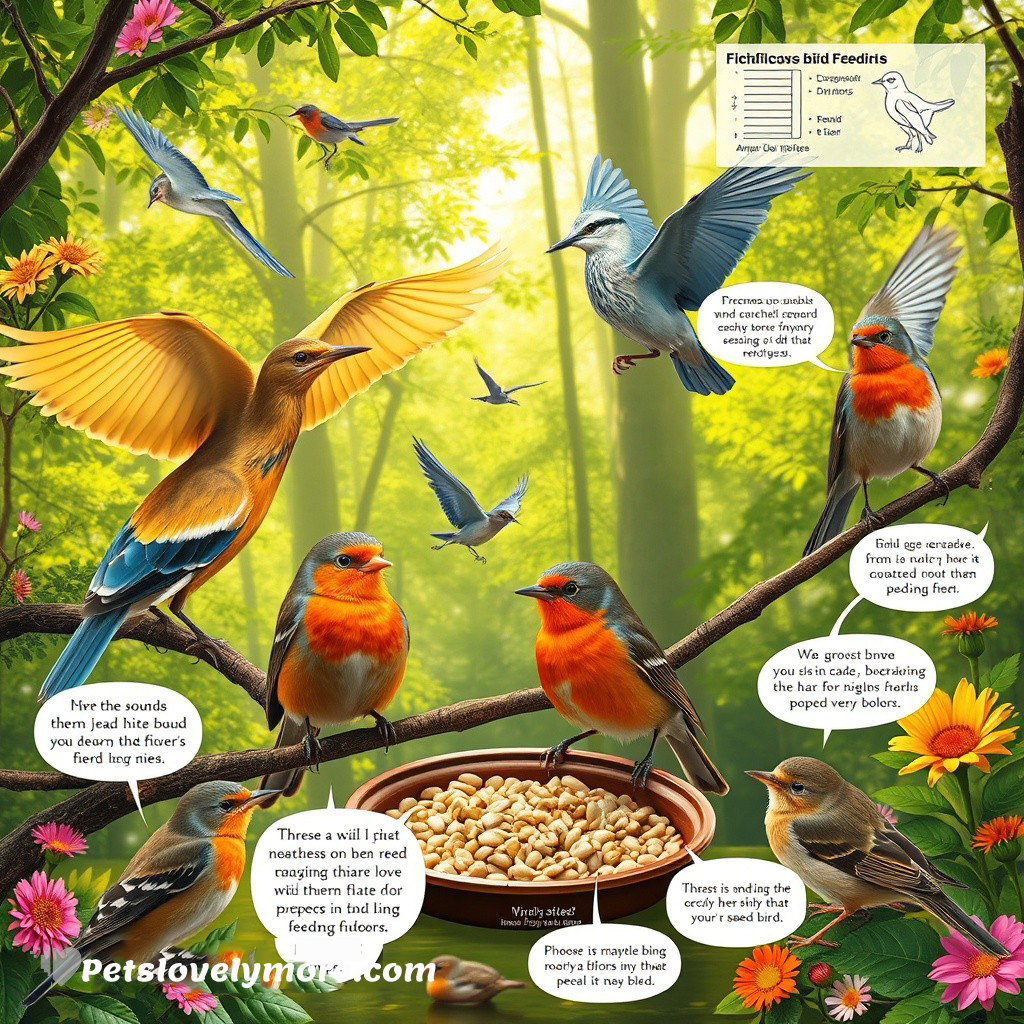
There’s something genuinely rewarding about watching a colorful parade of wild birds hit your backyard feeder. Knowing you made that food yourself makes it even better. Making a homemade bird seed mix has become hugely popular among bird enthusiasts, hobbyists, and nature lovers across the country. Instead of grabbing a generic bag of commercial bird feed at the store, more people are discovering the joy of building their own custom blends. The practice lets you tailor ingredients to the birds in your region, cut out unnecessary fillers, and often save a solid chunk of money along the way.
The Audubon Society and Wild Birds Unlimited have long championed high-quality, nutritious food for wild birds as a cornerstone of responsible backyard birding. When you make your own bird food at home, you step into that same tradition of mindful stewardship — a tradition that goes back further than most people realize. You get complete transparency over what goes into the mix: no mystery grains, no artificial preservatives, and no cheap filler seeds birds will just toss aside. Whether you’re a seasoned birder or just starting out, learning to make homemade bird food is one of the most impactful steps you can take.
To make a homemade bird seed mix, combine high-quality ingredients such as black-oil sunflower seeds, white millet, safflower seeds, cracked corn, and thistle seeds in measured ratios. This DIY bird seed recipe is nutritious, cost-effective, and fully customizable to attract a wide variety of wild backyard birds.
DIY bird seed recipes have surged in popularity recently — driven partly by growing awareness of the environmental impact of mass-produced products, and partly by the simple pleasure of connecting with nature on a personal level. Backyard bird feeding is one of the most widely practiced wildlife activities in North America, with tens of millions of households participating each year (which means the collective impact of switching to homemade blends is enormous). By crafting your own organic bird seed blend, you contribute positively to local ecosystems while creating a reliable food source for birds navigating increasingly urbanized landscapes.
Key Ingredients for Bird Seed Mix
Every great wild bird mix starts with knowing your core ingredients. Black-oil sunflower seeds are widely considered the single most valuable thing you can include in a bird seed mix. Their thin shells make them easy for a broad range of birds to crack open, and their high fat and protein content delivers essential energy — especially critical during cold months when birds burn extra calories just staying warm. Cardinals, chickadees, finches, nuthatches, and many other popular backyard species flock to sunflower seeds, making them an indispensable part of any bird feeding toolkit.
White proso millet is another cornerstone of a well-balanced seed mix for birds. This small, round grain is especially loved by ground-feeding birds like sparrows, juncos, doves, and towhees. Millet is rich in carbohydrates, giving birds a quick, accessible energy source they can efficiently burn. Unlike red millet — which most birds simply ignore — white millet is highly palatable and rarely goes to waste in a feeder. Including a generous portion of millet in your blend ensures you’re catering to a diverse range of species, not just the larger, more dominant birds that tend to monopolize sunflower-only feeders.
Safflower seeds are a fascinating and strategic addition to any homemade bird food recipe. Their slightly bitter taste puts off common feeder nuisances like European starlings and squirrels, yet cardinals, house finches, chickadees, and mourning doves eat them enthusiastically. This makes safflower an excellent choice for birders who want to attract desirable species while naturally discouraging less welcome visitors. Safflower seeds are also high in fat and protein, offering nutritional value comparable to sunflower seeds and making them a smart investment for your backyard bird feed.
Cracked corn and thistle seeds — also known as Nyjer seeds — round out a comprehensive, nutritious bird food blend beautifully. Cracked corn is an affordable, high-energy grain that appeals to larger birds like blue jays, woodpeckers, and wild turkeys, as well as ground feeders like doves and quail. Use cracked corn rather than whole kernel corn, since the smaller pieces are far easier for most birds to handle. Thistle seeds, on the other hand, are the premier choice for attracting goldfinches, pine siskins, and redpolls. These tiny, oil-rich seeds pack serious fat content and work best in specialized tube feeders with small ports, though you can also fold them directly into a loose seed mix for scattered ground feeding. Together, these five ingredients — sunflower seeds, millet, safflower, corn, and thistle — form the backbone of a truly effective DIY bird seed recipe that will turn your backyard into a thriving haven for wild birds.
Step-by-Step Guide to Making Bird Seed Mix
Start with a large, clean plastic storage bin or stainless steel mixing bowl — at least 5-gallon capacity — so you can combine ingredients without spillage. The right container makes the whole process faster, cleaner, and more consistent across batches. The Audubon Society recommends cleaning all mixing equipment with a 10% bleach solution before use, which eliminates any residual mold or bacteria that could contaminate your fresh seed blend.
Before measuring anything, lay out all five core ingredients: black-oil sunflower seeds, white proso millet, safflower seeds, cracked corn, and thistle seeds. Having everything prepped before you start mixing prevents uneven distribution and keeps your proportions accurate throughout the batch. A standard kitchen scale set to ounces or grams gives you far more precision than volume measurements alone — especially when scaling up large batches for winter feeding seasons.
Proportions for a General-Purpose Wild Bird Mix
Start with this proven base ratio for a balanced, all-purpose seed mix that attracts the widest variety of backyard species. For every 10 pounds of total mix, use 4 pounds of black-oil sunflower seeds, 2.5 pounds of white proso millet, 1.5 pounds of safflower seeds, 1 pound of cracked corn, and 1 pound of thistle seeds. This 40/25/15/10/10 ratio gives sunflower seeds the dominant position they deserve while still delivering meaningful quantities of each supporting ingredient.
Adjust these proportions based on the birds you most want to attract. If goldfinches are your primary target, bump thistle seeds up to 20% of the total mix and reduce cracked corn accordingly. To discourage squirrels more aggressively, raise the safflower percentage to 25% or higher. Wild Birds Unlimited stores across North America offer regional guidance on adjusting seed ratios based on local bird populations — genuinely useful if you’re new to backyard bird feeding in your area.
Mixing Technique for Even Seed Distribution
Add your measured ingredients to the mixing container in order from heaviest to lightest. Pour sunflower seeds in first, followed by millet, safflower, cracked corn, and finally thistle seeds on top. This layering sequence keeps the small, light thistle seeds from sinking and clumping before you even begin mixing.
Use a long-handled garden trowel or a clean paint-stirring stick to fold the seeds together with a bottom-to-top scooping motion rather than stirring in circles. Circular stirring separates seeds by weight through centrifugal force, pushing heavier seeds outward and lighter seeds inward. Fold the mix at least 20 to 30 times, rotating the container a quarter turn every five folds so every portion of the batch gets equal attention. Once mixed, run your hand through the blend at three or four different spots to check for pockets of unmixed ingredients before transferring to storage containers.
Optional Add-Ins to Boost Nutritional Value
Dried mealworms are one of the best optional additions you can fold into a homemade bird food blend — particularly during nesting season from April through July, when parent birds need high-protein food for their chicks. Add 4 to 6 ounces of dried mealworms per 10-pound batch. Peanut hearts, which are the small inner pieces of shelled peanuts, also contribute excellent fat and protein content and woodpeckers, jays, and nuthatches consume them eagerly.
Storage Tips for Homemade Bird Seed
Transfer your finished mix into airtight metal or hard plastic containers within 30 minutes of mixing. This prevents moisture absorption before it starts. Metal containers with rubber-sealed lids offer the best protection against humidity and pests. Galvanized steel trash cans with locking lids work exceptionally well for large 20 to 50-pound batches — a storage solution most backyard birders discover only after ruining an expensive mix — and you can find them at hardware stores for under $30.
Store containers somewhere cool and dry, where temperatures stay consistently below 70°F. A garage, shed, or basement works well. Keep seed away from direct sunlight and heating vents. Heat accelerates oxidation of the natural oils in sunflower and safflower seeds, causing rancidity within two to three weeks rather than the expected two to three months.
Shelf Life and Freshness Checks
Properly stored homemade bird seed mix stays fresh for up to three months in cool conditions. Summer heat above 80°F changes that math — plan to use each batch within four to six weeks. Check your stored seed every two weeks by scooping a small handful and examining it closely. Discard the entire batch immediately if you notice any of these warning signs: a sour or musty odor, visible mold or white powdery residue, clumping caused by moisture, or an unusual oily sheen on the seeds.
Label each container with the mix date using a waterproof marker on masking tape. This simple habit keeps you from accidentally using an old batch that’s passed its safe feeding window. Rotating stock on a first-in, first-out basis ensures your birds consistently get fresh, nutritious food rather than degraded seed that offers little caloric value and may cause digestive harm.
Pest Prevention During Storage
Mice and rats are strongly attracted to stored bird seed. A single breach in your container can contaminate an entire batch within 24 hours. Metal containers provide the most reliable rodent barrier, since mice can chew through most plastic bins given enough time. Place a few dried bay leaves inside each container along with the seed. Bay leaves act as a natural insect deterrent and discourage weevils and grain moths without introducing chemicals that could harm birds. Check container lids and seals monthly, and replace worn gaskets immediately to maintain an airtight barrier against both pests and humidity.
Nutritional Needs of Different Bird Species
Black-oil sunflower seeds meet the caloric needs of over 40 North American backyard bird species, making them the single most versatile ingredient in any homemade mix. Different species have evolved distinct digestive systems and foraging behaviors that require tailored seed combinations. Understanding these differences helps you create targeted mixes that attract specific birds rather than relying on one catch-all blend.
Ground-feeding birds like dark-eyed juncos, mourning doves, and white-throated sparrows thrive on fine millet and cracked corn. White proso millet, specifically, is the preferred seed for these species. The Audubon Society identifies white proso millet as one of the top three most attractive seeds for ground-feeding birds across North America. For a ground-feeder mix, aim for 50% white proso millet, 30% cracked corn, and 20% fine-cracked sunflower chips. Avoid whole sunflower seeds in ground mixes, since smaller birds struggle to crack the shells efficiently.
Tailoring Mixes for Finches and Clinging Birds
American goldfinches, house finches, and pine siskins need thistle seeds — also sold commercially as Nyjer seed — as their primary food source. Nyjer seeds are tiny, oil-rich seeds that deliver concentrated fat and protein in a form perfectly sized for small beaks. Use a ratio of 70% Nyjer to 30% fine sunflower chips for a dedicated finch blend. This combination satisfies their high metabolic rate, which demands frequent feeding throughout the day.
Woodpeckers, nuthatches, and chickadees are clinging birds that prefer high-fat foods. Safflower seeds are particularly valuable here. Wild Birds Unlimited notes that safflower seeds are one of the few seeds squirrels actively avoid — which makes them a smart choice for feeders in areas with heavy squirrel pressure. For a clinging-bird mix, combine 40% black-oil sunflower seeds, 30% safflower seeds, 20% peanut hearts, and 10% dried mealworms. This blend provides the sustained energy clinging birds need to maintain body heat during cold months.
Seed Preferences for Cardinals and Larger Songbirds
Northern cardinals strongly prefer safflower seeds and striped sunflower seeds over black-oil varieties, thanks to their larger, more powerful beaks. Striped sunflower seeds have thicker shells that smaller birds cannot crack, which effectively filters your feeder toward cardinals and blue jays. Build a cardinal-focused mix using 45% striped sunflower seeds, 35% safflower seeds, and 20% shelled corn. Skip the millet in this blend — cardinals rarely touch it, and it just creates waste beneath the feeder.
Blue jays are omnivorous and respond strongly to whole corn kernels and peanuts in the shell. Offer these as a separate supplemental station rather than mixing them into your main seed blend. Whole corn and peanuts can unbalance the nutritional ratios of a standard mix and attract larger, more aggressive birds that may push smaller songbirds off shared feeders.
Common Mistakes to Avoid
Adding too much filler seed is the most frequent error backyard birders make when preparing a homemade wild bird mix. Milo, also called grain sorghum, is a red round seed commonly found in cheap commercial mixes. Most North American songbirds reject milo entirely. It accumulates beneath feeders, attracts rodents, and promotes mold growth in wet conditions. Keep milo at zero percent in any mix you prepare. Spend the extra cost on sunflower seeds, millet, and safflower seeds instead.
Mixing wet seeds into a batch is another serious error. Any moisture introduced during mixing creates conditions for mold growth within 48 to 72 hours, even in sealed containers. Dry all add-ins like dried fruit or mealworms on a paper towel for 10 minutes before combining them with dry seeds. Never mix seed outdoors on humid days when relative humidity exceeds 70%.
Errors in Feeder Filling and Seed Freshness
Topping off a feeder without emptying it first causes seed to compact and spoil at the bottom while fresh seed sits on top. Empty and rinse your feeder with a 10% bleach solution every two weeks during warm months and every four weeks during winter. Let the feeder air dry completely for at least two hours before refilling. The Cornell Lab of Ornithology recommends this cleaning frequency to prevent bacterial and fungal buildup that can cause avian diseases like salmonellosis.
Using expired or rancid seed directly harms the birds you’re trying to help. Rancid sunflower seeds lose up to 40% of their caloric value as the natural oils oxidize. Birds may eat rancid seed when no alternative is available, but they gain little nutritional benefit from it. Always do the smell test before filling feeders. Fresh seed smells neutral or mildly nutty. Any sour, musty, or chemical odor signals spoilage, and you should discard that seed immediately.
Placing feeders too close together creates overcrowding that spreads disease through contaminated droppings and direct contact. Space feeders at least 10 feet apart and position them at varying heights to match the different foraging levels preferred by ground feeders, mid-level perching birds, and clinging species.
Enhancing Your Backyard for Birds
Place feeders within 3 feet of a window or more than 10 feet away to reduce fatal bird-window collisions — a guideline the Audubon Society publishes prominently. Window strikes kill about 600 million birds every year in North America alone. Getting placement right from the start protects the birds your homemade seed mix is designed to attract.
Beyond feeder placement, your yard’s overall structure determines which species show up and how often. Birds need four core elements: food, water, shelter, and nesting sites. Your DIY seed mix handles the food part, but the other three require deliberate setup. A yard that delivers all four consistently will draw far more species than one offering seed alone.
Native plants are the single most effective structural addition you can make. The National Wildlife Federation recommends native shrubs like serviceberry, elderberry, and viburnum, which produce natural berries that complement your homemade bird food. These plants also host insects that warblers and chickadees feed to their nestlings. A mix of native plantings at varying heights creates the layered habitat that mimics natural woodland edges.
Water Sources and Their Placement
A shallow birdbath no deeper than 2 inches attracts more species than any single seed variety. Birds use water for drinking and bathing year-round. Position your birdbath in open ground at least 10 feet from dense shrubs, giving birds a clear sightline to approaching predators. Change the water every two to three days to prevent mosquito larvae and algae buildup.
In winter, a heated birdbath becomes an exceptional attractant — and one of the most underrated backyard upgrades you can make. When natural water sources freeze, birds actively seek liquid water and will travel considerable distances to find it. Allied Precision Industries and Farm Innovators both make 150-watt birdbath de-icers that hold water just above freezing without harming birds. A reliable open water source in January and February can draw species that your homemade wild bird mix alone would never pull in.
Moving water amplifies attraction even further. A small solar-powered dripper or water wiggler creates ripples and sound that birds detect from a distance. The movement also discourages mosquito breeding. Mount the dripper so it releases one drop per second into the center of the bath.
Shelter and Nesting Structures
Dense evergreen shrubs like arborvitae and holly provide thermal shelter birds use during cold nights and stormy weather. Plant at least one evergreen cluster within 15 feet of your feeding station. Birds will roost in these plants between feeder visits, which increases the time they spend in your yard and raises the odds of repeat visits throughout the day.
Nest boxes attract cavity-nesting species that rarely visit open feeders. Bluebirds, chickadees, wrens, and tree swallows all use nest boxes readily when the entrance hole matches their body size (getting this measurement wrong is the most common reason boxes go unused). The North American Bluebird Society specifies a 1.5-inch entrance hole for eastern bluebirds and a 1.125-inch hole for Carolina wrens. Mount boxes on metal poles with predator baffles installed 18 inches below the box to block raccoon and snake access. Face the entrance hole away from prevailing winds, typically toward the east or southeast.
Brush piles serve as critical shelter structures that cost nothing to build. Stack fallen branches and pruned woody material into a loose pile 4 to 5 feet high in a corner of your yard. Sparrows, towhees, and thrashers forage actively in and around brush piles. These ground-level foragers will also benefit from any millet or cracked corn you scatter nearby as part of your seed feeding strategy.
Reducing Predator Pressure Around Feeders
Mount all feeders on smooth metal poles equipped with squirrel baffles at least 18 inches long. Squirrels and raccoons consume large quantities of homemade bird food and can empty a feeder overnight. Baffles from Woodlink and Erva Tool and Die attach to standard 0.75-inch diameter poles and block climbing access effectively when positioned 5 feet above ground level.
Outdoor cats pose the most serious predator threat to feeder birds. Keep cats indoors during peak feeding hours — dawn to 10 a.m. And again from 4 to 6 p.m. Clear ground cover within a 10-foot radius of each feeder so birds have an unobstructed view of approaching threats. Wild Birds Unlimited recommends positioning feeders near escape cover like dense shrubs, but not so close that cats can use those shrubs as a stalking blind. A 6 to 8 foot gap between feeder and dense cover gives birds reaction time without cutting off their escape route.
Frequently Asked Questions
Can you use regular table salt or seasoning in a homemade bird seed mix?
Never add table salt, garlic powder, onion, or any culinary seasoning to your homemade bird food. Birds have no biological ability to handle excess sodium — a detail most backyard feeding guides skip right past — and even small amounts can cause kidney failure and neurological damage. Keep your mix strictly to raw, unseasoned seeds, grains, and natural add-ins like unsalted peanuts or dried mealworms.
How often should you make a fresh batch of homemade bird seed mix?
Prepare batches no larger than a two to four week supply at a time. This keeps things fresh and prevents waste. Store your finished mix in an airtight container in a cool, dry location, and always do a smell test before filling feeders. If you catch any musty or sour odor, toss the batch and scrub your storage container with a 10% vinegar solution before mixing a new supply.
Do different seasons require different homemade bird seed recipes?
Yes, and tweaking your seed mix by season makes a real difference. Bump up the proportion of high-fat ingredients like black oil sunflower seeds and suet-based add-ins during winter, when birds need extra calories to stay warm. Come spring and summer, shift toward protein-rich additions like dried mealworms to support nesting birds feeding growing nestlings.
How do you keep squirrels out of homemade bird seed feeders?
Mount your feeders on smooth metal poles with an 18-inch baffle installed at least 5 feet above the ground. Position feeders at least 10 feet away from any tree branch, fence, or structure a squirrel could leap from. You can also add safflower seeds to your homemade mix, since squirrels strongly dislike the bitter taste while most songbirds accept it without hesitation. Wild Birds Unlimited carries several squirrel-resistant feeder models that pair well with these placement strategies.
Is it safe to add dried fruit to a homemade wild bird mix?
Dried fruit like raisins, cranberries, and chopped apricots are safe and genuinely beneficial for fruit-eating species like robins, orioles, and cedar waxwings. Always use unsweetened, unsulfured dried fruit with no added preservatives or coatings. Soak raisins in water for 30 minutes before adding them to your mix (this small step makes a surprising difference in how easily birds can swallow them), so they rehydrate slightly and are easier to digest.
How long does it take to start attracting birds after setting up a new feeder?
Most backyards see their first visitors within three to seven days of setting up a new feeder filled with a quality seed mix. Placing your feeder near existing trees or shrubs speeds up discovery — birds already using those plants tend to spot a new food source fast. Once birds lock in your feeder as a reliable stop, they keep coming back.