Key Takeaways
- A warm nose alone is not a reliable indicator of illness in dogs — it is just one small piece of the health puzzle.
- Dog nose temperature fluctuates naturally throughout the day based on activity, sleep, environment, and hydration.
- Fever in dogs is best detected with a rectal thermometer, not by touching the nose.
- Concerning signs appear when a warm or dry nose is accompanied by lethargy, vomiting, loss of appetite, or nasal discharge.
- Regular at-home health monitoring combined with routine veterinary check-ups is the gold standard of proactive dog care.
- Many dog health myths — including the cold-nose-equals-healthy rule — have been debunked by veterinary professionals.
Introduction to Dog Nose Temperature: What It Really Tells You
Ask almost any dog owner what a warm nose means, and they’ll tell you the same thing: “My dog must be sick.” It’s one of the most deeply ingrained beliefs in pet care culture. You touch your dog’s nose, it feels warm, and suddenly you’re scanning symptom lists at midnight.
The reality is far more nuanced. A dog’s nose temperature is influenced by dozens of everyday factors — none of which necessarily point to illness. Understanding what’s actually going on requires stepping back from the myth and looking at the whole picture of your dog’s health and behavior.
This article breaks down everything you need to know about dog nose temperature, from what causes warmth to when you genuinely need to call your vet. No panic, just practical knowledge.
Normal Variations in Dog Nose Temperature
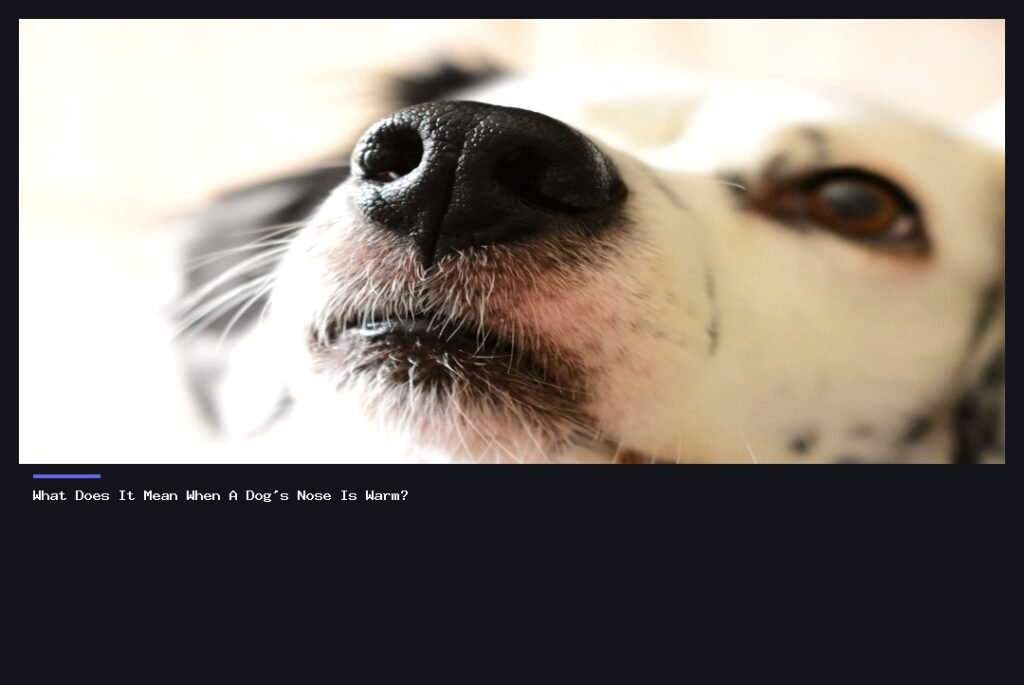
Here’s something many pet owners don’t realize: a dog’s nose can shift between warm, cool, wet, and dry multiple times within a single day — and all of it can be completely normal. According to veterinary professionals, there is no single “correct” nose temperature that defines a healthy dog.
Several everyday factors influence nasal temperature. After a nap, a dog’s nose often feels warm and dry because they haven’t been licking it. Physical activity raises body temperature temporarily, which can warm the nose. Cold weather can make the nose feel unusually cool. Even dehydration from a long play session can cause temporary dryness and warmth.
Many pet owners report noticing their dog’s nose is warm right after waking up from a long sleep. This is one of the most common and benign causes. The dog simply hasn’t been licking their nose, which is the primary way dogs keep it moist and cool.
| Situation | Expected Nose Condition | Is It a Concern? |
|---|---|---|
| After sleeping or napping | Warm and slightly dry | No — completely normal |
| After vigorous exercise | Warm, possibly moist | No — temporary elevation |
| Hot weather or sun exposure | Warm and dry | Monitor for overheating signs |
| Mild dehydration | Dry and slightly warm | Ensure water access; monitor |
| Cold environment | Cool and moist | No — environmental response |
| Resting indoors in warmth | Slightly warm | No — ambient temperature effect |
The bottom line is that nose temperature in dogs is dynamic, not static. Treating it as the sole health indicator is like judging your own health only by how warm your forehead feels. It’s a data point — not a diagnosis.
What a Warm Nose Can Indicate
A warm nose can mean many things, and most of them are entirely harmless. The challenge for dog owners is learning to distinguish between the benign causes and the ones that deserve closer attention. Context is everything here.
On the benign side, environmental warmth, recent sleep, sun exposure, and normal activity are the most common culprits. Dogs who spend time near a fireplace or heating vent will often have a noticeably warmer nose. Puppies and senior dogs may also show more temperature variation simply due to their less regulated metabolisms.
On the more concerning side, a warm nose combined with other symptoms could suggest a fever, infection, or underlying illness. A dog’s normal body temperature ranges between 101°F and 102.5°F (38.3°C to 39.2°C). Anything above 103°F (39.4°C) is considered elevated, and above 104°F (40°C) requires immediate veterinary attention. But again — you cannot determine this by touching the nose alone.
Some dogs also experience warm, dry noses as a result of skin conditions like nasal hyperkeratosis — a condition where the nose becomes thickened, dry, and crusty. This is more common in certain breeds and older dogs. It doesn’t always indicate illness, but it does warrant a conversation with your vet.
Misconceptions About Dog Nose Temperature
The idea that a cold, wet nose equals a healthy dog is one of the most persistent myths in pet care. Many people grew up hearing it from parents or neighbors, and it has been repeated so often that it feels like medical fact. It isn’t.
The American Kennel Club has addressed this directly, noting that nose temperature and moisture are not reliable health indicators on their own. A dog can have a perfectly cold, wet nose and still be seriously ill. Conversely, a warm, dry nose can appear on a completely healthy dog who just woke up from a nap.
| Common Myth | The Reality | What Experts Say |
|---|---|---|
| Cold, wet nose = healthy dog | Nose moisture varies with licking and environment | Not a reliable health indicator |
| Warm nose = fever | Fever must be measured rectally | Nose temperature doesn’t reflect core body temp accurately |
| Dry nose = dehydration | Dryness often results from sleep or environment | Check gum color and skin turgor for hydration |
| A runny nose means illness | Clear discharge can be normal; colored discharge is concerning | Color and consistency matter more than presence of discharge |
| Nose color changes mean sickness | Seasonal depigmentation (snow nose) is common and benign | Usually harmless; consult vet if sudden or dramatic |
Another widespread misconception is that dogs’ noses are dry because they’re dehydrated. While severe dehydration can contribute to a dry nose, the more accurate way to assess hydration in dogs is by checking the gums. Healthy, hydrated gums should be pink and moist. You can also gently pinch the skin at the back of the neck — if it snaps back quickly, hydration is likely fine.
What most guides miss is how strongly these myths affect owner behavior. Many people either panic unnecessarily over a warm nose or, worse, dismiss real symptoms because their dog’s nose feels cold. Both extremes can lead to poor decisions. Learning to look at the whole dog — energy levels, appetite, behavior, and physical signs — is far more useful than focusing on nose temperature alone.
When to Seek Veterinary Advice
So when does a warm nose actually warrant a call to the vet? The answer lies in what else is happening with your dog. A warm nose on its own? Probably nothing. A warm nose alongside a cluster of other symptoms? Time to pick up the phone.
Watch for these accompanying signs that suggest something more serious may be going on. Lethargy that seems unusual for your dog, a sudden loss of appetite, vomiting or diarrhea, excessive panting without physical exertion, and nasal discharge that is yellow, green, or bloody — these are all red flags. Combined with a warm nose, they paint a picture that deserves professional evaluation.
| Symptom | Urgency Level | Recommended Action |
|---|---|---|
| Warm nose only, dog acting normal | Low | Monitor; no immediate action needed |
| Warm nose + lethargy | Moderate | Take temperature; call vet if over 103°F |
| Warm nose + vomiting/diarrhea | Moderate-High | Contact vet within 24 hours |
| Warm nose + loss of appetite (24+ hrs) | Moderate-High | Schedule vet visit promptly |
| Warm nose + colored nasal discharge | High | Vet visit same day if possible |
| Warm nose + temp above 104°F (40°C) | Emergency | Seek emergency veterinary care immediately |
A common experience among dog owners is second-guessing themselves — wondering if they’re overreacting or underreacting. A good rule of thumb is this: if your dog’s behavior has changed noticeably and the warm nose has persisted for more than 24 hours, err on the side of caution and contact your vet. Veterinary clinics would always rather hear from a cautious owner than miss an early-stage illness.
It’s also worth remembering that certain breeds are more predisposed to respiratory and nasal conditions. Brachycephalic breeds like Bulldogs, Pugs, and Boston Terriers are more likely to experience nasal issues that affect nose appearance and temperature. If you have one of these breeds, it’s worth discussing baseline nasal health with your vet proactively.
How to Monitor Your Dog’s Health
Effective dog health monitoring doesn’t require medical training. It requires consistency and attention. The goal is to know what’s normal for your specific dog so that deviations stand out clearly. Every dog has a unique baseline, and you are the best person to establish it.
Start with the basics. Check your dog’s gums regularly — they should be pink and moist. Pale, white, blue, or tacky gums can indicate serious problems. Monitor your dog’s weight monthly using a home scale or your vet’s scale. Sudden weight loss or gain deserves attention. Watch their coat condition too — a dull, flaky, or patchy coat can signal nutritional deficiencies or skin conditions.
In practice, this means building a quick daily check into your routine. It doesn’t need to take more than two minutes. When you’re petting your dog, run your hands along their body feeling for lumps, tender spots, or changes in muscle mass. Check their eyes for cloudiness or discharge. Listen for unusual coughing or wheezing. These small observations compound over time into a rich picture of your dog’s health.
For more structured guidance, resources from organizations like the American Veterinary Medical Association (AVMA) offer excellent owner-friendly health checklists. Reputable pet wellness brands also offer products designed to support at-home monitoring, from dental hygiene kits to coat health supplements.
Hydration monitoring is particularly important during warm months. Dogs who are active outdoors can become dehydrated faster than owners realize. Always ensure fresh water is available, and learn the signs of dehydration: sunken eyes, dry gums, lethargy, and reduced skin elasticity. A warm, dry nose in this context is one piece of a larger picture worth addressing.
Importance of Regular Veterinary Check-Ups
There’s a reason veterinary professionals recommend annual wellness exams for healthy adult dogs and bi-annual exams for seniors or dogs with chronic conditions. Many illnesses in dogs — from dental disease to early organ dysfunction — develop silently. By the time symptoms appear at home, the condition may already be well advanced.
Regular check-ups give your vet the opportunity to catch these issues early. Blood panels, urinalysis, and physical examinations can reveal subtle changes that no amount of nose-touching at home would detect. Based on veterinary research, early detection of conditions like kidney disease, diabetes, and hypothyroidism dramatically improves treatment outcomes and quality of life for dogs.
Think of a vet visit not as something you do when your dog is sick, but as a proactive investment in their long-term wellness. During a routine visit, your vet will also update vaccinations, perform parasite screenings, and assess dental health — all of which directly affect overall dog health and longevity. The American Animal Hospital Association (AAHA) publishes detailed guidelines on preventive care schedules that are worth reviewing with your vet.
Many owners also benefit from establishing a relationship with a single veterinary practice over time. A vet who knows your dog’s history can spot subtle deviations from their personal baseline far more quickly than a new provider seeing them for the first time. Continuity of care is genuinely valuable in veterinary medicine, just as it is in human healthcare.
If cost is a concern, pet wellness plans offered through many veterinary clinics and platforms like Chewy can make routine care more financially accessible. These plans typically bundle annual exams, vaccinations, and basic diagnostics at a reduced overall cost compared to paying for each service individually.
Frequently Asked Questions
Is a warm nose a sign of illness in dogs?
Not necessarily. A warm nose on its own is rarely a reliable sign of illness. It can result from sleeping, warm weather, sun exposure, or simple environmental factors. A warm nose becomes potentially concerning only when accompanied by other symptoms such as lethargy, vomiting, loss of appetite, or behavioral changes. Always evaluate the whole dog, not just the nose.
What does a cold nose mean in dogs?
A cold, moist nose typically means your dog has been licking it recently or is in a cooler environment — both completely normal. However, a cold nose does not guarantee that your dog is healthy. Serious illnesses can exist in dogs with perfectly cold, wet noses. Cold nose temperature alone is not a dependable health indicator in either direction.
How can you tell if a dog has a fever?
The only accurate way to check for fever in a dog is with a rectal thermometer. A normal dog body temperature ranges from 101°F to 102.5°F (38.3°C to 39.2°C). A temperature above 103°F (39.4°C) is elevated and warrants veterinary attention. Temperatures above 104°F (40°C) are a medical emergency. Touching the nose or forehead is not a reliable method for detecting fever.
Why do dogs’ noses get dry?
Dogs keep their noses moist primarily through licking. When they sleep, they stop licking, so the nose naturally dries out. Environmental factors like indoor heating, sun exposure, and wind can also cause dryness. Persistent, cracked, or crusty dryness — especially with changes in texture or color — can sometimes indicate conditions like nasal hyperkeratosis or autoimmune disorders, which a vet should evaluate.
What are common signs of illness in dogs?
Common signs of illness in dogs include lethargy or unusual tiredness, changes in appetite or water intake, vomiting, diarrhea, coughing, sneezing, nasal or eye discharge, difficulty breathing, weight changes, and behavioral shifts. Pale or discolored gums are also a serious warning sign. If you notice multiple symptoms together — even mild ones — it’s always better to consult your veterinarian sooner rather than later.
How often should I check my dog’s health at home?
A brief daily observation is ideal — noting energy levels, appetite, gum color, coat condition, and any physical changes. A more thorough at-home check, including feeling for lumps and checking eyes and ears, can be done weekly. This should complement, not replace, annual or bi-annual professional veterinary exams. Consistent observation builds the baseline knowledge that makes spotting real problems much easier.
Conclusion
A warm dog nose is one of those things that looks alarming on the surface but is usually nothing to worry about. The key takeaway is simple: context matters far more than nose temperature. Is your dog eating well? Playing with their usual energy? Acting like themselves? If yes, a warm nose is almost certainly just a warm nose.
What you want to watch for is change. A dog who suddenly seems tired, stops eating, or develops unusual discharge alongside a warm nose deserves a closer look. Trust your instincts as an owner — you know your dog better than anyone. And when in doubt, a quick call to your vet is always the right move.
Building good habits around pet wellness monitoring, understanding dog health myths, and committing to regular veterinary care will serve your dog far better than any nose-checking routine. Your dog’s health is a big picture. Make sure you’re looking at all of it.
For more reliable information on canine health, the American Kennel Club’s health resources are an excellent starting point for dog owners at any experience level.