Key Takeaways
- Including your dog in Christmas celebrations strengthens your bond and enriches their emotional well-being during the holiday season.
- Dog-friendly decorations and a carefully arranged festive environment keep your canine safe while creating a magical holiday atmosphere.
- Thoughtful dog Christmas gifts from trusted retailers like Petco and Chewy, including KONG toys and Blue Buffalo treats, make for truly memorable presents.
- Custom dog stockings, holiday pet outfits, and canine Christmas activities are simple yet powerful ways to include your pup in family traditions.
- Seasonal pet wellness, winter pet care, and guidance from the ASPCA ensure your dog stays healthy and happy throughout the festive period.
- Planning ahead for holiday pet travel, pet-safe recipes, and Christmas dog grooming transforms the entire season into a joyful experience for your four-legged family member.
Christmas is the most wonderful time of the year — and that magic should absolutely extend to every member of your family, including the furry ones. Whether your dog is a bouncy golden retriever tearing through the living room or a calm senior pup who loves nothing more than a cozy lap nap by the fireplace, the holiday season is a golden opportunity to show them just how loved they are. From dog-friendly decorations and thoughtfully chosen dog Christmas gifts to canine Christmas activities and seasonal pet wellness routines, there are countless ways to make this December one your dog will feel in every wagging tail and happy bark.
Making your dog’s Christmas unforgettable involves creating a safe festive environment, choosing enriching gifts, and including your pup in holiday traditions. Simple steps like dog-friendly decorations, KONG toys, Blue Buffalo treats, and canine Christmas activities can dramatically boost your dog’s happiness and deepen your bond during the holiday season.
Crafting the Perfect Holiday Experience for Your Dog
Dogs are deeply intuitive creatures. They pick up on the energy in your home, and during Christmas, that energy is electric — filled with laughter, visitors, delicious aromas, and the rustling of wrapping paper. Far from being passive bystanders, dogs can and should be active participants in your holiday celebrations. When you take deliberate steps to include your canine companion in the festivities, you’re not simply indulging a pet. You’re reinforcing the emotional bond between you, reducing your dog’s anxiety around unfamiliar holiday stimuli, and creating shared memories that enrich your entire family’s experience of the season.
Animal behavior research consistently shows that dogs thrive on routine, engagement, and positive reinforcement — all of which the holiday season can provide in abundance when properly channeled. A dog who is included in Christmas traditions is less likely to exhibit stress behaviors such as excessive barking, destructive chewing, or withdrawal. Instead, they become a joyful centerpiece of your celebrations. Think of it this way: your dog already gives you unconditional love every single day of the year. Christmas is simply your chance to give a little of that magic back. From custom dog stockings hanging by the chimney to specially planned canine Christmas activities, the investment of thought and care pays dividends in tail wags, sloppy kisses, and the kind of wholehearted joy that only a truly happy dog can deliver.
Creating a Festive Atmosphere at Home
Transforming your home into a winter wonderland is one of the great pleasures of the Christmas season. You should approach your decorating with your dog’s safety and comfort firmly in mind, though — because many traditional holiday decorations pose genuine risks to curious canines. Tinsel is dangerously attractive to dogs who may eat it, causing serious intestinal blockages. Glass ornaments can shatter underfoot, and certain festive plants — including poinsettias, holly, and mistletoe — are toxic to dogs according to the ASPCA. With a little creativity, you can build a breathtakingly festive home that is every bit as beautiful and entirely dog-friendly.
Anchor your Christmas tree securely to prevent it from toppling when your dog inevitably investigates it with enthusiasm. Use shatterproof ornaments on the lower branches, and skip the tinsel altogether in favor of fabric ribbon or wooden decorations. Place dog-friendly decorations at nose level — think soft plush snowflakes, wooden holiday signs, or a personalized dog stocking bearing your pup’s name — so they feel genuinely woven into the festive tapestry of your home. Retailers like Petco offer a great range of holiday pet décor designed with canine safety in mind. Battery-operated candles eliminate the open-flame hazard, while cozy pet beds positioned near the tree give your dog their own special holiday nook. The result is a warm, inclusive atmosphere where both you and your dog can relax and revel in the season together.
Gifting Ideas for Your Canine Companion
No Christmas morning is complete without gifts — and your dog deserves a thoughtful pile of presents just as much as anyone else under the tree. Choosing the right dog Christmas gifts comes down to knowing your individual dog: their personality, size, age, and play style. A high-energy border collie will go wild for a puzzle toy or an interactive KONG product that challenges their brilliant mind. A gentle older Labrador might prefer a luxuriously padded orthopedic bed or a soft, squeaky plush toy to carry around proudly. Chewy and Petco both stock extensive holiday gift collections, making it easy to find something perfectly suited to your pup — from durable chew toys to stylish holiday pet outfits.
Beyond toys, think about gifts that support your dog’s long-term health and happiness. Blue Buffalo offers premium treats and seasonal flavors that make for indulgent yet nutritious stocking stuffers. A custom dog stocking filled with Blue Buffalo holiday biscuits, a new KONG toy, a cozy bandana, and a winter grooming kit covers every base — fun, comfort, health, and style. You might also explore subscription boxes through Chewy, which deliver curated dog toys and treats monthly. Whatever you choose, letting your dog tear into the wrapping paper themselves never fails to generate pure, unbridled Christmas joy for the whole family.
Preparing Special Holiday Treats
Three ingredients are all you need for one of the most popular dog-safe holiday recipes: plain pumpkin puree, peanut butter, and whole wheat flour. Combine one cup of pumpkin puree with half a cup of natural peanut butter and two cups of whole wheat flour. Roll the dough to a quarter-inch thickness, then cut it into festive shapes using holiday cookie cutters. Bake at 350°F for 25 minutes, and you have a batch of treats your dog will absolutely lose their mind over. Check the ASPCA’s list of foods to avoid before you start baking — xylitol, raisins, chocolate, and macadamia nuts must never appear in any dog treat recipe.
For something more indulgent, try a frozen “pupcake” made with plain Greek yogurt, mashed banana, and a drizzle of dog-safe honey. Spoon the mixture into silicone muffin molds, top with a single blueberry, and freeze for four hours. These festive frozen treats work brilliantly as a Christmas morning reward while you open gifts. Blue Buffalo also offers seasonal limited-edition holiday biscuits through Chewy if you want a store-bought complement to your homemade creations.
Presentation matters too. Package your homemade treats in a small kraft paper bag tied with a red ribbon, then tuck it into your dog’s custom stocking. That small gesture transforms a simple snack into a genuine holiday gift. Store baked treats in an airtight container in the refrigerator for up to one week, or freeze them for up to three months so you always have festive dog-friendly holiday recipes ready throughout the season.
Engaging in Holiday Activities Together
December offers a packed calendar of canine Christmas activities that go far beyond the living room. Many cities host dog-friendly holiday markets, Christmas light trails, and Santa photo events designed specifically for pets. PetSmart and Petco locations across the United States typically run “Santa Paws” photo sessions throughout December, giving your dog the chance to sit with Santa for a professional keepsake photo. Book early — these sessions fill up within days of opening.
Outdoor Winter Adventures With Your Dog
A brisk winter hike through a snow-dusted trail is one of the most genuinely joyful experiences you can share with your dog during the holidays. Dogs with thick double coats like Huskies and Malamutes thrive in cold weather, but shorter-coated breeds benefit from a well-fitted dog jacket when temperatures drop below 40°F. The American Kennel Club recommends limiting outdoor exposure for small dogs when wind chill pushes temperatures below 20°F. Pack collapsible water bowls and fresh water, because dogs dehydrate in cold air just as quickly as in summer heat.
After your outdoor adventure, a post-hike grooming session doubles as quality bonding time and takes care of your dog’s winter pet care needs. Wipe down paws carefully to remove road salt and ice melt chemicals — both cause painful cracking and are toxic if ingested during grooming. Musher’s Secret paw wax, available at Petco, creates a protective barrier that prevents salt burns and keeps paw pads supple through the coldest months.
Indoor Holiday Games and Enrichment
Set up a holiday-themed scent game by hiding small treats inside a KONG Wobbler or beneath overturned festive cups arranged on the kitchen floor. This activity engages your dog’s most powerful sense and burns mental energy on days when the weather makes long walks impractical. Rotate the hiding spots and increase difficulty gradually to keep the challenge fresh across multiple sessions.
Holiday movie nights are another simple but deeply satisfying tradition to build with your dog. Settle onto the sofa with a frozen pupcake treat, a soft holiday blanket, and a favorite film. Your dog gets warmth, closeness, and something special to eat. You get a calm, content companion curled beside you. These shared quiet moments build the kind of bond that no store-bought gift can replicate.
Ensuring Pet Safety During the Festive Season
The ASPCA Animal Poison Control Center gets thousands of calls every December — holiday food and plant toxicity top the list every single year. Chocolate, alcohol, grapes, onions, and xylitol-containing foods show up at nearly every holiday gathering, and all of them are genuinely dangerous to dogs. Assign one family member the specific job of watching your dog during parties. This one step prevents counter-surfing and guest-fed scraps from turning into a late-night vet emergency.
Holiday Plant and Decoration Hazards
Poinsettias cause gastrointestinal irritation in dogs, while holly and mistletoe can trigger vomiting, drooling, and in severe cases, cardiovascular problems. Amaryllis — a popular Christmas gift plant that catches most people off guard — is highly toxic and needs to stay completely out of reach. Replace live toxic plants with high-quality silk versions. You get the same visual warmth with zero risk to your dog.
Electrical cords from holiday lights are surprisingly attractive to chewing dogs, particularly puppies. Use cord covers or bitter apple spray along exposed wiring to stop them investigating. Scented candles and essential oil diffusers can irritate a dog’s respiratory tract, especially in small rooms with limited ventilation. Go with pet-safe fragrance alternatives, and keep any room with a diffuser connected to an open door so your dog can leave freely.
Managing Holiday Stress in Dogs
Increased foot traffic, loud gatherings, and disrupted routines trigger anxiety in many dogs throughout December. Set up a dedicated quiet retreat away from the main gathering area, stocked with your dog’s bed, a water bowl, and a familiar KONG toy stuffed with peanut butter. That space gives your dog full control over their own comfort level. It also stops stress from escalating into destructive behavior or aggression toward unfamiliar guests.
Stick to your dog’s regular feeding and walk schedule as closely as you can throughout the holiday period. Routine consistency is one of the most effective tools for managing canine anxiety during high-stimulation events. If your dog shows persistent signs of stress like excessive panting, pacing, or hiding, talk to your veterinarian about short-term calming supplements like Zylkene or Adaptil. Both are available without a prescription and have well-documented safety profiles for dogs.
Capturing the Moment: Holiday Photos with Your Dog
Natural window light between 9 a.m. And 11 a.m. Produces the softest, most flattering results for pet holiday photography. Position your dog near a north-facing window with a simple backdrop of wrapped gifts or a lit Christmas tree at least four feet behind them. That distance creates a warm bokeh effect without needing a professional camera. A modern smartphone with portrait mode activated handles this beautifully.
Timing matters more than equipment with dogs. Schedule your photo session after a 20-minute walk so your dog is calm and focused rather than restless. Keep high-value treats like small pieces of freeze-dried chicken in your non-camera hand, and hold one just above the lens to pull your dog’s gaze directly into the shot. Shoot in burst mode to catch the split-second expressions that make a photo genuinely worth keeping.
Holiday Outfit Tips for Photos
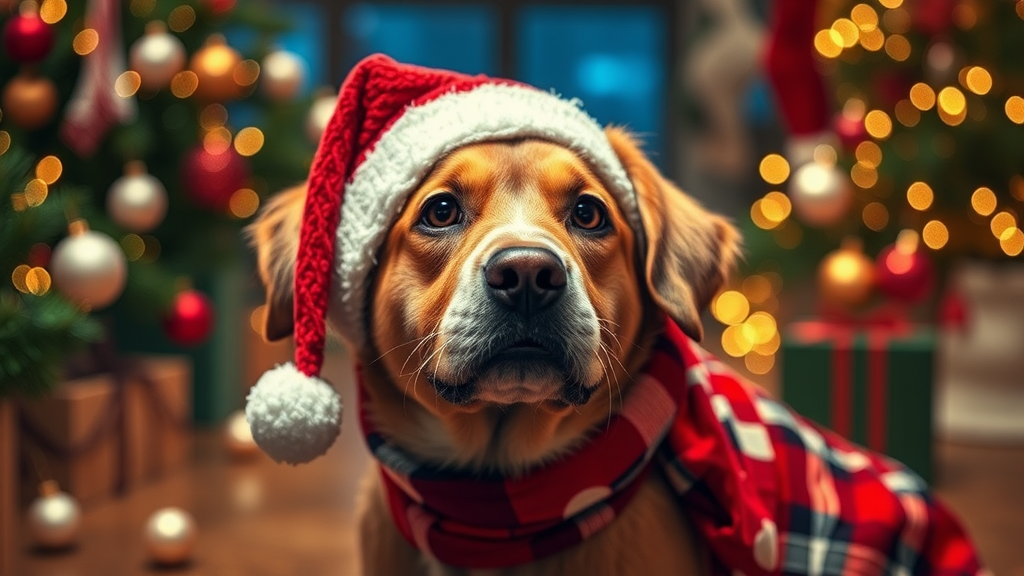
Introduce any holiday costume or bandana at least three days before the photo session. Let your dog sniff and investigate the item freely before they wear it. Chewy and Petco both carry dog-safe holiday accessories designed without tight elastic bands or small decorative pieces that pose choking risks. A simple red plaid bandana or a Santa hat secured with a single soft strap photographs beautifully and causes minimal discomfort.
Keep outfit sessions under five minutes for dogs that show any stiffness or reluctance. Reward generously throughout and always end on a positive note. If your dog tolerates the outfit well, add a festive prop like a wrapped gift box or a KONG toy tied with ribbon for visual interest. Post your best shots to social platforms using tags like #DogChristmas or #FestivePets to connect with a large community of fellow pet owners celebrating the season.
Incorporating Dogs into Family Traditions
Hanging a custom dog stocking alongside the family stockings is one of the simplest ways to pull your dog into Christmas morning. Etsy sellers and Chewy both offer personalized stockings embroidered with your dog’s name, available in sizes from toy breeds to giant breeds. Fill it with a Blue Buffalo Holiday Turkey and Sweet Potato treat, a new rope toy, and a folded bandana — and watch your dog investigate every single item with genuine enthusiasm.
Build a Christmas morning routine that puts your dog front and center from the very first moment. Before anyone tears into their own gifts, let your dog find and open their stocking first. Dogs feed off the excitement in the room, and giving them a structured role channels that energy somewhere useful. Skip wrapping paper with metallic ink or glitter, since both can cause mild gastrointestinal irritation when an enthusiastic dog eats half the wrapping.
Creating a Christmas Day Dog Tradition
Start a yearly tradition of baking homemade dog biscuits on Christmas Eve. A simple recipe using oat flour, unsalted peanut butter, and pumpkin puree produces treats your dog will genuinely go wild for. Cut them into holiday shapes with bone or star cookie cutters. Store them in a sealed jar on the kitchen counter as a small, visible reminder that your dog belongs in this celebration.
Take a family photo that includes your dog every single Christmas. Over the years, that collection becomes a moving record of your dog’s life woven into your family’s story. Use the same spot each year — in front of the tree or on the front porch — to build visual continuity across photos. The ASPCA’s dog care resources also recommend keeping familiar routines during holidays to support your dog’s emotional wellbeing, which makes these consistent traditions doubly worthwhile.
Traveling with Pets During the Holidays
The American Kennel Club recommends getting dogs comfortable with their travel crate at least two weeks before any holiday road trip. Place the crate in your living room with the door open, tuck a worn t-shirt inside for scent familiarity, and feed your dog their regular meals in there. By departure day, the crate feels like a safe space rather than a stressful box.
For car travel, a crash-tested harness or secured crate is non-negotiable. The Center for Pet Safety independently crash-tests harnesses and publishes results publicly at centerforpetsafety.org. The Sleepypod Clickit Sport and the Gunner G1 crate both passed rigorous testing standards. Stop every two hours so your dog can stretch, hydrate, and relieve themselves. Pack a portable water bowl, a measured portion of their regular food, and a familiar toy to keep them comfortable across long drives.
Book pet-friendly accommodations well ahead of time in December, since availability drops sharply in the final two weeks before Christmas (some popular spots fill up before Thanksgiving). Apps like BringFido list verified pet-friendly hotels with specific weight limits and fee structures, so nothing blindsides you at check-in. Bring your dog’s vaccination records, especially when crossing state lines, and pack a small first-aid kit with gauze, antiseptic wipes, and your vet’s emergency contact number. Keeping your dog’s environment as consistent as possible during travel preserves their sense of security and makes the holiday visit enjoyable for everyone in the house.
Wrapping Up with a Year-End Wellness Check
Schedule your dog’s annual wellness exam between December 26 and January 15. Veterinary offices typically see fewer holiday emergencies then, so appointment slots open up fast. This timing lets your vet assess weight changes from holiday treat overindulgence, check for stress-related gastrointestinal upset, and update any vaccinations due in the new year. Ending the calendar year with a clean bill of health gives you a documented baseline for the twelve months ahead.
The American Veterinary Medical Association recommends adult dogs receive a full physical exam at least once per year, while dogs over seven benefit from biannual checkups. A year-end visit covers dental health, joint mobility, coat and skin condition, and internal organ function through basic bloodwork. Holiday seasons bring rich foods, irregular schedules, and increased stress — a combination that can quietly affect your dog’s health in ways only a hands-on exam will catch.
What to Discuss at Your Year-End Vet Appointment?
Bring a written list of any behavioral changes you noticed during the holiday period. Note appetite shifts, changes in sleep patterns, increased anxiety around guests, or any digestive irregularities. Your vet can distinguish between temporary holiday stress and early signs of underlying conditions. Chewy’s pet health and wellness section offers a useful symptom tracker tool that lets you log observations before your appointment.
Ask your vet specifically about your dog’s weight compared to last year’s recorded figure. Holiday treats — including festive Blue Buffalo Wilderness biscuits and the homemade peanut butter cookies many owners give generously in December — add up fast. Even half a pound of unexpected weight gain in a small dog represents a meaningful percentage of their body mass. Your vet can recommend a post-holiday feeding adjustment and whether a joint supplement like Cosequin DS makes sense heading into colder winter months.
Discuss parasite prevention coverage for the upcoming year. Many owners lapse on flea, tick, and heartworm prevention during winter, assuming cold temperatures eliminate the risk. The Companion Animal Parasite Council notes that heartworm-carrying mosquitoes stay active in southern states year-round, and ticks survive in leaf litter well below freezing. Confirm that your dog’s current preventative protocol covers the full geographic range of your holiday travel destinations.
Building a Winter Wellness Routine After the Holidays
January is the right month to reset your dog’s daily schedule after the loosened holiday routine. Return to fixed meal times using measured portions rather than the free-feeding that tends to creep in during festive gatherings. KONG’s line of slow-feeder toys works well here, turning mealtime back into a structured, mentally engaging activity rather than a rushed bowl-clearing event.
Reintroduce consistent daily exercise even when temperatures drop. The ASPCA’s exercise guidelines call for a minimum of 30 minutes of moderate physical activity per day. Shorter, brisker walks in cold weather count fully toward that goal. Invest in a reflective leash or a clip-on LED light for early evening walks — January brings reduced daylight hours across most of North America, a detail that catches a lot of owners off guard. Petco carries a solid range of winter walking gear, including insulated booties and fleece-lined coats sized for breeds from Chihuahuas to Great Danes.
Use the post-holiday period to refresh your dog’s enrichment setup. Rotate KONG stuffing flavors, introduce a new puzzle feeder, or sign up for a beginner nose-work class at your local training facility. Mental stimulation directly supports immune function and reduces cortisol levels in dogs recovering from the sensory overload of a busy holiday season.
Frequently Asked Questions
How soon after Christmas should you schedule a vet wellness check for your dog?
Aim for the last week of December or the first two weeks of January — that sweet spot lets your vet see holiday-related health changes while they’re still fresh. Your vet gets a much clearer picture of how your dog handled dietary shifts, stress, and routine chaos during the festive stretch. Call your clinic directly in early December to lock down a slot before the post-holiday rush swamps the calendar.
Which holiday foods are genuinely dangerous for dogs to consume?
Grapes, raisins, xylitol-sweetened baked goods, macadamia nuts, onions, and cooked bones all pose serious risks to dogs. Each of these requires immediate vet attention if your dog gets into them. The ASPCA Animal Poison Control Center runs a 24-hour hotline at 888-426-4435. Save it in your phone now so you’re never scrambling for it mid-emergency.
How do you keep a dog calm during a large Christmas family gathering?
Before guests arrive, set up a quiet room with your dog’s bed, a filled KONG toy, and either a white noise machine or a calming music playlist. Give your dog free access to that space all evening so they can decompress on their own terms rather than getting swamped by noise and strangers. Adaptil diffusers release dog-appeasing pheromones — plug one into the quiet room about 48 hours before the gathering for the best results.
Can dogs wear Christmas outfits safely, and for how long?
Yes, dogs can safely wear well-fitted holiday outfits for one to two hours at a stretch, as long as the garment doesn’t restrict movement, breathing, or bathroom access. Check that the fabric isn’t bunching around the neck or legs. Pull the outfit off immediately if your dog freezes in place, scratches excessively, or flattens their ears — those are clear stress signals. Never leave a costumed dog unsupervised.
The best way to introduce a new dog toy on Christmas morning
Bring out one toy at a time rather than dumping several new items in front of your dog at once. Too many options at once causes overstimulation and actually kills engagement with each toy. Let your dog sniff it at their own pace before you encourage any interaction, and keep your voice calm rather than ramping up the energy. KONG and Outward Hound both post size-specific toy recommendations on their product pages — useful for matching dimensions and durability to your dog’s breed and chew strength.
How do you help a dog recover from holiday schedule disruptions?
Get back to your dog’s regular feeding times, walk schedule, and bedtime routine within 48 hours of the holiday wrapping up. If your dog is still showing anxiety or appetite loss five days after the holiday ends, call your vet to rule out stress-related gastrointestinal issues.