Key Takeaways
- Cat stress is a serious health concern that can lead to both behavioral and physical complications if left unaddressed.
- Common behavioral signs of a stressed cat include hiding, aggression, excessive vocalization, and changes in litter box habits.
- Physical symptoms such as over-grooming, hair loss, weight changes, and digestive issues are strong indicators of feline anxiety.
- Environmental stressors like new pets, moving homes, or loud noises are among the most frequent triggers of indoor cat stress.
- Products like Feliway and guidance from experts such as Jackson Galaxy can offer practical, effective stress relief for cats.
- The American Veterinary Medical Association and ASPCA recommend early intervention and regular veterinary checkups to manage cat stress management effectively.
- Diet, enrichment, and consistent routines play a crucial role in reducing cat stress and supporting long-term feline wellness.
Introduction to Cat Stress
Cats are often seen as independent, low-maintenance companions. But beneath that cool exterior lies a surprisingly sensitive emotional life. Stress in cats is far more common than most owners realize — and the consequences can be serious. The American Veterinary Medical Association notes that chronic stress in felines can suppress the immune system, trigger stress-related illnesses, and significantly reduce quality of life. Whether you have a playful kitten or a seasoned senior cat, understanding feline anxiety is the first step toward keeping your pet genuinely healthy.
Unlike dogs, cats rarely show distress in obvious ways. They tend to mask discomfort as a survival instinct — a behavior rooted in their wild ancestry. By the time an owner spots something wrong, stress may have been building for weeks or even months. Both PetMD and the ASPCA consistently stress that catching cat anxiety symptoms early is critical to preventing long-term damage. Cat stress management isn’t just about comfort. It’s about protecting your pet’s physical and psychological health from the ground up.
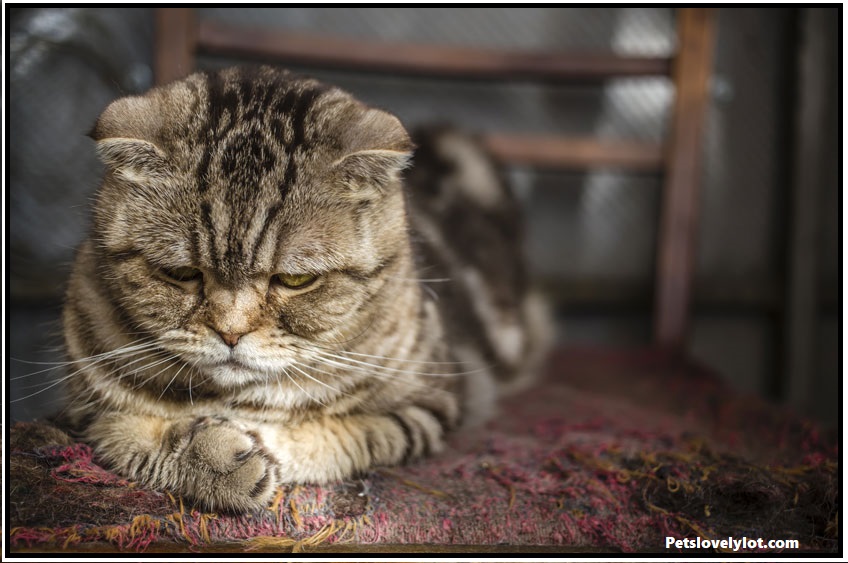
Cat stress occurs when a feline experiences prolonged emotional or physical discomfort, leading to behavioral and health changes. Common signs include hiding, aggression, over-grooming, and appetite loss. Recognizing these early cat anxiety symptoms is essential for timely intervention and effective feline stress treatment, as recommended by the American Veterinary Medical Association and ASPCA.
Recognizing Behavioral Changes
One of the earliest signs of stress in cats is a noticeable shift in day-to-day behavior. A once-sociable cat may suddenly hide under beds, retreat into closets, or avoid family members it used to enjoy. Some cats swing the opposite direction — becoming unusually clingy or demanding attention in ways that feel out of character. Cat behaviorist Jackson Galaxy has long pushed owners to pay close attention to these subtle shifts, pointing out that behavioral changes are often the body’s first distress signals — showing up well before any physical symptoms do.
Other red flags include increased aggression: hissing, swatting, or biting without obvious cause. You may also notice excessive vocalization — loud, repetitive meowing or yowling — along with litter box changes like urinating outside the box, which can point to both psychological stress and underlying medical issues. Compulsive behaviors such as repetitive pacing, heavy furniture scratching, or obsessive play patterns are also documented stress signs.
Physical Indicators of Stress
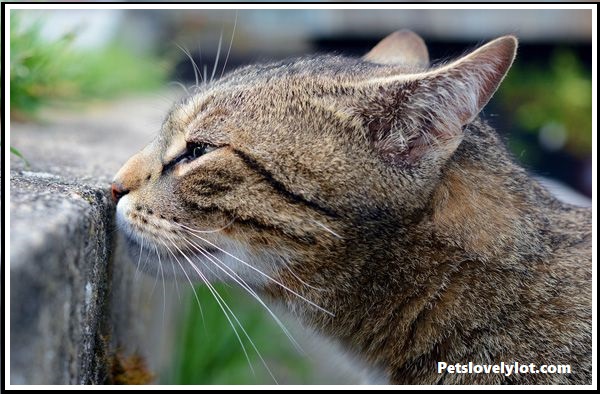
Beyond behavioral shifts, a stressed cat will often show physical symptoms you should never brush off as minor or temporary. Over-grooming is one of the most recognizable signs — a stressed cat may lick, chew, or pull at its fur so compulsively that bald patches and skin sores develop, a condition sometimes called psychogenic alopecia. Digestive disturbances are also common. Stressed cats experience vomiting, diarrhea, or constipation with no clear dietary cause. Both Purina and Hill’s Science Diet have published research showing how chronic stress can directly disrupt feline gut health, making nutrition a key piece of any solid stress management plan.
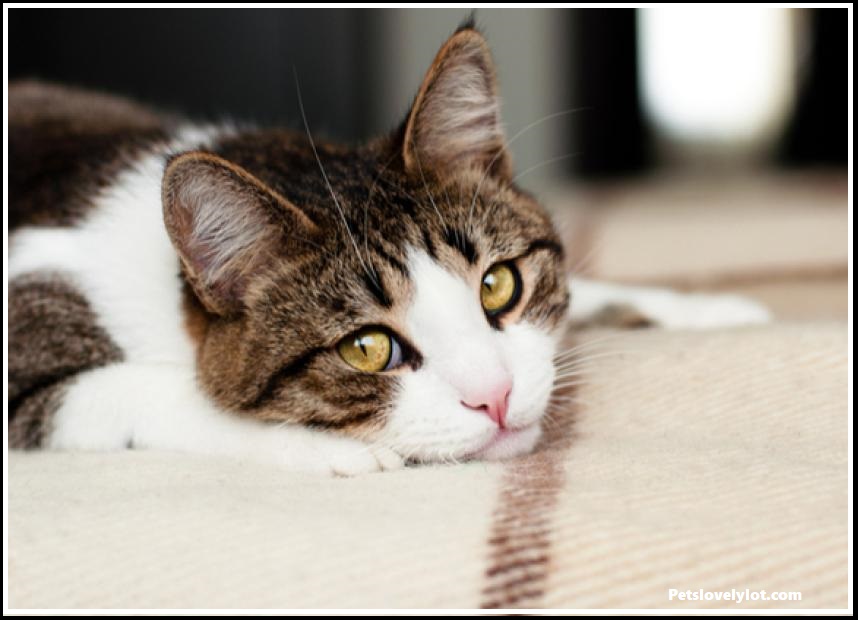
Other physical signs include unexplained weight changes, a dull or unkempt coat from reduced self-grooming in severely withdrawn cats, and rapid or labored breathing during acutely stressful moments. Some cats develop stress-induced cystitis — a painful bladder inflammation triggered by emotional distress rather than infection. PetMD covers this condition extensively, and vets have documented it well. Dilated pupils, flattened ears, a tucked tail, and a crouched posture are all physical cues that your cat is running high on anxiety.
Environmental Stressors
Cats feel the impact of environmental changes far more sharply than most owners expect. The American Veterinary Medical Association lists sudden household changes among the top triggers for feline anxiety — moving to a new home, rearranging furniture, introducing new pets, or even switching litter brands. Cats are creatures of habit with strong territorial instincts. Disruptions to their familiar environment send immediate stress signals through their nervous system.
Construction noise, new appliances, and even shifts in your daily schedule can shake a cat’s sense of security. A cat that previously slept in the living room may avoid it entirely after a new sofa arrives. These reactions aren’t quirks — they’re measurable stress responses rooted in feline biology. Indoor cats have it especially hard, since confined cats can’t escape perceived threats the way outdoor cats can.
New Additions and Territory Disruption
Bringing a new baby, pet, or person into the household ranks among the most disruptive things you can do to a cat’s environment. Territorial animals like cats use scent mapping to feel safe. A new presence immediately rewrites that map. Jackson Galaxy consistently stresses the importance of creating separate safe zones during household transitions, recommending at minimum a 7-to-14-day slow introduction period for new animals.
Seasonal changes factor in too. Shorter daylight hours in winter cut a cat’s exposure to natural light, which can affect mood regulation. Outdoor sounds like thunderstorms, fireworks, or heavy traffic cause sharp spikes in anxiety. Feliway developed their Feliway Classic Diffuser specifically to counter these triggers by mimicking the natural calming pheromones cats produce when they feel safe — a surprisingly simple fix for something that causes so much distress. Plugging one into the room where your cat spends the most time can produce noticeable behavioral improvement within 7 days.
Litter box placement is another environmental factor that often gets ignored. Cats need their boxes in low-traffic, quiet areas. Put a box near a loud washing machine or a busy hallway and you force the cat to choose between basic biological needs and personal safety — chronic stress builds fast when that conflict plays out every single day.
Interaction and Social Factors
Cats need a precise balance of social interaction and solitude. Tip that balance either way and measurable stress follows. Unlike dogs, cats don’t operate within a pack hierarchy. They form selective social bonds, and forced interaction is a documented source of feline anxiety. Children who handle cats too roughly, guests who don’t let the cat initiate contact, or owners who pick up their cats when the animal clearly wants space — all of these push stress levels higher.
Isolation does equal damage. A cat left alone for extended periods in a stimulus-poor environment — no window access, no toys, no vertical space — will show signs of stress within days. The ASPCA recommends at least two dedicated 15-minute interactive play sessions per day for single indoor cats to maintain psychological balance. Without that engagement, cats redirect their energy into destructive or compulsive behaviors.
Multi-Cat Household Dynamics
Multi-cat households add a layer of social stress that owners consistently underestimate. Resource competition is the main driver. Cats in shared spaces compete for food bowls, litter boxes, sleeping spots, and your attention. The standard veterinary guideline is one litter box per cat plus one extra. Fall short of that ratio and territorial tension builds — even between cats that seem to get along fine on the surface.
Subtle bullying between cats often goes completely unnoticed. One cat blocking another’s access to a water bowl or staircase is social aggression. Cat behavior specialists recommend setting up multiple feeding stations in different rooms to neutralize resource competition entirely.
Diet and Nutrition’s Role
Nutrition directly affects a cat’s neurological and emotional stability — not just their physical health. Purina’s veterinary nutritionists have documented links between dietary deficiencies and heightened anxiety in cats, particularly tryptophan deficiency, an amino acid that serves as a precursor to serotonin. A cat eating a low-quality, imbalanced diet simply lacks the raw materials its brain needs to regulate mood.
Hill’s Science Diet offers specific formulations designed to support calm behavior, including options enriched with L-tryptophan and B vitamins that support nervous system function. Switching to a nutritionally complete diet tailored to your cat’s life stage — kitten, adult, or senior — can produce visible reductions in anxiety-related behaviors within 4 to 6 weeks of consistent feeding.
Feeding Routine and Stress Reduction
Consistent feeding schedules are a surprisingly powerful calming tool for cats. Cats fed at unpredictable times develop anticipatory anxiety, often showing up as excessive vocalization, pacing, or aggression near mealtimes. Two fixed daily feeding windows spaced 10 to 12 hours apart give your cat reliable structure. That structure reinforces a genuine sense of environmental safety.
Hydration plays a direct role in stress-related illness, too. Dehydration worsens conditions like stress-induced cystitis and can intensify behavioral symptoms of anxiety. Cats on dry kibble consume far less moisture than cats eating wet food. PetMD’s veterinary contributors recommend transitioning stress-prone cats to at least 50 percent wet food to support urinary tract health and overall wellness. Slow feeders and puzzle bowls add mental stimulation during mealtimes, reducing boredom-driven stress in indoor cats without demanding extra time from you.
Effective Calming Techniques
The Feliway Classic Diffuser is a synthetic analogue of the feline facial pheromone and one of the most clinically documented tools for reducing cat anxiety at home. Plug it into the room where your cat spends the most time and run it continuously for at least 30 days. CEVA Animal Health, the manufacturer, reports measurable reductions in urine marking, hiding, and inter-cat tension within the first two weeks of use.
Jackson Galaxy, cat behavior consultant and author of Cat Daddy, recommends what he calls “cat mojo” building: creating vertical space through wall-mounted shelves and cat trees so cats can observe their environment from a position of safety. Cats that feel physically elevated show lower baseline stress hormones — which explains why a bare, flat room is one of the worst environments for an anxious cat. A single floor-to-ceiling cat tree in a main living area costs under $80 and delivers results within days.
Hands-On Calming Methods
Slow blinking at your cat from across the room is a direct, evidence-backed communication signal. It mimics the relaxed eye contact cats exchange with trusted companions. Repeat the gesture three to five times per session, twice daily. Cats that receive this signal consistently show reduced defensive posturing and greater willingness to approach their owners.
Gentle, rhythmic stroking along the base of the ears and cheek area activates the scent glands cats use for social bonding. Avoid the belly and tail base during high-stress periods, as those zones heighten arousal rather than reduce it. Keep petting sessions to five minutes or less when a cat is already anxious. Shorter, positive interactions build trust faster than prolonged contact a stressed cat merely tolerates.
Calming supplements with L-theanine — such as Zylkene by Vetoquinol or Composure by VetriScience — offer a non-prescription option for managing acute stress episodes. Both products are widely available through major pet retailers and carry established safety profiles for cats. Introduce them 48 hours before a predictable stressor, not the day of, to let the active compounds reach effective tissue levels.
When to Consult a Veterinarian
Book a vet appointment within 72 hours if your cat stops eating for more than 24 hours alongside any other stress sign. Hepatic lipidosis, a life-threatening liver condition, can develop in cats that refuse food for as few as two to three days. The American Veterinary Medical Association classifies sudden anorexia in cats as a medical urgency, not a behavioral issue to watch passively.
Repeated urinary straining, blood in urine, or crying while attempting to urinate all demand same-day veterinary attention. Stress-induced feline idiopathic cystitis can escalate to a full urinary blockage within hours, particularly in male cats. Home calming techniques are not an appropriate first response here. A blocked urethra becomes fatal without prompt intervention.
Behavioral Red Flags Requiring Professional Evaluation
Compulsive behaviors lasting beyond three weeks warrant a formal veterinary assessment. Excessive grooming that produces bald patches, repetitive pacing along fixed routes, and self-directed aggression like tail chasing or skin biting all signal that stress has crossed into clinical anxiety disorder territory.
Prescription medications including fluoxetine and buspirone are legitimate, effective tools for severe feline anxiety. Vets prescribe them for cats whose quality of life is significantly impaired and who haven’t responded to environmental and behavioral interventions after 60 days. These medications require a proper diagnosis and dosing protocol. Never give your cat human anxiety medications without veterinary direction — many are acutely toxic to felines.
Preventive Measures
Socialization between 2 and 7 weeks of age is the single most powerful predictor of a cat’s stress resilience in adulthood. Kittens exposed to varied handling, sounds, and environments during this window develop stronger nervous systems. For adult cat adopters, the ASPCA recommends a structured 3-3-3 adjustment protocol: three days to decompress, three weeks to learn the household routine, and three months to feel fully settled. Rushing any phase of that timeline raises the risk of chronic stress taking hold.
Environmental enrichment prevents the boredom-driven anxiety that affects most indoor cats. Rotate three to five toys weekly rather than leaving the same ones out permanently. Novelty activates the seeking circuits in a cat’s brain and keeps baseline stress levels low. Bird feeders mounted outside windows, cat-safe herb gardens, and cardboard box tunnels all provide low-cost stimulation that sustains feline wellness year-round.
Building a Stress-Resistant Home Environment
Dedicate at least one room in your home as a cat sanctuary: a quiet space with a covered bed, a Feliway diffuser, fresh water, and no foot traffic from guests or other pets. Cats need a guaranteed retreat point to manage their own stress independently. This one structural change reduces anxiety-related illness by giving cats agency over their environment rather than forcing them to compete for safe space.
A predictable daily schedule is your most effective long-term preventive strategy. Feed at the same times, clean litter boxes at the same intervals, and run play sessions at consistent windows. Cats are highly attuned to routine disruption. A stable schedule communicates environmental safety more effectively than any single technique. Combined with veterinary wellness checks every 12 months, consistent daily structure gives your cat the strongest possible foundation for a low-stress, healthy life.
Conclusion and Further Resources
Ten specific risk signs point to feline stress: changes in litter box habits, excessive grooming, hiding, aggression, appetite shifts, over-vocalization, compulsive behaviors, disrupted sleep, reduced play interest, and physical symptoms like diarrhea or hair loss. Catching even two or three of these signs early gives you a real window to intervene before stress hardens into a chronic condition. Early action protects both your cat’s physical health and your long-term bond with them.
The core framework across this guide rests on three pillars: observation, environment, and professional partnership. Watch your cat closely enough to notice baseline changes. Structure their environment to reduce known stressors like territorial insecurity, unpredictable schedules, and insufficient hiding spots. Recognize when home interventions have reached their limit and a veterinarian or certified cat behavior specialist needs to step in. No single product or technique replaces that three-part foundation.
Key Organizations and Trusted Resources
The American Veterinary Medical Association publishes updated guidelines on feline behavioral health, including stress assessment tools your veterinarian can use during wellness visits. Their online resource library is free to access and covers everything from multi-cat household management to the appropriate use of anxiolytic medications. Bookmark their feline behavior section as a primary reference whenever you notice new symptoms in your cat.
The ASPCA’s cat behavior resource center covers common behavioral issues with practical, step-by-step guidance written for everyday pet owners. Jackson Galaxy, a certified cat behavior consultant and host of Animal Planet’s “My Cat From Hell,” offers free video content on his website addressing territorial stress, inter-cat aggression, and environmental enrichment. His “cat mojo” framework aligns closely with what veterinary behaviorists recommend for building feline confidence and reducing anxiety-driven behaviors.
PetMD provides symptom-specific articles reviewed by licensed veterinarians, making it a solid starting point when you notice a new physical symptom and want to understand possible causes before your vet appointment. Purina and Hill’s Science Diet both publish nutritional guidance addressing how diet quality affects stress resilience in cats — including lines formulated for urinary and digestive health, two systems heavily impacted by chronic feline stress.
Products Worth Knowing
Feliway Classic diffusers release synthetic feline facial pheromones that signal safety to your cat’s nervous system. Plug one in the room where your cat spends the most time and replace the refill every 30 days for consistent effect. Feliway MultiCat is formulated for households with two or more cats and targets the appeasement pheromone tied to reduced inter-cat tension. Both products are backed by peer-reviewed studies and veterinary behaviorists recommend them as first-line environmental interventions.
Calming supplements containing L-theanine — such as Zylkene or VetriScience Composure — are available without a prescription and work well for situational stress like travel, vet visits, or holiday gatherings. Always confirm the correct dosage for your cat’s weight with your veterinarian before starting any supplement. These products complement behavioral and environmental strategies rather than replacing them.
Your Next Steps as a Cat Owner
Start with a full home audit this week. Walk through each room and assess it from your cat’s perspective: locate the hiding spots, count the litter boxes, identify noise sources, and check whether food, water, and resting areas are separated from high-traffic zones. This 20-minute exercise often reveals three or four simple changes that can lower your cat’s daily stress load right away.
Schedule a veterinary wellness check if your cat has shown any of the ten risk signs for longer than two weeks. Bring your behavior log, a list of recent household changes, and any questions about calming products or prescription options. Your veterinarian is your most reliable partner in this process. Consistent annual checkups, combined with the environmental and behavioral strategies covered throughout this guide, give your cat the strongest possible chance at a calm, healthy, and enriched life.
Frequently Asked Questions
How quickly can a stressed cat recover with the right interventions?
Recovery timelines depend heavily on how severe and how long the stress has been going on. A cat dealing with mild situational stress — say, a new piece of furniture or a brief visitor — can bounce back to normal behavior within 24 to 72 hours once the stressor disappears. Chronic stress that’s lasted longer than 30 days is a different story. Expect a recovery window of four to twelve weeks when you apply consistent environmental changes, a stable routine, and tools like Feliway diffusers. Track your cat’s progress weekly, and consult your veterinarian if you see no improvement after 30 days of targeted intervention.
Can indoor cats develop stress-related illnesses more often than outdoor cats?
Indoor cats face a specific set of stressors that outdoor cats simply don’t encounter — limited territory, reduced sensory stimulation, and zero control over social interactions with other household pets. These factors make indoor cats statistically more prone to stress-related conditions like feline idiopathic cystitis and over-grooming disorders. You can cut this risk significantly by providing vertical space through cat trees, rotating enrichment toys weekly, and setting aside a quiet sanctuary room your cat can retreat to whenever needed.
Do certain cat breeds show stress signs differently?
Yes — breed temperament shapes how stress shows up in individual cats. Siamese and Bengal cats tend to channel anxiety into loud vocalization and destructive behavior, while Persian and Ragdoll breeds more often withdraw and hide. That said, your cat’s individual personality matters just as much as breed. Use the ten risk signs as a baseline and get to know your specific cat’s normal behavior first. Any shift from that personal baseline warrants closer observation, regardless of what the breed tendencies suggest.
Are calming collars effective for reducing cat anxiety?
Calming collars like Sentry HC Good Behavior or Comfort Zone release pheromones continuously near your cat’s face, and they can work well for mild to moderate anxiety. They’re most effective when your cat’s stress ties back to a specific trigger, such as car travel or grooming appointments. You should replace the collar every 30 days as directed and pair it with environmental strategies for the best results, since collars alone rarely resolve deep-rooted chronic stress.
How do you tell the difference between a sick cat and a stressed cat?
Stress and illness share a lot of overlapping signs, including appetite loss, hiding, and litter box avoidance. That overlap is exactly why a veterinary exam is the only reliable way to tell them apart. Your veterinarian will run bloodwork and a urinalysis to rule out physical illness before pointing to behavioral stress as the cause. Never assume your cat is simply anxious without a proper diagnosis — conditions like hyperthyroidism, urinary tract infections, and dental pain all produce behavioral changes that mirror anxiety symptoms almost perfectly.
Can children in the household contribute to a cat’s chronic stress?
Young children rank among the most common environmental stressors for cats, mostly because of unpredictable movement, loud noise, and handling that completely ignores feline body language. You can ease this tension by teaching children to recognize warning signs like flattened ears and a tucked tail, and by giving your cat at least one child-free zone in the home. A baby gate that cats can jump over but toddlers can’t gives your cat reliable access to a safe retreat — and that small structural change can dramatically reduce daily stress exposure.