Key Takeaways
- Dogs react to people based on body language, scent, tone of voice, and past experiences — not personal grudges.
- Dog jealousy and dog protection instincts are among the most common reasons a dog may show aversion toward a new partner.
- Recognizing early dog anxiety signs — such as growling, hiding, or excessive barking — can prevent escalating behavior issues.
- Introducing new people to pets gradually and positively is one of the most effective pet bonding tips available.
- Canine Behavior Specialists and certified trainers can provide expert guidance when standard dog training tips fall short.
- Patience, consistency, and structured dog socialization exercises are key to improving pet relationships over time.
- The pet-owner relationship plays a central role in how a dog perceives and accepts new family members.
Watching your dog growl, hide, or snap at your boyfriend every time he walks through the door is genuinely stressful. You love them both, and that tension puts real strain on your relationship with each of them. A dog disliking a specific person is rarely random. Clear, identifiable reasons drive this behavior, and with the right approach, the situation can almost always be turned around.
Dogs may dislike a boyfriend due to unfamiliar scents, intimidating body language, past negative experiences, or strong dog protection instincts. Understanding these triggers and using positive reinforcement dog training tips can help bridge the gap. Most dogs can learn to accept and even bond with new people through patient, structured dog socialization.
Understanding Canine Behavior
Dogs are complex social animals shaped by genetics, early life experiences, and their environment. According to the American Kennel Club, dogs are highly sensitive to their surroundings and rely heavily on non-verbal communication to decide whether a person or situation is safe. Humans process social cues through language and logic. Dogs work primarily through scent, sound, and body language. What looks like irrational behavior to us is actually a completely rational response from the dog’s point of view.
Understanding dog behavior issues starts with accepting that your dog is not being spiteful or dramatic. Every behavior, from tail tucking to aggressive barking, communicates something specific. Renowned canine behaviorist Cesar Millan has long emphasized that dogs live in the present moment and respond directly to the energy and signals around them. A dog that seems to dislike your boyfriend is communicating discomfort or uncertainty. Decoding those signals is the first step toward fixing the situation. The pet-owner relationship you have built gives you a real advantage in helping your dog navigate new social territory.
Dogs are also creatures of habit. Any disruption to their established routine, including a new person who starts spending significant time in the home, can trigger anxiety or territorial responses. This is especially true for dogs that missed out on diverse social experiences during their critical developmental window, typically between three and fourteen weeks of age. Dogs that weren’t well-socialized as puppies may struggle more to adjust to new family members later in life. That said, the situation is far from hopeless.
Common Reasons Dogs May Dislike Individuals
One of the biggest factors in how a dog responds to a specific person is scent. A dog’s olfactory system is estimated to be 10,000 to 100,000 times more sensitive than a human’s. Your boyfriend carries a unique chemical signature that includes traces of other animals, cologne, food, stress hormones, and more. Any of these scent components can trigger a negative association. Maybe your boyfriend owns a cat, uses a strongly scented product, or carries a smell your dog has linked to a bad experience. This is one of the most overlooked explanations for why a dog dislikes a specific person.
Body language is another critical factor. Many people, when meeting a dog they want to impress, instinctively lean forward, make direct eye contact, and reach out to pet the dog on top of the head. To a human, this reads as friendly and enthusiastic. To a dog, this combination of behaviors can feel threatening and confrontational. Dog protection instincts may kick in, causing the dog to growl or back away. Men can unintentionally trigger these responses more often than women. Deeper voices, larger physical frames, and more assertive movement patterns can all register as intimidating to a sensitive or under-socialized dog.
Past experiences and trauma also shape how a dog interacts with new people. A dog previously mistreated or frightened by someone who resembles your boyfriend in appearance, voice, or mannerism may transfer that fear response onto him. Canine Behavior Specialists recognize this as generalized fear conditioning, and it is well-documented. Dog jealousy is also a real, recognized behavioral issue. When a dog sees your boyfriend as a competitor for your attention and affection, possessive or protective behaviors can follow. These behaviors look a lot like dislike but are actually rooted in insecurity and attachment.
Recognizing Signs of Dislike or Discomfort
Before addressing the problem, you need to accurately identify what your dog is telling you. Dog anxiety signs range from subtle and easy to miss to overt and impossible to ignore. On the subtler end, watch for excessive yawning, lip licking, head turning, or “whale eye.” Whale eye is when the whites of the eyes become visible. These are called calming signals. They are your dog’s way of trying to de-escalate a situation they find stressful. Many pet owners miss these early warning signs entirely, which allows anxiety to build and eventually surface as more dramatic behaviors.
More obvious dog anxiety signs include growling, snapping, persistent barking, lunging, or physically placing themselves between you and your boyfriend. Some dogs express discomfort through avoidance rather than aggression. They retreat to another room, hide under furniture, or refuse to engage when your boyfriend is present. Both responses are equally valid expressions of distress and deserve serious attention. Retailers like PetSmart and Petco offer behavior guides and consultation services that help owners understand these signals and act early.
Pay close attention to the timing and context of your dog’s reactions. Does the discomfort start the moment your boyfriend walks in, or does it build only when he sits close to you? Does your dog react differently when he approaches calmly versus when he moves quickly or speaks loudly? Keeping a written or mental log of these patterns proves invaluable when working with a trainer or canine behavior specialist. Understanding pet signals in context allows for a far more targeted intervention. It also helps distinguish between generalized anxiety and situation-specific triggers that proper guidance can directly address.
Improving Dog-Boyfriend Relations
Start with controlled, low-pressure introductions in a neutral space outside your home, like a park or quiet sidewalk. Your home is your dog’s established territory. Forcing a new person into that space without preparation can trigger protective instincts right away. The American Kennel Club recommends that new people approach dogs from the side rather than head-on, crouch to the dog’s level, and let the dog initiate contact rather than reaching out first.
Your boyfriend’s body language matters enormously during these early meetings. Dogs read physical cues far faster than verbal ones. Direct eye contact, looming posture, and fast movements can all register as threatening to an anxious or protective dog. Ask your boyfriend to keep his body turned slightly sideways, speak in a calm low tone, and avoid reaching over the dog’s head to pet it. Petting under the chin or on the chest feels far less threatening from a dog’s perspective and tends to produce a much more relaxed response.
Using High-Value Rewards to Build Positive Associations
Pair your boyfriend’s presence with something your dog genuinely loves. High-value treats like small pieces of cooked chicken, freeze-dried liver, or Zuke’s Mini Naturals work well because they carry strong motivational weight. Have your boyfriend serve as the sole provider of these treats during every interaction for the first two to four weeks. This builds a reliable positive association: his arrival predicts something good. Over time, your dog’s emotional response to seeing him shifts from wariness to anticipation.
Consistency is non-negotiable here. When your boyfriend engages positively on some visits but ignores or accidentally startles the dog on others, the association becomes unpredictable. Unpredictability is one of the primary drivers of dog anxiety. Set a clear routine where your boyfriend participates in feeding, walk time, or play sessions at least three to four times per week. That regularity helps your dog categorize him as a safe, predictable presence rather than an unknown threat.
Managing Space and Attention Fairly
Dog jealousy escalates when a dog feels displaced from its established role in the household. Give your dog dedicated one-on-one time with you every day, separate from time spent with your boyfriend. A 15-minute solo play or training session signals to your dog that the relationship dynamic has not been replaced, only expanded. This small daily investment dramatically reduces possessive and attention-seeking behaviors within two to three weeks.
Avoid punishing your dog for growling or showing discomfort around your boyfriend. Growling is communication. Suppressing it through punishment removes a warning signal without addressing the underlying emotion, which can produce a dog that bites without warning. Address the root cause instead of silencing the symptom.
Training and Socialization Techniques
Counter-conditioning and desensitization are the two most effective behavior modification tools for a dog that dislikes a specific person. Counter-conditioning replaces a negative emotional response with a positive one through repeated, controlled exposure paired with rewards. Desensitization gradually increases the intensity of the trigger, starting well below the dog’s reaction threshold. Used together, these techniques produce lasting behavioral change rather than temporary suppression.
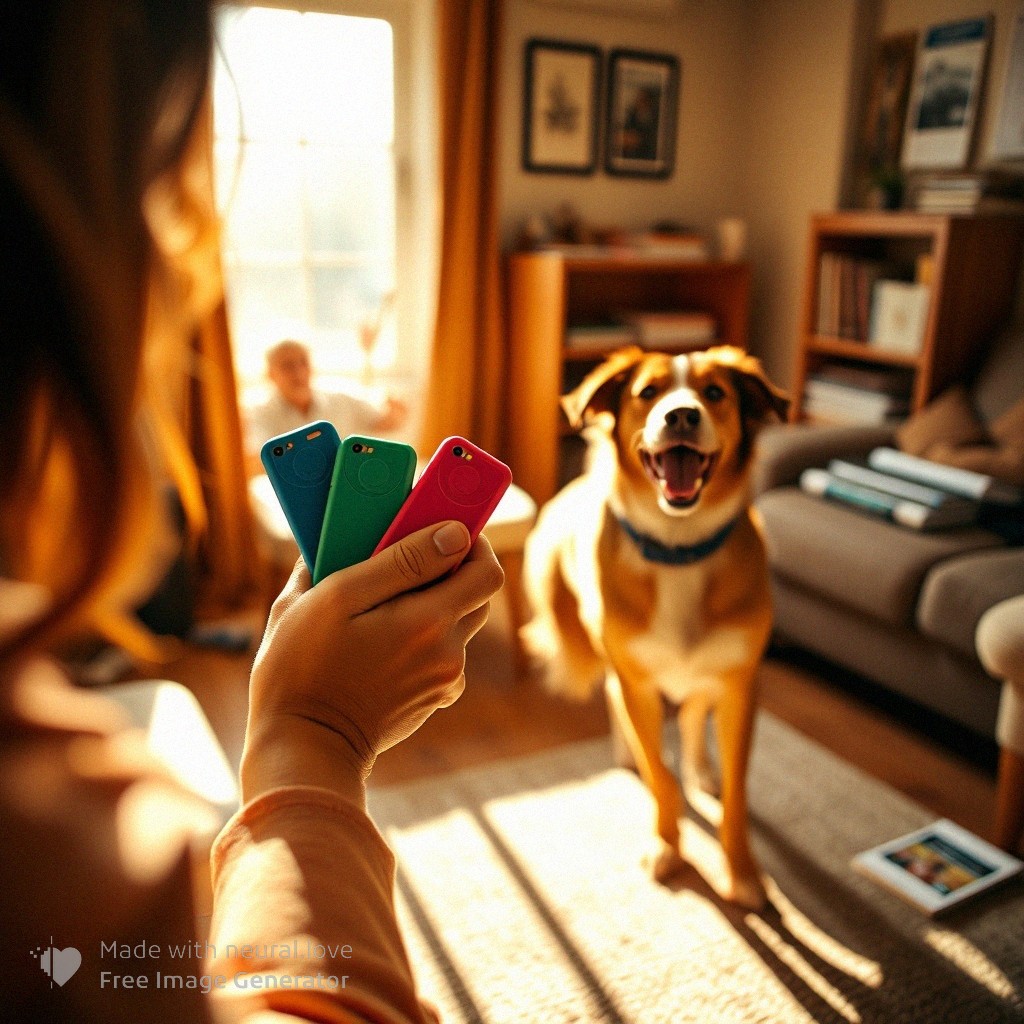
Begin desensitization at a distance where your dog notices your boyfriend but does not react. Trainers call this the threshold distance, and it varies by dog. Some dogs are comfortable at 20 feet while others need 50 feet or more to start. Mark calm behavior with a clicker or a verbal marker like “yes,” then reward immediately. Slowly close the distance over multiple sessions, and only move closer once the dog stays relaxed at the current distance for at least three consecutive sessions.
Obedience Commands as Confidence Builders
Teaching your dog solid obedience commands like “sit,” “stay,” “look at me,” and “place” gives both you and your dog a shared language during stressful interactions. A dog that knows what is expected feels more secure. Have your boyfriend participate in short, five-minute training sessions using these commands. When a dog successfully performs a behavior for your boyfriend and earns a reward, it reinforces his role as a positive and trustworthy figure rather than a source of uncertainty.
PetSmart’s Accredited Training Program offers group and private sessions that both you and your boyfriend can attend together, which works especially well for improving pet relationships in a structured setting. Group classes also provide controlled socialization opportunities that build your dog’s overall confidence around new people.
Professional Help: When to Seek It
Seek professional intervention immediately if your dog has made contact during a snap or bite, even a minor one. Escalating aggression never resolves on its own. It carries serious safety and liability risks. A certified applied animal behaviorist or a veterinary behaviorist can assess whether the behavior has a medical component, such as pain-related aggression or anxiety disorders requiring pharmaceutical support alongside behavioral modification.
Cesar Millan’s Dog Psychology Center and organizations like the International Association of Animal Behavior Consultants maintain directories of qualified professionals. Look specifically for practitioners certified by the Certification Council for Professional Dog Trainers, designated as CPDT-KA or CPDT-KSA. These credentials confirm a trainer has met rigorous standards in learning theory and humane training methodology. Avoid trainers who rely primarily on aversive tools like prong collars or shock collars for fear-based behavior. Those methods can dramatically worsen dog anxiety signs and destroy the trust you are working to build.
Behavioral Assessments and Long-Term Plans
A qualified canine behavior specialist will conduct a full behavioral assessment, typically lasting 60 to 90 minutes. This covers your dog’s history, triggers, body language patterns, and the specific dynamics of your household. From that assessment, they build a written behavior modification plan with measurable milestones, usually reviewed every four to six weeks. That structured approach removes guesswork and gives you a clear timeline for progress.
Behavioral intervention works best when started early. A dog that has displayed discomfort for three months responds far better to treatment than one whose behavior has been reinforced for three years. If your dog’s dislike of your boyfriend is causing daily stress, affecting your relationship, or preventing normal household functioning, scheduling a professional consultation within the next two weeks is the most effective step you can take for both your dog’s wellbeing and your household’s harmony.
Building Trust and Comfort
Three specific environmental changes can shift your dog’s emotional response to your boyfriend within the first two weeks. First, designate a safe retreat space for your dog, such as a crate, a dog bed in a quiet corner, or a separate room where your boyfriend never follows or approaches. The American Kennel Club recommends crate training as a foundational tool for giving dogs a sense of autonomy and security in unpredictable social situations. When your dog chooses to retreat, that choice must always be respected.
Your boyfriend should avoid direct eye contact, looming postures, and reaching over the dog’s head during early interactions. Have him turn sideways, crouch at the dog’s level, and let the dog approach on its own terms. That body language communicates non-threat far more effectively than treats alone. Pair these calm postures with high-value food rewards like small pieces of cooked chicken or commercial treats such as Zuke’s Mini Naturals, delivered only when the dog voluntarily moves closer.
Consistency matters more than intensity here. Short, daily five-minute sessions where your boyfriend simply exists calmly in the same room, reads a book, or watches television without engaging the dog directly, build familiarity without pressure. Dogs habituate to non-threatening stimuli over repeated exposure. After seven to ten days of this low-pressure routine, most dogs begin showing reduced avoidance behaviors and may even initiate brief contact on their own terms.
Scent introduction also accelerates comfort-building. Give your dog a worn T-shirt or pillowcase belonging to your boyfriend to sniff and rest near before any in-person interactions. Dogs process the world primarily through smell, and pre-familiarizing them with a person’s scent reduces the novelty factor that triggers defensive reactions. Place the item near the dog’s sleeping area for at least 48 hours before a planned visit or interaction session.
Case Studies: Success Stories
One documented case from a Petco-affiliated trainer in Austin, Texas, involved a four-year-old rescue Labrador mix named Scout who growled and retreated every time the owner’s boyfriend entered the home. The trainer implemented a structured 30-day desensitization plan. The boyfriend started by sitting on the floor 10 feet away from Scout during the dog’s mealtime for the first week, moving one foot closer every two days. By day 21, Scout was eating from a bowl placed directly beside the boyfriend’s leg. By day 30, Scout initiated contact by resting his chin on the boyfriend’s knee.
A second case involved a three-year-old Shih Tzu named Bella who displayed resource guarding and possessive behavior toward her owner whenever the boyfriend visited. A certified canine behavior specialist identified the root issue as dog jealousy combined with an inconsistent attention schedule. The solution required the owner to stop immediately redirecting Bella every time the boyfriend arrived, since that had inadvertently reinforced the behavior. Both partners then practiced parallel engagement, sitting together and calmly interacting while Bella received attention from both simultaneously. Within six weeks, Bella stopped positioning herself between them and began seeking the boyfriend for play on her own.
These cases share a common thread. Success came not from forcing affection but from removing pressure, adding predictability, and giving the dog agency throughout the process. Both owners committed to daily 10-minute sessions and tracked progress using a simple behavior log, noting specific triggers, distances, and reactions each day. That documentation helped their trainers adjust the plan with precision rather than guesswork.
Frequently Asked Questions
How long does it typically take for a dog to accept a new partner?
Most dogs show measurable improvement within four to eight weeks when consistent desensitization techniques are applied daily. Dogs with deeper fear histories or past trauma may need three to six months of structured work with a certified canine behavior specialist. Track your dog’s specific triggers and comfort thresholds weekly. That way you can measure real progress rather than going on gut feelings alone.
Should your boyfriend feed your dog to help build a bond?
Yes, transferring feeding duties to your boyfriend is one of the most effective bonding strategies available. It directly links him to your dog’s primary survival reward. Start by having him place the bowl down without making eye contact or speaking. Once your dog eats without hesitation, gradually add calm verbal praise. Keep this up for at least 14 consecutive days before expecting any visible shift in your dog’s comfort level.
Can a dog’s dislike of a specific person ever become permanent?
Permanent aversion is rare when the person commits to patient, low-pressure interaction over a sustained period. Dogs are highly adaptable, and their emotional responses to people shift when positive experiences consistently replace negative ones. Progress stalling completely after 60 days of structured effort is a signal to consult a veterinary behaviorist. Underlying medical causes like pain, hormonal imbalances, or neurological conditions can intensify reactive behavior and need to be ruled out.
Does your dog’s breed affect how quickly it warms up to new people?
Breed tendencies play a real role in socialization timelines. Guardian breeds like Anatolian Shepherds, Akitas, and Chow Chows are selectively bred to be suspicious of strangers. They may need longer adjustment periods than social breeds like Golden Retrievers or Beagles. The American Kennel Club groups breeds by function. Understanding your dog’s breed group gives you realistic expectations for the pace of bonding with new family members.
Is your dog being protective of you, or is it showing fear-based aggression?
Protective behavior typically looks like your dog positioning itself between you and your boyfriend, alert barking, or stiffening without retreating. Fear-based aggression more commonly involves cowering, tucked tails, whale eye, and snapping when the dog feels cornered. Telling the two apart matters because each requires a different training approach. Misidentifying the motivation can make the behavior worse. A certified applied animal behaviorist can observe your dog directly and deliver a clear, accurate diagnosis within a single 90-minute assessment session.
Can professional dog training classes help improve your dog’s relationship with your boyfriend?
Group obedience classes, such as those offered through PetSmart’s Accredited Training Program or local CPDT-KA certified trainers, give your boyfriend a structured setting to build a training relationship with your dog under professional guidance. Attending classes together as a household helps your dog connect your boyfriend with positive learning experiences and clear communication. Sign up for a beginner obedience class that runs six to eight weeks. Between sessions, practice the taught skills together at home for at least 10 minutes every day.