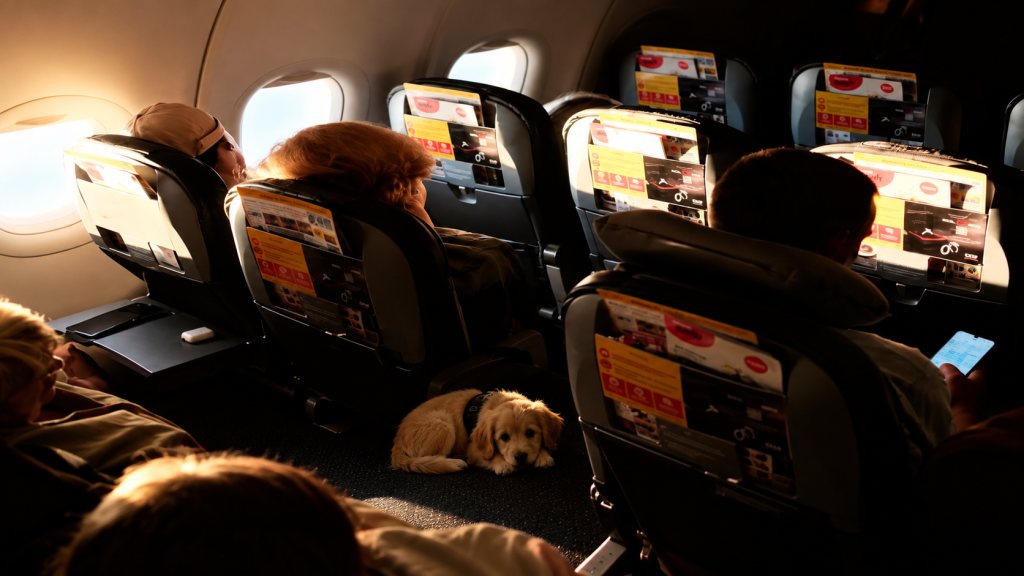
Key Takeaways
- Pet-friendly airlines vary significantly in their policies, fees, and accommodations for animals traveling in-cabin or as cargo.
- JetBlue Airways and Southwest Airlines consistently rank among the top choices for domestic pet travel due to transparent policies and lower fees.
- Delta Air Lines, American Airlines, and United Airlines offer structured pet transportation services but have specific breed and size restrictions to review carefully.
- Always verify USDA and TSA requirements before booking, as federal regulations govern animal travel requirements on commercial flights.
- Airline pet fees typically range from $95 to $200 each way for in-cabin travel, making budgeting an essential part of trip planning.
- Booking early is critical, as most airlines cap the number of pets allowed per flight, often limiting availability to just a few spots.
- A thorough pet travel checklist, including veterinary health certificates and proper carrier sizing, can make or break your travel experience.
Introduction to Pet Travel by Air
Flying with pets has shifted from a niche concern into a mainstream reality for millions of American travelers. The American Pet Products Association reports that nearly 70 percent of U.S. Households own a pet. As ownership keeps climbing, so does the demand for safe, reliable, and compassionate air travel options for animals. Whether relocating across the country, heading to a family vacation, or simply refusing to leave a companion behind, knowing the pet-friendly airline landscape matters more than ever. Carriers have responded by expanding and refining their pet travel policies, though the quality of those services varies widely from airline to airline.
Pets on planes have been around for decades, but airlines only recently started competing seriously for pet-owning passengers. Growing awareness around animal welfare, combined with high-profile cargo hold incidents, pushed carriers to reassess their in-cabin accommodations and animal travel requirements. Today, travelers can choose from several options. Small pets can ride in-cabin inside an approved carrier. Larger animals can travel as checked baggage. Dedicated pet transportation services handle international pet travel. Each option carries its own rules, costs, and considerations, so doing the research before booking is essential.
The best airlines for pet travel in the United States include JetBlue Airways, Southwest Airlines, Delta Air Lines, American Airlines, and United Airlines. These carriers offer in-cabin pet options, structured cargo programs, and clear pet policies. Key factors include airline pet fees, breed restrictions, carrier size limits, and available pet accommodations on domestic and international routes.
Criteria for Selecting an Airline for Pet Travel
Choosing the right airline for a pet goes beyond picking the cheapest ticket or most convenient departure time. Several critical factors demand a close look before committing to any carrier. Start by examining the airline’s pet policies in detail. Check whether the pet qualifies for in-cabin travel based on size and weight, which breeds face restrictions, what carrier types are approved, and how many pets are allowed per flight. American Airlines and United Airlines both maintain detailed breed restriction lists, particularly targeting brachycephalic breeds like bulldogs and pugs. These short-nosed dogs face higher respiratory risks during flight. Overlooking these restrictions can mean a pet gets denied at the gate.
Safety records and customer reviews carry enormous weight when evaluating an airline. The U.S. Department of Transportation publishes annual reports covering animal injuries, deaths, and losses reported by carriers. Reviewing that data gives pet owners an objective, evidence-based view of how each airline actually handles animal passengers. Customer reviews on pet travel platforms fill in the gaps that official policies leave out. Staff attentiveness, how pets are handled during boarding and deplaning, and how airlines respond to problems all shape the real experience. Airline pet fees add another layer of practical concern, since costs stack up fast on multi-leg or round-trip journeys.
The specific route also matters, especially when the destination has its own animal travel requirements. International pet travel adds complexity well beyond what any single airline controls. USDA health certificates, destination country import rules, and mandatory quarantine periods all come into play. Even some domestic routes involve state-level entry requirements for animals. TSA screening adds another step, requiring pets to be removed from carriers and walked through metal detectors at security checkpoints. Understanding these overlapping regulations before booking cuts down on travel-day stress and helps keep the journey smooth and safe. For feline-specific rules, see our guide on whether cats can fly in cabin internationally.
Top Airlines for Pet Travel in the United States
A handful of U.S. Carriers consistently stand out for their thoughtful policies, transparent fees, and genuine commitment to animal welfare. JetBlue Airways is widely regarded as one of the most pet-friendly airlines in the country. Its JetPaws program offers perks specifically designed for traveling pet owners, including discounts on pet supplies and travel accessories. Small cats and dogs can travel in the cabin for a one-way fee of $125. Pet travel reviews consistently praise JetBlue staff for being accommodating and knowledgeable about the process. JetBlue offers no cargo pet option, which works in its favor from a safety standpoint. Every pet travels in the cabin, where staff can monitor them throughout the flight.
Southwest Airlines ranks among the top choices for domestic pet travel. Travelers value it for low fees and a simple booking process. Southwest allows small cats and dogs in-cabin for $125 each way. The airline’s open seating policy gives pet owners flexibility in choosing where to sit. Southwest transports no pets as cargo, a policy many animal welfare advocates consider a meaningful safety advantage. The airline limits pets to six per flight, so early booking is essential. Customer experiences tend to be positive, with travelers frequently noting that gate agents and flight attendants actively assist pet-owning passengers and confirm carriers are properly stowed.
Delta Air Lines, American Airlines, and United Airlines round out the list of top carriers, each offering both in-cabin and cargo options for animals of varying sizes. Delta’s in-cabin program charges $95 each way for small cats and dogs, one of the lower rates among major carriers. Past cargo-related incidents prompted Delta to overhaul its pet transportation services significantly. American Airlines charges $125 for in-cabin pets and runs a dedicated live animal cargo service called American Airlines Cargo for larger animals. United Airlines faced well-publicized pet safety controversies in past years. Since then, the airline has implemented stricter protocols and updated its PetSafe program to improve the cargo travel experience. Each carrier enforces specific rules on carrier dimensions, health documentation, and breed eligibility. Travelers should review those details carefully before booking. Dog owners should also check our guide on which airlines allow large dogs in cabin for breed-specific carrier rules.
Pet Travel Policies and Regulations
The TSA requires all pets to be removed from their carriers at security checkpoints. The carrier goes through the X-ray machine while you carry your pet through the screening area. This applies at every U.S. Airport, regardless of airline. Knowing this ahead of time helps you prepare your pet for a brief, stressful moment in an unfamiliar environment.
The USDA Animal and Plant Health Inspection Service sets federal standards for humane animal transport on commercial aircraft under the Animal Welfare Act. These regulations cover temperature requirements, ventilation standards, and minimum cage size specifications for cargo pets. Airlines must meet these standards, though many carriers enforce stricter internal policies beyond the federal baseline.
International pet travel adds another layer of complexity. Destination countries impose their own import requirements, which can include rabies vaccinations, microchipping with an ISO 11784/11785-compliant chip, and health certificates issued within a specific window before departure. Some countries also require mandatory quarantine periods. Hawaii maintains strict rabies-free protocols despite being a U.S. State, and those rules closely mirror international entry requirements. The USDA APHIS Pet Travel portal lists destination-specific entry requirements and serves as the most reliable source for current documentation needs.
Most major U.S. Airlines require a health certificate from a licensed veterinarian within 10 days of travel for cargo pets. In-cabin requirements vary by airline. American Airlines, Delta Air Lines, and United Airlines all mandate health certificates for cargo shipments. JetBlue and Southwest skip that requirement for in-cabin travel on domestic routes. A vet visit before flying is still strongly recommended to confirm your pet is fit to travel.
Cost Breakdown and Budgeting
Airline pet fees range from $95 to $200 each way for in-cabin travel on U.S. Carriers. Cargo fees run significantly higher depending on the animal’s weight and destination. Delta Air Lines charges $95 each way for in-cabin pets on domestic routes, making it one of the most affordable options among major carriers. JetBlue and Southwest both charge $125 each way for in-cabin travel. United Airlines charges $125 domestically and up to $200 for international in-cabin routes.
Hidden Costs That Add Up Quickly
The airline fee itself is rarely the only expense. An IATA-approved hard-sided carrier costs between $40 and $150 depending on size and brand. The Petmate Sky Kennel, one of the most widely accepted cargo carriers, retails between $50 and $120. Soft-sided in-cabin carriers from brands like Sherpa or Sleepypod range from $60 to $150. These are one-time purchases, but they represent a real upfront cost for first-time pet travelers.
Veterinary costs add another layer to the budget. A standard health certificate visit typically runs $50 to $100. Updated vaccinations, a microchip, or a USDA-endorsed health certificate for international travel can push costs to $200 or more. USDA endorsement fees for international destinations vary by state and processing speed.
United Airlines PetSafe cargo charges are calculated by the combined weight of the pet and kennel. Fees start around $150 for smaller animals and climb sharply for larger breeds. American Airlines Cargo pricing follows a similar structure. Always contact the airline directly for a cargo quote, since online booking tools don’t always reflect the full cost for live animal shipments.
Budgeting for the Full Trip
A realistic budget for a single domestic round trip with a small in-cabin pet on JetBlue breaks down like this: $250 for round-trip pet fees, $80 for an approved soft carrier, and $75 for a vet visit. That totals about $405 before your own airfare. International trips can easily exceed $600 to $800 in pet-related costs when health certificates, USDA endorsements, and cargo fees are factored in. For a detailed breakdown of larger pet costs, see our guide on how much it costs to fly a large dog.
Some travel credit cards offer pet travel reimbursements or credits. The JetBlue JetPaws program provides discounts on pet supplies and travel gear that can offset some of these costs. Planning ahead and consolidating purchases through affiliated programs cuts the overall financial burden of flying with animals.
Safety Measures for Pets During Flights
Delta Air Lines, United Airlines, and American Airlines all enforce temperature embargoes that restrict live animal cargo shipments when ground temperatures drop below 45°F or exceed 85°F anywhere along the route. These restrictions protect animals from dangerous exposure during tarmac loading and unloading. In-cabin pets avoid these temperature risks entirely, which is one of the strongest arguments for choosing in-cabin travel whenever a pet’s size allows it.
Cabin Environment and In-Flight Protocols
Aircraft cabins maintain pressurization equivalent to altitudes between 6,000 and 8,000 feet. That pressure change can affect animals with respiratory conditions. Brachycephalic breeds such as English Bulldogs, Persian cats, and Pugs face elevated risk in this environment. Most major U.S. Airlines have banned snub-nosed breeds from cargo holds entirely. JetBlue and Southwest also restrict certain brachycephalic breeds from in-cabin travel, citing documented breathing risks at reduced oxygen levels.
Flight attendants on pet-friendly airlines check that carriers stay properly secured under the seat throughout the flight. Carriers must remain closed and stowed during takeoff, landing, and turbulence. Southwest Airlines limits pets to six per flight to ensure crew members can monitor all animals without being overwhelmed. This cap also reduces stress caused by multiple animals reacting to each other in a confined cabin space.
Cargo Safety Protocols and Live Animal Programs
United Airlines PetSafe is one of the most structured live animal cargo programs in the U.S. Market. The program uses climate-controlled holding areas, priority loading and unloading procedures, and dedicated customer service lines for pet shipments. American Airlines Cargo requires all kennels to meet IATA Live Animals Regulations standards. Those standards specify minimum ventilation openings, secure locking mechanisms, and absorbent bedding materials inside the carrier.
Both United and American send direct confirmation to pet owners once their animal has been loaded onto the aircraft. This step was introduced following high-profile incidents in 2018 that prompted congressional scrutiny and internal policy reviews across the industry. Travelers using cargo services should attach a travel label to the kennel listing the pet’s name, feeding instructions, emergency contact information, and a recent photograph to help handlers in an unexpected situation.
Preparing Your Pet for Air Travel
Start crate training at least 30 days before departure. This gives your pet time to associate the carrier with safety and comfort rather than stress. Animals that only enter the carrier on travel days show significantly higher anxiety than those accustomed to resting in it daily. Place familiar bedding, a worn t-shirt, or a favorite toy inside to build positive associations well before the flight.
Schedule a vet appointment within 10 days of your travel date. Most international destinations and several domestic routes require a USDA-accredited veterinarian to issue a health certificate confirming your pet is fit to fly. The USDA Animal and Plant Health Inspection Service endorses these certificates for international travel, and the process can take several business days. Booking this appointment too close to departure risks missing your flight window entirely.
Carrier Conditioning and Physical Preparation
Feed your pet a light meal four to six hours before departure rather than skipping meals entirely. An empty stomach can worsen nausea during ascent and descent, while a full stomach raises the risk of vomiting during turbulence. Offer water freely until two hours before boarding. Freeze a small amount of water in the carrier’s dish the night before so it melts slowly during the flight without spilling during ground handling.
Exercise your pet thoroughly on the morning of travel. A 30-minute walk for dogs or an extended play session for cats burns off restless energy before the flight. TSA security requires you to remove your pet from the carrier and carry them through the metal detector while the empty carrier goes through the X-ray machine. Practice this routine at home so your pet stays calm during the actual security process.
Skip sedating your pet unless a veterinarian specifically prescribes it after a full exam. The American Veterinary Medical Association advises against sedation for air travel because sedated animals cannot regulate their balance or body temperature effectively. If your vet does prescribe a mild anti-anxiety medication, run a trial at home at least one week before the flight to see how your pet handles the dosage.
Customer Experiences and Reviews
JetBlue consistently earns the highest satisfaction ratings among pet owners in online travel forums, particularly on TripAdvisor and Reddit’s r/Pets community. Travelers frequently highlight JetBlue’s clear communication, reasonable $125 one-way pet fee, and attentive crew as standout qualities. Multiple reviewers note that JetBlue gate agents proactively verify carrier dimensions before boarding, which prevents last-minute surprises at the jetway.
Southwest Airlines earns strong reviews for its first-come, first-served boarding model, which lets pet owners secure under-seat space before the cabin fills. The $125 each-way fee draws occasional criticism for matching competitor pricing without offering a formal loyalty program for pet travelers. Southwest’s no-change-fee policy does benefit pet owners who need to reschedule due to sudden illness or a last-minute health certificate delay.
United Airlines PetSafe cargo reviews are more mixed. Positive accounts highlight the program’s professional handling staff and real-time tracking notifications. Negative reviews frequently mention long hold times when reaching the dedicated PetSafe customer service line and inconsistent updates during connection delays. Travelers using United for cargo shipments recommend booking nonstop routes exclusively to cut down on handling transfers and reduce delay risk at intermediate airports.
American Airlines earns frequent praise for its transparent online pet policy documentation, making it easier for first-time travelers to understand requirements before calling customer service. Delta Air Lines suspended its in-cabin pet program for an extended period, later reinstating it with revised protocols, and now receives positive feedback for its cabin crew training. Delta passengers report that flight attendants check on pets during boarding and again after reaching cruising altitude.
The Importance of Planning Ahead
Airlines cap the number of pets allowed per flight, with limits typically ranging from four to six animals in the cabin. JetBlue allows four pets per flight, and Southwest caps in-cabin animals at six. These slots fill fast on popular routes, especially during summer and holiday travel periods. Book your pet’s spot the same day you purchase your own ticket to avoid being turned away at check-in.
International pet travel requires documentation timelines that can span eight to twelve weeks. Importing a pet into the European Union requires microchipping, rabies vaccination, and an EU-format health certificate issued by a USDA-accredited vet. Countries including the United Kingdom and Australia enforce mandatory quarantine periods regardless of vaccination status. Check destination-specific requirements through official government import portals at least three months before travel to avoid costly mistakes.
Airline pet policies change without much public notice. Delta revised its service animal and emotional support animal policies in 2021, and United updated its PetSafe breed restrictions in 2022. Check the airline’s pet travel page directly within 72 hours of departure to confirm no policy changes affect your booking. Keep a printed copy of the policy as it appeared when you booked, since this provides solid documentation if a dispute comes up at the airport.
Building a complete pet travel checklist at least six weeks out keeps every requirement on track. That checklist should include the health certificate appointment date, carrier dimension verification, airline confirmation of the pet reservation, and a copy of vaccination records. Travelers who approach pet-friendly flights with this level of preparation report far smoother experiences and sidestep the stress of discovering a missing document at the departure gate.
Conclusion and Final Recommendations
JetBlue Airways earns the top overall recommendation for cabin pet travel. Its consistent policies, reasonable $125 one-way fee, and dedicated JetBlue Paws program train crew members specifically on animal handling. Travelers flying domestic routes with small dogs or cats under 20 pounds will find JetBlue’s combination of transparent documentation, reliable customer service, and cabin-friendly approach the most dependable option available today.
Southwest Airlines remains the strongest budget choice for cabin travel. Its $125 each-way fee matches JetBlue, but Southwest’s open seating policy lets you pick a row with extra under-seat space. The airline posts its straightforward pet policy clearly on its website, cutting the confusion that often hits first-time pet travelers. Southwest operates only domestic routes, so it works best for travelers staying within the continental United States.
Matching the Airline to Your Specific Situation
Delta Air Lines stands out for international itineraries that keep pets in the cabin. Delta’s SkyMiles program lets you earn miles on pet fees, and the airline’s partnerships with international carriers reach markets where JetBlue and Southwest don’t operate. Delta’s revised in-cabin protocols, updated after its 2021 policy overhaul, now include proactive crew check-ins during flight. Frequent flyers who already hold Delta Medallion status get priority boarding, giving pets more time to settle before other passengers come on board.
United Airlines PetSafe is the most structured cargo option for larger animals that can’t travel in the cabin. Real-time tracking notifications, temperature-controlled holding areas, and a dedicated live animal customer service line set it apart from general cargo handling. Book nonstop routes exclusively when using PetSafe. Confirm your booking directly with the PetSafe team at 1-800-575-3335 at least 48 hours before departure. American Airlines cargo handles pets through a similar program and earns recognition for clear online documentation, making it a solid backup when United routes don’t align with your itinerary.
Non-Negotiable Steps Before Every Flight
Schedule a health certificate appointment with a USDA-accredited veterinarian no earlier than 10 days before your departure date. Most airlines, including American, Delta, and United, require the certificate issued within that 10-day window. Bring the original signed document plus two copies to the airport. TSA officers don’t need to see the health certificate, but airline check-in agents will ask for it before issuing your boarding pass.
Verify your carrier dimensions against the specific aircraft type assigned to your flight, not just the airline’s general policy page. Under-seat dimensions differ between a Boeing 737 and an Airbus A320. A carrier that fits one may not fit the other. Use the airline’s flight status tool to identify the aircraft type, then cross-reference seat dimensions on SeatGuru at seatguru.com before packing your carrier.
Register your pet reservation the same day you buy your ticket. Cabin pet slots fill within hours on popular routes. Check that the reservation number appears on your itinerary, not just as a verbal agreement with a phone agent. Print or screenshot the confirmation before your travel date.
Final Priority Rankings by Travel Type
For domestic cabin travel, rank your choices as JetBlue first, Southwest second, and Delta third. For international cabin travel, Delta leads, followed by American Airlines on transatlantic routes. For cargo transport of larger pets, United PetSafe ranks first for its tracking technology and dedicated support staff, with American Airlines cargo as a strong alternative. Travelers with brachycephalic breeds should contact the American Veterinary Medical Association for breed-specific guidance before booking any cargo option, as flat-faced animals face elevated respiratory risks at altitude regardless of airline.
Pet-friendly flights demand the same preparation discipline as any complex travel itinerary. Confirm policies within 72 hours of departure, carry all documentation in a waterproof folder, and arrive at least 90 minutes before domestic departures and two hours before international ones. Animals that arrive calm, acclimatized to their carrier, and cleared by a vet travel far better than those rushed through the process. Every step taken in advance translates directly into a safer, lower-stress experience for your pet.
Frequently Asked Questions
Which airline allows the largest pet carrier in the cabin?
JetBlue permits soft-sided carriers up to 17 x 12.5 x 8.5 inches, making it one of the more generous domestic carriers for cabin pets. Measure the compressed dimensions of your carrier, not its rigid frame. Soft-sided bags flex under the seat, so that distinction matters. Always confirm the specific aircraft assigned to your flight, since under-seat space varies by plane type.
How far in advance should you book a pet reservation on a flight?
Book your pet’s spot the same day you buy your own ticket, especially on high-demand routes. Most airlines cap cabin pets at four to six animals per flight. Those slots fill fast during summer and holiday travel periods. After booking online, call the airline directly to confirm the pet reservation shows up in your itinerary.
Can you fly internationally with a pet in the cabin?
Yes, airlines including Delta and American Airlines allow small pets in the cabin on select international routes. Each destination country sets its own import rules. Those requirements may include microchipping, rabies titers, and a USDA-endorsed health certificate. Start the documentation process at least eight to twelve weeks before departure to hit every deadline.
How does the TSA screening process work for pets at the airport?
At the TSA checkpoint, remove your pet from the carrier and carry your animal through the walk-through metal detector. The empty carrier goes through the X-ray machine separately. TSA officers won’t handle your pet directly, but the animal must stay in your arms throughout screening. Get your pet comfortable being held in unfamiliar settings before travel day to cut down on checkpoint stress.
Are there airlines that allow larger dogs in the cabin?
No major U.S. Commercial airline currently allows dogs above about 20 pounds in the passenger cabin. Dogs exceeding the combined weight limit for pet plus carrier must travel as checked baggage or through a dedicated cargo program like United PetSafe. Schedule a vet visit within two weeks of travel to confirm your dog’s current weight, since airlines may weigh the carrier and animal together at check-in.
How do you find out if your pet’s breed is restricted by an airline?
Go to the airline’s official pet travel policy page and look for the breed restriction list under the cargo or checked pet section. United, American, and Delta all publish updated restricted breed lists naming specific brachycephalic dog and cat breeds. Cross-check your breed against the list within 72 hours of your flight. Airlines update restrictions without broad public announcements, so a last-minute check matters.