Key Takeaways
- Cats are obligate carnivores, meaning their digestive systems are naturally designed to process raw meat, including raw chicken.
- Raw chicken can offer significant health benefits such as improved coat condition, higher energy levels, and better digestion when prepared safely.
- Bacterial contamination from pathogens like Salmonella and Campylobacter poses a real risk in raw chicken diets and requires careful handling.
- The FDA and AAFCO both provide guidelines on pet food safety that apply to homemade raw diets and commercially prepared raw foods.
- Proper sourcing, preparation, and storage of raw chicken are critical steps to minimizing health risks for both your cat and your household.
- Always consult a veterinarian or pet nutrition expert before transitioning your cat to a raw chicken diet, especially for kittens, seniors, or immunocompromised cats.
- Raw chicken bones can be safe under specific conditions but carry choking and splintering hazards that owners must understand thoroughly.
Introduction to Raw Diets for Cats
Over the past decade, raw feeding for domestic cats has gone from a niche practice to a mainstream conversation among pet owners, vets, and animal nutritionists. Many owners want to feed their cats the way nature intended — closer to what a cat would hunt and eat in the wild. That’s pushing people away from heavily processed kibble and toward options like raw chicken, raw fish, and other uncooked proteins. This shift mirrors a broader cultural move toward whole, minimally processed foods — a philosophy cat owners are now applying to their pets’ bowls too.
The raw cat diet, often called a BARF diet (Biologically Appropriate Raw Food), is built on one biological truth: cats are obligate carnivores. Unlike dogs or humans, cats evolved to get nearly all their nutrition from animal-based proteins and fats. Raw diet advocates argue that commercial foods from brands like Purina, Blue Buffalo, and Hill’s Science Diet — while convenient and AAFCO-compliant — often contain fillers, artificial preservatives, and rendered ingredients that don’t match a cat’s ancestral diet. That’s why more owners are digging into raw food pros and cons and seriously considering the switch.
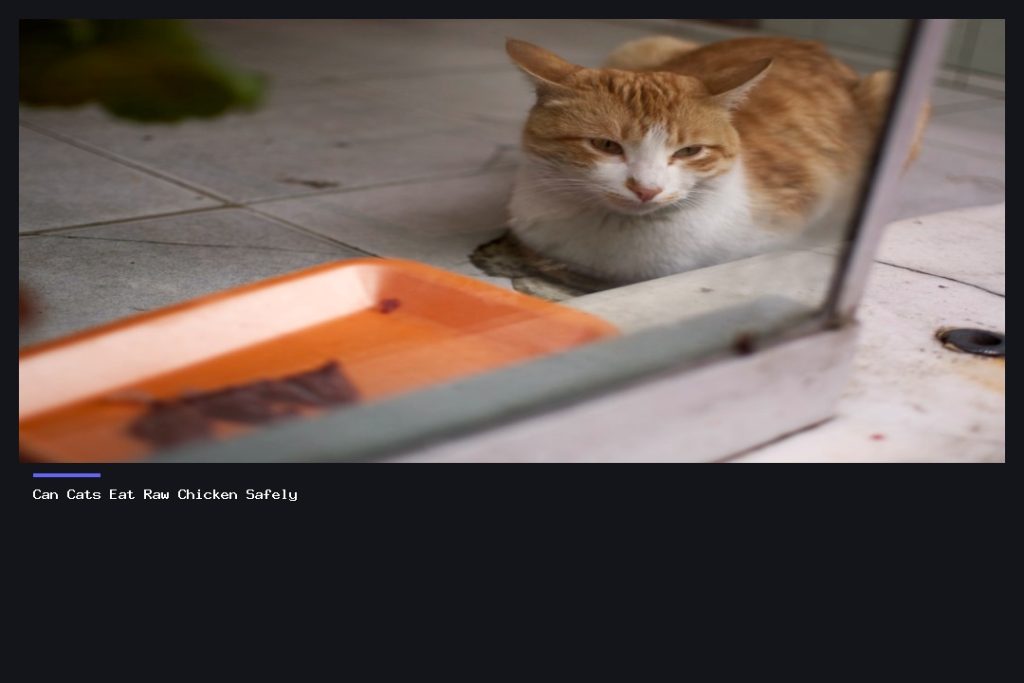
Cats can eat raw chicken safely when it is properly sourced, handled, and prepared. As obligate carnivores, cats are biologically equipped to digest raw meat. However, risks such as bacterial contamination from Salmonella require strict hygiene protocols. You should consult a veterinarian before starting a raw diet.
Health Benefits of Raw Chicken for Cats
One of the most talked-about raw chicken benefits for cats is a noticeable improvement in coat quality. Many owners who switch their cats to raw report shinier, softer, denser fur within just a few weeks — sometimes faster than expected. Raw chicken retains naturally occurring amino acids and fatty acids in forms the body can actually use, unlike heat-treated commercial foods where processing degrades these nutrients. Taurine, an essential amino acid cats can’t produce on their own, shows up in solid quantities in raw chicken and supports heart health, vision, and immune function.
Beyond the coat, owners and pet nutrition experts regularly notice better energy levels, muscle tone, and digestion in cats eating raw chicken — and the biology backs that up. Raw chicken closely mirrors the nutritional profile of prey animals wild cats eat, delivering a protein-dense, low-carbohydrate meal that supports lean muscle and steady energy. Cats have short, highly acidic digestive systems designed to move raw meat through quickly and efficiently. Dr. Karen Becker, a well-known integrative vet and raw diet advocate, has documented how cats on raw diets often show fewer signs of obesity, inflammation, and urinary tract problems.
Risks and Precautions When Feeding Raw Chicken
The risks of raw chicken for cats are real and should never be minimized. The biggest concern is bacterial contamination. Raw chicken is a well-documented carrier of dangerous pathogens including Salmonella, Campylobacter, Listeria, and E. Coli. A healthy adult cat’s highly acidic stomach offers some natural protection against these bacteria — but it’s not a foolproof barrier, especially for kittens, elderly cats, or cats with weakened immune systems. The FDA has issued multiple advisories warning pet owners about raw pet food diets, citing documented cases of illness in both animals and the humans who handle contaminated food.
Managing these risks takes a disciplined approach to food safety. You should always source raw chicken from reputable, human-grade suppliers and avoid feeding chicken that’s been sitting out at room temperature. Freezing raw chicken at -4°F (-20°C) for at least 72 hours before serving can significantly reduce harmful pathogens and parasites — though it won’t eliminate them entirely. Use dedicated cutting boards, utensils, and storage containers exclusively for raw pet food prep, and sanitize all surfaces with food-safe disinfectants after each use. Raw chicken bones present their own hazard too — while raw bones are generally safer than cooked ones, which can splinter dangerously, they still pose choking risks and should always be introduced under careful supervision and veterinary guidance.
Nutritional Analysis of Raw Chicken
A 100-gram serving of raw chicken breast delivers about 23 grams of protein, 2.6 grams of fat, and zero carbohydrates — making it one of the most nutrient-dense whole foods available for obligate carnivores. Raw chicken thighs offer a slightly higher fat content, around 7–8 grams per 100 grams, which provides extra energy and fat-soluble vitamins. Both cuts supply meaningful amounts of B vitamins, particularly niacin (B3) and pyridoxine (B6), which support nervous system function and red blood cell production in cats.
Raw chicken liver deserves special attention as a nutritional powerhouse within the raw diet. It contains exceptionally high concentrations of vitamin A, vitamin B12, iron, and copper — a nutrient density that’s hard to match with any single whole food. The Association of American Feed Control Officials (AAFCO) sets minimum nutrient profiles for complete cat diets, and raw chicken organs help meet several of those benchmarks naturally. Liver should make up no more than 5–10% of the total raw diet, though, since excess vitamin A can cause toxicity over time.
Phosphorus and calcium balance matters a lot in a raw chicken diet. Boneless raw chicken meat alone is high in phosphorus but low in calcium, which creates an imbalanced mineral ratio when fed exclusively. Including raw meaty bones — like chicken necks or wings — naturally corrects this by introducing calcium from bone material. Zinc and selenium, both present in raw chicken muscle meat, support immune function and act as antioxidants in the cat’s body.
Safe Preparation Methods
Use a dedicated meat thermometer and a separate color-coded cutting board reserved exclusively for raw pet food — this prevents cross-contamination from the very first step. Preparing raw chicken for cats demands the same food safety discipline as human meal prep, and in some ways even stricter practices. Cats eat directly from their bowls without any further cooking, so every handling mistake translates directly into a potential health risk.
Freezing and Thawing Protocols
Freeze raw chicken at 0°F (-18°C) or below for at least 72 hours before serving. This step significantly reduces parasites like Toxoplasma gondii and helps lower bacterial counts, though it doesn’t sterilize the meat entirely. The FDA’s Center for Veterinary Medicine recommends treating all raw pet food as a potential contamination source regardless of freezing history.
Thaw frozen raw chicken in the refrigerator at 40°F (4°C) or below — never on a countertop at room temperature. Room-temperature thawing accelerates bacterial growth rapidly. Once thawed, serve the chicken within 24 hours and discard any uneaten portions after 30 minutes. Never refreeze raw chicken that’s already been thawed, since repeated freeze-thaw cycles degrade both nutritional quality and food safety.
Hygiene and Equipment Standards
Sanitize all surfaces, bowls, and utensils with a diluted bleach solution — 1 tablespoon of unscented bleach per gallon of water — after every raw feeding session. Stainless steel bowls are strongly preferred over plastic, since plastic develops micro-scratches that harbor bacteria even after washing. Wash hands thoroughly with soap and warm water for at least 20 seconds before and after handling raw chicken.
Keep a separate set of knives, cutting boards, and storage containers labeled specifically for pet food prep. Color-coded kitchen tools, widely available at restaurant supply stores, make this separation easy to maintain consistently. Children and immunocompromised individuals in the household should avoid handling raw chicken pet food entirely — zoonotic bacterial transmission is a genuine concern that pet food safety guidelines consistently flag, and it’s a risk simply not worth taking.
Veterinary Insights on Raw Feeding
The American Veterinary Medical Association (AVMA) officially discourages raw protein diets for pets, citing documented risks of pathogen transmission to both animals and humans. This stance reflects a cautious, population-level public health position — not a blanket dismissal of raw feeding biology. Vets who specialize in feline nutrition often hold more nuanced views, acknowledging that a properly balanced raw diet can support excellent health outcomes when executed with real consistency.
Balancing Risks and Benefits in Clinical Practice
Dr. Karen Becker, an integrative wellness veterinarian and author of The Forever Dog, has argued publicly that the biological appropriateness of raw meat for cats is hard to dispute given their evolutionary history as strict carnivores. She draws a clear line between a thoughtfully formulated raw diet and simply tossing a cat a piece of grocery store chicken with no nutritional balance. Becker recommends working with a veterinary nutritionist to ensure the raw diet meets AAFCO nutrient profiles before moving a cat away from commercial food.
Conventional veterinary brands like Hill’s Science Diet and Purina have invested heavily in research supporting their cooked, commercially balanced formulas. Many general practice vets default to recommending these products partly because they remove the preparation variables that make raw feeding risky. Blue Buffalo has introduced minimally processed product lines that try to bridge the gap between raw and commercial feeding, though these products are still cooked and don’t replicate the bioavailability of a true raw diet.
Cats with specific health conditions need extra caution before any raw diet transition begins. Cats undergoing chemotherapy, those with chronic kidney disease, or cats diagnosed with pancreatitis should only switch to raw feeding under direct veterinary supervision. A baseline blood panel and urinalysis before starting a raw diet gives your vet a clear picture of your cat’s current health — and allows for meaningful comparison after 8–12 weeks on the new diet.
Common Misconceptions About Raw Diets
Cats in the wild consume raw prey daily, but that fact alone doesn’t resolve every concern raised about domestic raw feeding. Several persistent myths circulate online and even among well-meaning pet owners. Separating fact from fiction helps you make a genuinely informed decision for your cat.
Myth: Raw Diets Always Cause Bacterial Illness
Salmonella and Campylobacter contamination in raw chicken is real. But the claim that raw feeding inevitably makes cats sick overlooks some key feline biology. A cat’s gastrointestinal tract is much shorter than a human’s — about 4 feet compared to 25 feet in adult humans — which limits the window bacteria have to colonize and cause damage. Stomach acid pH in cats typically falls between 1 and 2, creating a hostile environment for many common pathogens that would thrive in a human gut.
Healthy adult cats with intact immune systems clear low-level bacterial exposure more efficiently than humans do. The FDA’s raw pet food safety guidance focuses heavily on human household members rather than the cats themselves, which reflects this biological difference. Kittens, elderly cats, and immunocompromised animals face genuinely elevated risk — applying that risk profile universally to all cats, though, misrepresents the science.
Myth: Raw Chicken Provides Complete Nutrition Alone
Plain raw chicken breast does not make a complete diet for cats. Muscle meat is low in calcium, lacks enough taurine to meet feline daily requirements of about 250 mg, and provides no Vitamin E or D3. Feeding chicken as the sole protein source without bone, organ meat, or supplementation creates nutritional deficiencies within weeks. AAFCO nutrient profiles require a minimum calcium-to-phosphorus ratio of 1:1, which plain chicken breast simply can’t achieve on its own.
A complete raw diet includes muscle meat, raw meaty bones for calcium, organ meat making up roughly 10–15% of the total diet, and targeted supplements. Dr. Karen Becker and other raw-feeding advocates consistently push this balanced approach rather than single-ingredient feeding. Using raw chicken as a treat or occasional supplement is nutritionally sound; treating it as a full meal replacement without proper formulation is not.
Myth: Commercial Food Is Always Safer Than Raw
Commercial pet food recalls happen regularly. Between 2018 and 2023, the FDA logged dozens of cat food recalls involving Salmonella contamination, elevated Vitamin D toxicity, and foreign material. Hill’s Science Diet issued a major Vitamin D toxicity recall in 2019 that affected dozens of canned food products. Safety is not a binary choice between raw and commercial — both categories carry risks that proper handling and sourcing can minimize.
Comparison of Raw Diets vs. Commercial Cat Foods
AAFCO sets minimum nutrient standards that all commercial cat foods must meet. Most mainstream brands like Purina Pro Plan and Blue Buffalo formulate their products to these exact benchmarks. Raw diets can also meet AAFCO standards, but the responsibility for hitting that balance shifts from a manufacturer’s quality control team directly to you.
Moisture Content and Hydration Differences
Raw chicken contains about 65–70% moisture by weight. Dry kibble averages just 8–10%. Cats evolved as desert animals with a low thirst drive — meaning they historically got most of their hydration from prey, not a water bowl. A raw diet naturally supports kidney function and urinary tract health by delivering consistent moisture with every meal. Cats on dry kibble frequently drink too little water, which contributes to the high rate of feline lower urinary tract disease seen in domestic cats.
Canned commercial foods from brands like Purina Fancy Feast or Hill’s Science Diet Wet formulas offer 75–82% moisture, making them a much closer match to raw diets on the hydration front. Many veterinary nutritionists recommend canned food as a practical middle ground for owners who want hydration benefits without the prep demands of raw feeding.
Digestibility and Bioavailability in Raw vs. Cooked Diets
Heat processing in commercial food production denatures proteins and destroys heat-sensitive enzymes. Raw chicken retains naturally occurring digestive enzymes and keeps protein structures in their unaltered form. Some veterinary nutritionists argue this improves digestibility and amino acid bioavailability — though controlled feline-specific studies on this remain limited compared to the canine research available.
Taurine destruction during cooking is a well-documented concern. The 1987 feline dilated cardiomyopathy crisis was directly tied to taurine deficiency in commercial cat foods, which pushed AAFCO to mandate minimum taurine levels in all formulated cat diets. Raw chicken heart, a common component in balanced raw diets, delivers exceptionally high taurine concentrations. This is one area where raw feeding holds a clear nutritional edge over heavily processed commercial options.
Transitioning Your Cat to a Raw Diet
A minimum 14-day transition period cuts down on digestive upset when introducing raw chicken to a cat used to commercial food. Abrupt dietary changes cause vomiting, loose stools, and food refusal in most cats — regardless of how good the new diet actually is.
The Gradual Mixing Method
Start by replacing 10% of your cat’s current food with raw chicken on days 1 through 3. Bump that up to 25% raw on days 4 through 6. Move to 50% raw on days 7 through 9, then 75% raw on days 10 through 12. By day 13 or 14, most cats handle a full raw meal without any digestive disruption. Watch stool consistency throughout the whole process. Firm, small, low-odor stools mean digestion is going well. Loose, watery, or mucus-coated stools are a sign the transition is moving too fast.
Some cats — especially those fed the same kibble for years — resist texture changes hard. Lightly searing the outside of raw chicken pieces while leaving the interior raw can help picky cats accept the new food. Gradually reduce cooking time over 10 more days until the cat accepts fully raw portions. Patience here prevents the headache of complete food refusal.
Supplements to Add From Day One
You should add taurine at 250–500 mg per day during any raw diet transition until organ meat is firmly established in the rotation. Salmon oil at 1,000 mg per day supports omega-3 intake and helps coat condition during the adjustment period (coat quality is often the first visible sign that a diet change is working). Add a feline-specific vitamin and mineral supplement like Alnutrin or Feline Instincts to cover micronutrient gaps while you refine the full formulation.
Schedule a vet check-in at the 8-week mark after transitioning. Bring a detailed food log showing daily ingredients and quantities. Your vet can run a blood panel to confirm that taurine levels, kidney values, and overall metabolic markers are all within healthy ranges. That checkpoint turns the transition from guesswork into a monitored nutritional adjustment with real data behind it.
Frequently Asked Questions
How often can you feed your cat raw chicken each week?
Raw chicken can work as daily protein in a balanced raw diet, or 3 to 4 times per week when rotating with proteins like turkey or rabbit. Rotating proteins prevents nutritional gaps — a habit most new raw feeders skip too quickly — and lowers the risk of food sensitivities developing over time. Every meal should hit the right ratio of muscle meat, organ meat, and bone, regardless of how often chicken shows up on the menu.
Can kittens eat raw chicken safely?
Kittens under 12 weeks old have still-developing immune systems, which makes raw feeding riskier for them than for healthy adult cats. Wait until at least 12 weeks before introducing raw chicken, and check with your vet before starting. Begin with very small amounts — about 1 teaspoon per meal — and watch closely for any digestive distress or lethargy along the way.
How do you know if your cat is reacting badly to raw chicken?
Watch for vomiting within 2 hours of eating, diarrhea lasting more than 24 hours, lethargy, or a sudden loss of appetite. Mild loose stools during the first week of transition are common and usually sort themselves out. Call your vet right away if you spot bloody stool, your cat stops eating entirely, or they hunch up and vocalize when touched near the belly.
Does freezing raw chicken kill all harmful bacteria before feeding it to your cat?
Freezing at 0°F for at least 72 hours reduces bacterial contamination but doesn’t wipe it out completely. It does kill certain parasites like Toxoplasma gondii effectively — but Salmonella and Listeria can survive frozen temperatures and stay viable after thawing. Always thaw raw chicken in the refrigerator rather than on the counter, and handle it with the same hygiene you’d use when prepping raw chicken for yourself.
Can senior cats transition to a raw chicken diet successfully?
Senior cats with healthy kidneys and solid immune function can make the switch to raw feeding. For cats over 10 years old, stretch the transition timeline out to 21 to 28 days so their digestive systems have enough time to adapt without stress.