Key Takeaways
- Chinese scientists successfully cloned an Arctic wolf named Maya, marking the first-ever cloning of this species in scientific history.
- The project was led by Sinogene Biotechnology in collaboration with partners, using somatic cell nuclear transfer (SCNT) technology.
- Maya was born from a domestic dog surrogate mother, demonstrating cross-species reproductive compatibility in cloning.
- The achievement represents a major milestone in genetic engineering in animals and conservation science.
- The cloning of Maya raises important questions about the ethics of animal cloning and its long-term impact on genetic diversity in wolves.
- This breakthrough could open new pathways for preserving endangered species and advancing China’s role in genetic research globally.
- Maya’s creation highlights both the promise and the controversy surrounding the future of animal cloning technologies.
Introduction to the Cloning of Arctic Wolf Maya
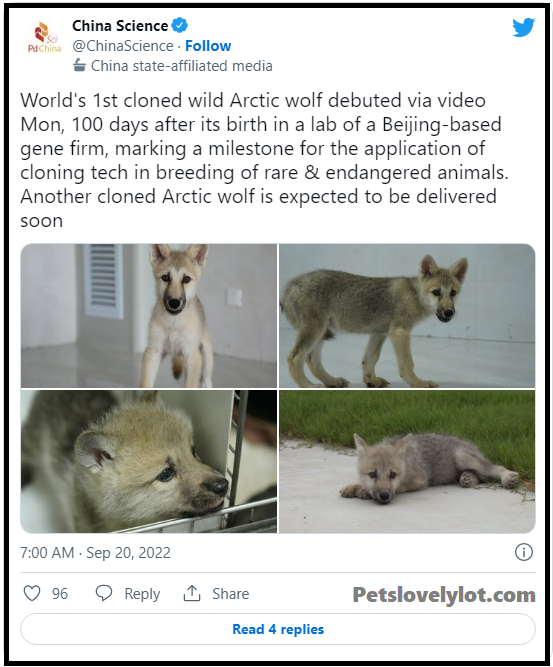
Chinese scientists made headlines worldwide when they successfully cloned an Arctic wolf — a healthy pup named Maya. Beijing-based Sinogene Biotechnology led the project, making this the first Arctic wolf clone in history and pushing genetic engineering in animals into bold new territory. Maya’s birth was announced in 2022, and she quickly became a symbol of scientific ambition and China’s growing role in genetic research. The achievement was celebrated as both a technological triumph and a potential turning point for conservation efforts for wolves and other endangered species.
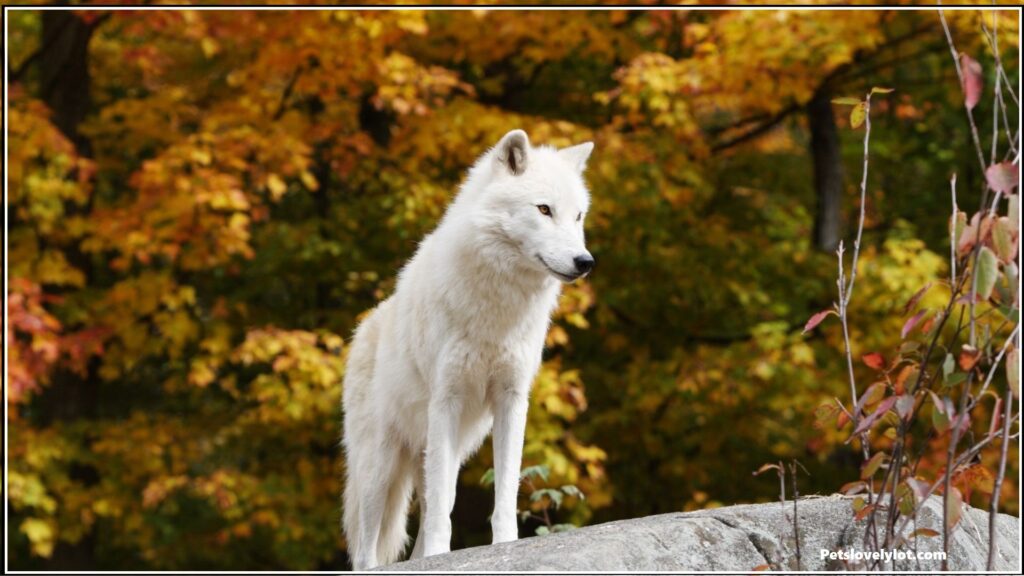
Arctic wolves (Canis lupus arctos) live in the remote Canadian Arctic and Greenland — one of the harshest environments on the planet. They aren’t currently classified as endangered, but their isolated habitat makes them especially vulnerable to climate change and human encroachment. Maya’s successful cloning showed that wild animal genetic material can be preserved and reproduced with remarkable accuracy, adding a powerful new tool to conservation efforts for wolves and other wildlife. Scientists, conservationists, and ethicists all took notice, sparking a global dialogue about the responsibilities that come with breakthroughs like this.
Maya the cloned wolf is the world’s first successfully cloned Arctic wolf, created by Chinese biotech company Sinogene Biotechnology using somatic cell nuclear transfer technology. Born via a domestic dog surrogate, Maya represents a landmark achievement in genetic engineering, conservation science, and China’s growing leadership in global genetic research.
The project drew intense media coverage — not just because of its novelty, but because it raised deep questions about biodiversity, animal cloning’s future, and the ethical weight scientists now carry. Maya’s story isn’t simply about one wolf pup. She’s a living testament to how fast life sciences are accelerating, and the world is still catching up to what that means.
The Science Behind Cloning Maya
Cloning Maya relied on a technically demanding process called somatic cell nuclear transfer (SCNT) — the same foundational technology that created Dolly the sheep in 1996. Scientists extract the nucleus from a somatic (non-reproductive) cell of the donor animal. In Maya’s case, that donor was an Arctic wolf. They then transfer that nucleus into an egg cell with its original nucleus removed. The reconstructed egg gets stimulated to start dividing, eventually developing into an embryo genetically identical to the donor wolf. Sinogene Biotechnology, working alongside Harbin Polarland (a wildlife park in northeastern China), refined this process specifically for a wild canid species.
One of the most remarkable aspects of Maya’s creation was using a domestic dog as the surrogate mother. Arctic wolves and domestic dogs share a close evolutionary relationship and compatible reproductive biology, so scientists could implant the cloned embryo into a female dog, who successfully carried Maya to term. This cross-species surrogacy sidesteps the enormous logistical difficulty of finding and using wild Arctic wolf surrogates. The surrogate dog gave birth to Maya on September 19, 2022. The pup was reported in good health, displaying physical characteristics consistent with Arctic wolf genetics. That success validated years of research and showed that cloning technology could extend meaningfully beyond lab animals and livestock into wild species.
The technical complexity stretched well beyond the nuclear transfer itself. Scientists had to clear significant hurdles around preserving and maintaining the viability of genetic material from the donor wolf, optimizing cell culture conditions, and carefully managing the surrogate pregnancy. The Chinese Academy of Sciences and associated research institutions contributed expertise in genomics and reproductive biology. Their involvement helped ensure the cloned embryo developed correctly and that Maya’s genetic profile accurately represented her Arctic wolf donor. Advanced genomic sequencing verified the fidelity of the cloning process, confirming Maya’s DNA matched the donor wolf with high precision.
Beyond the mechanics, Maya’s creation showed real advances in the broader field of genetic engineering in animals. Sinogene Biotechnology had previously made headlines cloning domestic dogs and cats for pet owners. This time, they applied and adapted that commercial cloning infrastructure to a wild species at a scale not attempted before. Researchers on the project noted that lessons from Maya’s creation would inform future attempts to clone other wild canids and potentially other threatened mammals.
Characteristics and Traits of Arctic Wolves
Arctic wolves belong to the subspecies Canis lupus arctos, a distinct lineage of gray wolf built to survive in some of Earth’s most extreme environments. They inhabit the Canadian Arctic Archipelago, northern Greenland, and parts of Alaska, enduring temperatures that routinely drop below -30°C in winter. Unlike many other wolf subspecies, Arctic wolves have had relatively limited contact with humans — which makes them valuable subjects for studying wolves in a near-pristine ecological context.
Their physical adaptations are striking. Arctic wolves typically weigh between 32 and 70 kilograms, with thick double-layered coats that insulate against brutal polar winds. Their fur is almost entirely white, serving as camouflage against snow-covered terrain during hunts. Ears are smaller and more rounded than those of gray wolves in temperate zones, reducing heat loss. Wide, padded paws distribute weight across snow and ice, functioning almost like natural snowshoes. These traits evolved over thousands of generations.
Diet and Hunting Behavior of Arctic Wolves
Arctic wolves are apex predators that primarily hunt musk oxen and Arctic hares, supplementing their diet with caribou, lemmings, and birds when larger prey is scarce. A single pack can consume an entire musk ox carcass within hours. Pack sizes typically range from two to twenty individuals, with cooperative hunting strategies that let them take down prey several times their own size.
Their hunting range is enormous. A single Arctic wolf pack may patrol a territory exceeding 2,600 square kilometers — one of the largest territorial ranges recorded among wolf subspecies globally. That vast range reflects the low prey density of Arctic ecosystems. Unlike wolves in more temperate regions, Arctic wolves rarely compete with human agricultural interests, which has contributed to their relative population stability. The IUCN Red List currently classifies Arctic wolves as Least Concern, though climate change is altering prey availability in ways researchers are actively monitoring.
Social Structure and Reproductive Biology
Arctic wolf packs run on a strict social hierarchy, with an alpha pair responsible for most reproduction within the group. Breeding season falls between January and March, and litters typically contain two to three pups — smaller than those of many other wolf subspecies. That lower reproductive rate makes population recovery slow when numbers decline, which is one reason scientists see cloning technology as a potentially useful conservation tool for this and related subspecies.
Pups are born in dens excavated from permafrost or sheltered rocky outcroppings. The entire pack participates in raising young, with subordinate members regurgitating food for pups and standing guard against predators. This cooperative rearing behavior is well-documented by researchers at organizations including the International Wolf Center, which has tracked Arctic wolf behavior across multiple decades. Understanding these social dynamics matters for cloning research because a cloned wolf like Maya must eventually be evaluated not just for physical health, but for behavioral compatibility with wild pack structures if any future rewilding application is ever considered.
Ethical Considerations in Animal Cloning
Sinogene Biotechnology’s creation of Maya sparked immediate debate among conservation biologists, bioethicists, and animal welfare organizations worldwide. The core tension is straightforward: cloning offers a potential tool for preserving genetic material from threatened species, but it also raises hard questions about animal welfare, resource allocation, and the long-term shape of biodiversity management.
Animal cloning carries significant procedural risks for surrogate animals. The surrogate dog used to carry Maya underwent hormonal stimulation protocols and surgical embryo transfer procedures. Cloning success rates across species remain low — a reality that rarely makes the headlines when a birth like Maya’s is announced. In cattle and domestic dogs, failed pregnancies, stillbirths, and developmental abnormalities occur at rates far higher than in natural reproduction. Critics argue that putting healthy domestic animals through these procedures for wild species cloning raises serious welfare concerns that must be weighed honestly against the stated conservation benefits.
Conservation Value Versus Resource Allocation
Arctic wolves are not currently endangered, which makes Maya’s creation genuinely controversial among conservation scientists. Many specialists argue that the financial and technical resources poured into high-profile cloning projects would deliver greater conservation impact if redirected toward habitat protection, anti-poaching enforcement, or captive breeding programs for critically endangered species. A single cloned animal can cost hundreds of thousands of dollars to produce — funds that some habitat conservation organizations operate without for entire annual budgets.
Supporters of the project counter that Maya represents proof-of-concept work. Cloning an Arctic wolf, a species with a relatively well-understood genome and manageable reproductive biology, lets scientists refine techniques that could later apply to animals on the brink of extinction. The Chinese Academy of Sciences has framed Maya’s creation as foundational research rather than a direct conservation intervention. That distinction shifts the ethical calculus somewhat, but it doesn’t fully resolve the resource allocation debate.
Genetic Diversity and the Limits of Cloning
Cloning produces genetically identical copies of a single donor animal. That means it cannot generate new genetic diversity within a population. Genetic diversity is the raw material of evolutionary adaptation. A population rebuilt primarily through cloning would carry the same vulnerabilities as the original donor, leaving it exposed to diseases, environmental shifts, or pathogens that a genetically diverse population might collectively resist. Bioethicists at institutions including the Hastings Center have flagged this limitation as a fundamental constraint on cloning’s conservation utility.
The ethical conversation around Maya also touches on ecological authenticity. A cloned wolf raised in a wildlife park like Harbin Polarland develops in a fundamentally different environment than a wild-born Arctic wolf. Behavioral imprinting, social learning, and survival skills all depend on early environmental exposure. Whether a cloned individual could ever be successfully reintegrated into a wild population remains an open scientific question — one that researchers involved in Maya’s development acknowledge will require years of additional study to address responsibly.
Impact on Biodiversity and Conservation
Sinogene Biotechnology’s creation of Maya gives conservation biologists a concrete case study for evaluating cloning’s actual role in biodiversity strategy. The debate is no longer theoretical. A living, breathing Arctic wolf now exists as proof that somatic cell nuclear transfer can produce viable wild canids, and that fact forces researchers to reassess where cloning fits within the broader toolkit of species preservation.
Arctic wolves currently occupy a stable ecological niche across the Canadian High Arctic and northern Greenland. Their populations face pressure from climate-driven habitat shifts and reduced prey availability rather than direct hunting or habitat destruction. Introducing cloning into this context raises a pointed question: does replicating existing genotypes address the actual threats wolves face, or does it create the illusion of conservation progress while core ecological problems go unresolved?
Cloning as a Genetic Insurance Policy
Frozen genetic material from Maya’s donor now sits in Sinogene’s biobank — a stored blueprint that could theoretically be reactivated if Arctic wolf populations suffered catastrophic decline. This concept, sometimes called a “frozen zoo” approach, has genuine precedent. The San Diego Zoo Wildlife Alliance maintains the Frozen Zoo, a biorepository holding genetic material from over 10,000 individual animals across more than 1,000 species. Sinogene’s work with Maya extends that logic by demonstrating that stored Arctic wolf DNA can produce a living animal, not merely preserve genetic sequences on ice.
The practical value of this insurance depends entirely on future cloning success rates improving substantially. Current rates for canid cloning hover around 2 to 5 percent of implanted embryos reaching full term. At those rates, producing a genetically meaningful population from banked samples would demand enormous numbers of surrogate animals and embryo transfer procedures. Conservation-scale outcomes through cloning alone remain a distant target, but each successful birth like Maya’s moves that target incrementally closer.
Biodiversity Risks of Genetic Homogeneity
Cloning multiple individuals from a single donor creates populations with zero genetic variation between cloned members. For wolves, pack survival depends on behavioral diversity, immune variation, and adaptive flexibility across individuals. A pack of genetic duplicates would respond identically to novel pathogens or environmental stressors, creating a single point of failure across the entire group. Population geneticists at institutions including the IUCN Species Survival Commission consistently flag minimum viable population thresholds that require substantial allelic diversity — thresholds that cloning alone cannot meet.
The realistic application of cloning for wolves therefore involves hybridizing cloned individuals with naturally reproducing populations rather than building cloned-only groups. Maya’s long-term scientific value may lie precisely in this hybrid model. Researchers can study how a cloned wolf integrates socially and reproductively with non-cloned individuals, generating data that informs future multi-species cloning programs designed to supplement rather than replace natural populations.
China’s Role in Genetic Research and Innovation
China produced the world’s first cloned primate, Zhong Zhong, at the Chinese Academy of Sciences Institute of Neuroscience in Shanghai in January 2018. That milestone came five years before Maya’s creation and set a clear institutional trajectory. China has poured resources into biotechnology infrastructure at a scale few nations can match — a commitment that’s now paying off across multiple species and research domains.
Sinogene Biotechnology, founded in 2014 and headquartered in Beijing, serves as the commercial engine behind much of China’s animal cloning output. The company cloned China’s first dog in 2017, a beagle named Longlong, and has since expanded into cattle, horses, and now wild canids. Sinogene’s partnership with Harbin Polarland on the Maya project follows a broader pattern: Chinese biotech firms teaming up with zoological institutions to advance applied genetic research while generating public milestones that showcase national scientific capability.
State Investment and Scientific Infrastructure
China’s National Medium and Long-Term Plan for the Development of Science and Technology directed billions of yuan specifically toward biotechnology between 2006 and 2020. That sustained funding built laboratory networks, trained specialist researchers, and drove down the cost barriers that once limited large-scale cloning to a handful of Western institutions. The Chinese Academy of Sciences alone runs over 100 research institutes employing more than 60,000 researchers — giving Chinese genetic science an institutional depth that speeds up experimental iteration considerably.
That infrastructure advantage explains why Chinese labs moved from primate cloning to wild species cloning within a single decade. Western research programs face more fragmented funding cycles and tighter regulations around embryo manipulation and surrogate animal use. China’s regulatory framework, still evolving, has allowed faster movement from laboratory technique to applied experiment. Maya’s birth reflects that structural advantage as much as any individual scientific breakthrough.
Implications for Future Cloning Programs Worldwide
China’s cloning achievements put real competitive pressure on research institutions in the United States, Europe, and South Korea to speed up their own programs or pursue collaborative frameworks. South Korea’s Sooam Biotech, led by Hwang Woo-suk, pioneered commercial dog cloning and has cloned over 1,000 dogs. But Sinogene’s pivot toward wild species is a strategic expansion Sooam hasn’t yet matched at scale. The competition between these programs will likely push technical improvements in embryo viability and surrogate success rates throughout the next decade.
For global conservation science, China’s proven ability to clone wild animals means species-specific cloning programs are no longer just theoretical proposals. These are achievable projects now — ones that need funding decisions, ethical frameworks, and international governance agreements rather than more proof of concept. Maya’s existence speeds up those conversations and places China at the center of a scientific domain that will shape wildlife management strategy for generations to come.
Potential Applications and Future of Animal Cloning
Cloning technology already has 14 documented wild species attempts on record, and that number is climbing fast as somatic cell nuclear transfer protocols get more standardized across labs. Maya’s successful birth at Harbin Polarland in 2022 expanded the practical template for cloning wild canids. Researchers now have a replicable workflow they can adapt for other endangered or vulnerable species. The implications stretch well beyond wolf conservation into agriculture, biomedical research, and ecosystem restoration.
Conservation and Species Recovery Programs
The San Diego Zoo Wildlife Alliance maintains the Frozen Zoo, a cryogenic biobank holding genetic material from over 10,000 individual animals across more than 1,000 species. Cloning transforms that archive from a passive record into an active recovery tool. Cells stored decades ago could theoretically produce living animals — a possibility that would have seemed far-fetched just twenty years ago — provided researchers can identify suitable surrogate species and optimize embryo transfer protocols for each target animal.
The northern white rhinoceros program offers the most urgent real-world test case. Only two individuals remain, both female, making natural reproduction impossible. The BioRescue consortium, coordinated by the Leibniz Institute for Zoo and Wildlife Research in Berlin, is actively pursuing embryo transfer and assisted reproduction techniques that overlap significantly with the cloning methods Sinogene Biotechnology applied to Maya. Success with Arctic wolf cloning strengthens the scientific case for investing in similar programs for the northern white rhino and other critically endangered megafauna.
Beyond individual species, cloning could support genetic diversity management in fragmented wild populations. Small, isolated wolf packs in Europe and North America suffer from inbreeding depression. Introducing cloned individuals with distinct genetic profiles could supplement genetic diversity without the logistical headaches of physically translocating animals across international borders.
Agricultural and Biomedical Uses of Cloning Advances
Agricultural cloning of elite livestock has been commercially active since Dolly the sheep’s birth in 1996 at the Roslin Institute in Edinburgh. Sinogene Biotechnology and competing firms now offer cattle cloning services targeting animals with superior milk yield, disease resistance, or meat quality genetics. The refinements developed during wild species cloning projects feed directly back into agricultural applications — a cross-pollination of research that most coverage of Maya completely ignored — improving embryo viability rates and cutting the number of surrogate animals needed per successful birth.
Biomedical research stands to benefit through the production of genetically identical animal cohorts for drug testing. Identical subjects eliminate genetic variability as a confounding factor, producing cleaner experimental data and reducing total animal numbers per study. The Chinese Academy of Sciences cloned macaque monkeys in 2018 specifically to create such research cohorts. Maya’s cloning adds to the growing body of evidence that wild animal genetics can be preserved and reproduced with enough precision to support serious scientific work.
The Road Ahead for Cloning Technology
Artificial womb technology represents the next frontier that could remove the surrogate animal requirement entirely. Several research groups in Japan and the United States are developing ectogenesis systems for mammals. Successful implementation would eliminate one of the primary ethical objections to large-scale cloning programs. Paired with improved gene editing tools like CRISPR-Cas9, future cloning programs could not only reproduce existing genetics but also correct inherited disease mutations before implantation.
The IUCN Red List currently documents over 40,000 species as threatened with extinction. Cloning cannot address habitat destruction, climate change, or poaching on its own, but it provides a biological safety net that buys time for broader conservation strategies to take effect. Maya’s existence proves that safety net is no longer theoretical.
Public Perception and Media Coverage
Global media outlets covered Maya’s birth in January 2022 with headlines ranging from celebratory to deeply skeptical, reflecting the polarized response that animal cloning consistently generates. BBC News, Reuters, and CNN all ran feature stories within 48 hours of Sinogene Biotechnology’s announcement, reaching audiences across six continents. That speed confirmed cloning remains one of the few scientific topics capable of generating immediate mainstream attention.
Enthusiasm, Skepticism, and the Ethics Debate in Public Discourse
Conservation organizations split noticeably in their public responses. Groups focused on habitat preservation expressed concern that cloning headlines divert public attention and donor funding away from protecting the ecosystems wolves actually need to survive. Organizations more aligned with biotechnology-driven conservation, including some affiliated with the Chinese Academy of Sciences, framed Maya as a proof of concept that expands the available toolkit for species protection.
Social media amplified both reactions at once. On Weibo, China’s largest social platform, Maya generated over 200 million topic views within the first week of the announcement. Chinese users largely expressed national pride and scientific optimism. On Twitter and Reddit, international users debated cloning ethics with considerably more division, with threads frequently referencing Michael Crichton’s Jurassic Park as cultural shorthand for cloning gone wrong. That fictional reference, decades after the novel’s publication, shows how deeply popular culture shapes public intuition about genetic science.
Media Framing and Scientific Literacy Challenges
Many news reports conflated cloning with de-extinction, describing Maya as a step toward resurrecting extinct species. Arctic wolves are not extinct, making that framing technically inaccurate. The confusion reflects a broader scientific literacy gap that science communicators at institutions like Sinogene Biotechnology and Harbin Polarland need to actively address. Accurate public understanding of cloning’s real capabilities and limitations shapes the policy environment where future research funding decisions get made.
Responsible media coverage matters because public perception directly shapes regulatory frameworks — a dynamic that rarely gets discussed when journalists chase the most dramatic angle. Countries considering legislation on animal cloning look to public opinion as one input among many. When coverage consistently frames cloning as either a miracle solution or a reckless experiment, it crowds out the nuanced policy conversations that scientists and ethicists are actually having. Maya’s story gives science communicators a specific, accessible example to use when explaining both the genuine promise and the real constraints of current cloning technology.
Frequently Asked Questions
How long did it take to successfully clone Maya the Arctic wolf?
The cloning process that produced Maya took about two years of active development. Sinogene Biotechnology began somatic cell nuclear transfer work in 2020, and Maya was born in June 2022. This timeline reflects the enormous resource investment required for a single successful wild animal cloning — a scale most people don’t fully appreciate until they see the numbers. The process involved over 130 embryo transfer attempts before achieving a viable birth.
Can cloning replace traditional conservation methods for wolves?
Cloning cannot replace habitat protection, anti-poaching enforcement, or wild population management. No credible conservation scientist argues that it should. Wolf conservation still centers on preserving the Arctic and subarctic ecosystems that wolves depend on for prey and territory. Cloning works as a supplementary genetic tool, not a standalone strategy.
How Does Cloning an Arctic Wolf Differ From Cloning a Domestic Dog?
Arctic wolf cloning presents far greater technical challenges than cloning a domestic dog. Wild canid reproductive biology is less thoroughly documented and harder to control in a lab setting. An Arctic wolf’s estrus cycle is less predictable than a domestic dog’s. Sinogene Biotechnology used a domestic dog as the surrogate for Maya, which required careful cross-species embryo compatibility work.
Is Maya the cloned Arctic wolf able to reproduce naturally?
Sinogene Biotechnology has not published confirmed data on Maya’s reproductive status as of the most recent available reports, so the question remains scientifically open. Cloned animals generally retain normal reproductive capacity, as Dolly the sheep demonstrated by giving birth to six lambs.
Which other endangered species are candidates for cloning programs similar to Maya’s?
The northern white rhinoceros, the Amur leopard, and the vaquita porpoise are among the species most cited in scientific literature as candidates for assisted reproduction and cloning programs. To follow these efforts directly, the BioRescue consortium’s published research on northern white rhino embryo development offers the most detailed current roadmap. Maya’s successful birth strengthens both the scientific and funding arguments for pushing these programs toward active trials.
Does cloning produce an animal that is genetically identical in every way?
A cloned animal shares the same nuclear DNA as its genetic donor but can differ in mitochondrial DNA, epigenetic expression, and physical development — shaped by the surrogate mother’s biological environment in ways researchers are still working to fully understand. Maya, while genetically matched to her donor wolf, will develop her own behavioral patterns and physical traits based on her specific rearing conditions at Harbin Polarland. Genetic identity does not mean biological or behavioral identity in any absolute sense.