Key Takeaways
- Long-haired cats need daily or near-daily brushing to prevent painful mats and tangles that can lead to skin infections.
- Investing in the right cat grooming essentials — including a FURminator, slicker brush, and wide-tooth comb — makes home grooming significantly easier and more effective.
- Regular feline coat health maintenance reduces hairball frequency and keeps your cat comfortable year-round.
- De-shedding tools and a cat grooming glove are excellent additions to your home grooming toolkit for managing excess fur.
- Establishing a consistent cat grooming schedule from kittenhood helps your cat become more cooperative and less stressed during sessions.
- Pet-safe shampoo and proper detangling cat fur techniques are essential for safe, stress-free bath time for cats.
Owning a long-haired cat is a deeply rewarding experience — their flowing coats and majestic appearance are genuinely stunning. That beautiful fur comes with real responsibility, though. Unlike short-haired breeds, long-haired cats like Maine Coons, Persians, and Ragdolls need consistent, attentive grooming to stay healthy, comfortable, and mat-free. With the right knowledge and tools, you can handle most of this care at home, saving money and strengthening your bond with your feline companion.
DIY grooming for long-haired cats involves daily brushing with the right tools, regular detangling, periodic bathing with pet-safe shampoo, and nail trimming. Consistent home grooming prevents painful mats, reduces hairballs, and supports overall feline coat health, keeping your long-haired cat comfortable, clean, and looking their best year-round.
Understanding Long-Haired Cat Grooming Needs
Long-haired cats have a fundamentally different coat structure from their short-haired counterparts. Their fur — which can range from two to six inches long — has multiple layers, including a dense undercoat and longer guard hairs on top. This layered structure is beautiful but highly prone to tangling, matting, and trapping debris, dander, and loose fur. Without regular attention, mats tighten against the skin and cause real discomfort. Restricted movement and painful skin irritations or infections beneath the surface can follow. Long-haired cat care is a genuine health priority, not just a cosmetic one.
Beyond matting, long-haired cats shed considerably more than short-haired breeds. Because their loose hairs are longer, cats ingest more of them during self-grooming — which raises the risk of hairball formation and, in serious cases, intestinal blockages. Regular brushing dramatically cuts down on the fur your cat swallows, directly supporting their digestive health. That makes home grooming a vital part of your cat’s overall wellness routine.
Different long-haired breeds also have slightly different coat textures and grooming demands. Persian cats have extremely dense, fine fur that mats very easily and often needs daily attention. Maine Coons, on the other hand, have a coarser, more water-resistant coat that’s somewhat less prone to tangling — but still benefits from frequent brushing. Understanding your specific cat’s coat type helps you tailor your approach and choose the most effective cat hygiene solutions for their needs. Regardless of breed, consistent and gentle grooming is non-negotiable for long-haired felines.
Starting grooming habits early makes an enormous difference in how cooperative a cat becomes as an adult. Kittens introduced gently to brushing, paw handling, and brief grooming sessions tend to grow into adults who tolerate — and sometimes even enjoy — the process. If you have an older cat who missed that early foundation, patience and positive reinforcement with treats and praise are your best tools. Never rush a session, and always end on a positive note to build trust and make the next session a little easier for both of you.
Essential Tools for DIY Cat Grooming
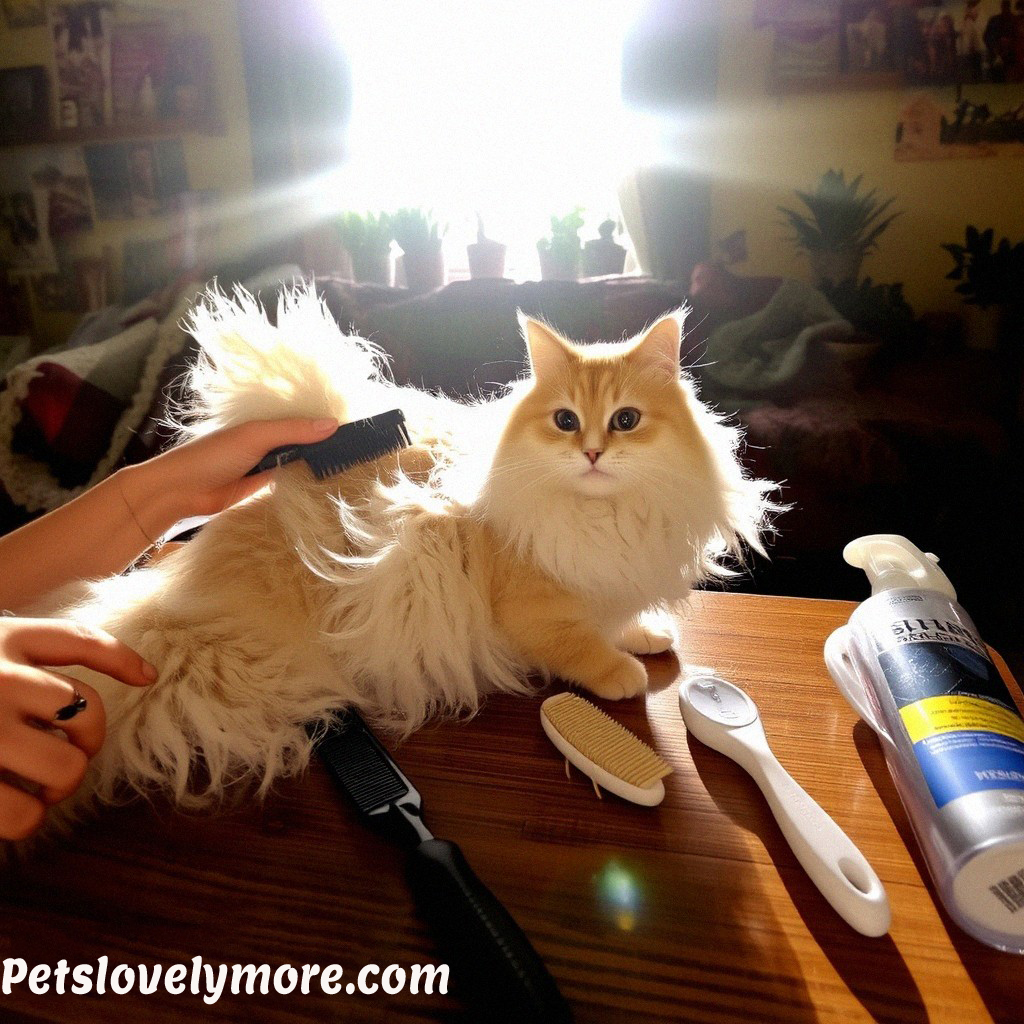
Having the right tools before you begin makes all the difference in a successful home grooming routine. The most fundamental tool for any long-haired cat owner is a high-quality slicker brush, such as the widely trusted Pet Grooming Slicker Brush. This type of brush features fine, short wire bristles set into a flexible pad — a design detail that makes it surprisingly effective at smoothing the topcoat while pulling out loose fur. A slicker brush should be your first contact during most grooming sessions. It helps detangle surface-level knots before you move deeper into the coat with more specialized tools. Look for one with a comfortable, ergonomic handle to reduce hand fatigue during longer sessions.
For managing a dense undercoat and tackling serious shedding, a dedicated de-shedding tool is non-negotiable. The FURminator is perhaps the most recognized name in this category, and for good reason — its stainless-steel edge reaches deep into the undercoat to remove loose, dead fur without damaging the healthy topcoat. Using a FURminator regularly can reduce shedding by up to 90 percent. That means less fur on your furniture and, more importantly, less fur your cat ingests during self-grooming. The Andis brand also offers excellent professional-grade grooming tools, including undercoat rakes and shedding blades well-suited for thick, long coats (which tend to mat fastest in humid weather).
Beyond brushes and de-shedding tools, a wide-tooth metal comb is an essential part of your home grooming kit. Metal combs work especially well for detangling fur in sensitive spots — behind the ears, under the armpits, around the collar region, and along the belly, where mats tend to form most aggressively. A cat grooming glove is another versatile option, particularly useful for cats who get nervous around traditional brushes. These gloves mimic the sensation of being petted while collecting loose fur at the same time. They’re a genuinely smart way to ease anxious cats into a regular grooming routine. For bath time, you should use a gentle, pet-safe shampoo formulated specifically for felines, since human shampoos can disrupt a cat’s natural skin pH and cause irritation.
Rounding out your toolkit: a pair of cat nail clippers or a small nail grinder for trimming cat nails, blunt-tipped grooming scissors for removing stubborn mats that can’t be brushed out, and a fine-tooth flea comb for periodic parasite checks. Stainless steel tools generally beat plastic for durability and ease of cleaning. Keeping your tools free of accumulated fur between uses extends their lifespan — and stops you from reintroducing dirt or bacteria to your cat’s coat during the next session. Store everything together in a dedicated grooming caddy so you’re always ready when grooming day rolls around.
Step-by-Step Guide to Grooming
Set up your grooming station before bringing your cat over — a non-slip mat on a stable table or countertop gives your cat secure footing and cuts down on anxiety. Gather your slicker brush, wide-tooth metal comb, FURminator, pet-safe shampoo, blunt-tipped scissors, and nail clippers in one spot. Having everything within reach stops you from abandoning your cat mid-session to hunt for a tool. Choose a time when your cat is naturally calm, like after a meal or a nap, and keep early sessions short — five to ten minutes — to build positive associations without overwhelming them.
Begin every session with a full-body visual inspection. Run your hands gently along your cat’s coat, feeling for lumps, skin irritation, flea dirt, or early-stage mats. Pay close attention to the armpits, groin, behind the ears, and base of the tail — these spots tangle fastest. Spotting problem areas before you start brushing lets you adjust your approach and avoid accidentally pulling on a hidden knot.
Brushing and Detangling the Coat
Start with the slicker brush, working in the direction of hair growth using short, gentle strokes. Begin at the head and work toward the tail, then tackle the sides and belly last. The belly and inner legs tend to be the most sensitive spots, so move slowly there. Hold the fur at the root with your free hand when working through a tangle — this anchors the coat and keeps the brush from yanking the skin.
Once the slicker brush handles surface-level knots, switch to the wide-tooth metal comb to work deeper into the coat. The comb catches any remaining tangles the brush missed. For stubborn mats, never yank or pull. Instead, apply a small amount of a detangling spray made for cats, such as Bio-Groom Super Cream Detangler, and work the mat apart with your fingers before using the comb. If a mat sits tight against the skin, use blunt-tipped scissors to carefully cut it out rather than risk tearing the skin. Finish the brushing phase with the FURminator, using light, even strokes to pull out loose undercoat fur. Limit FURminator use to once or twice per week — overuse can thin the topcoat.
Bathing Your Long-Haired Cat
Most long-haired cats benefit from a bath every four to six weeks, according to grooming guidelines published by The International Cat Association (TICA). Fill a sink or small tub with two to three inches of warm water — about 100°F works comfortably for most cats. Use a handheld sprayer or a cup to wet the coat thoroughly, working from the neck back. Avoid spraying water directly on the face; use a damp cloth to clean the head instead.
Apply a pet-safe shampoo made for felines, such as Burt’s Bees Hypoallergenic Shampoo for Cats, which keeps the skin’s natural pH balance intact. Massage it gently into the coat, working from the spine outward. Rinse completely — shampoo residue left in the coat can cause skin irritation and attract dirt faster. Follow with a cat-specific conditioner to restore moisture and make post-bath brushing easier. Towel-dry your cat thoroughly, then use a low-heat pet dryer or a standard hair dryer on the lowest heat setting — held at least 12 inches from the coat — while continuously brushing to keep the fur from drying in clumps.
Trimming Nails and Finishing Touches
Trim your cat’s nails every two to three weeks using a sharp pair of cat nail clippers. Hold the paw gently, press the pad to extend the nail, and clip only the clear, curved tip — staying well away from the pink quick, which holds blood vessels and nerves. Cutting the quick causes pain and bleeding, so when in doubt, take off less. The ASPCA recommends keeping styptic powder nearby to stop any accidental bleeding right away.
Finish the session by checking and gently wiping the ears with a cotton ball dampened with a vet-approved ear cleaner. Reward your cat with a treat immediately after grooming to reinforce calm behavior. Consistent positive endings make each next session easier for both of you.
Preventing and Managing Hairballs
Long-haired cats swallow far more fur during self-grooming than short-haired breeds — which makes hairball prevention a direct extension of your grooming routine. Regular brushing is the single most effective prevention strategy. Removing loose fur before your cat ingests it cuts hairball formation dramatically. Aim for daily brushing during peak shedding seasons, typically spring and fall, when cats shed their seasonal undercoats most heavily.
Dietary support plays a strong role here too. Hairball-control cat foods, such as Hill’s Science Diet Adult Hairball Control, contain higher fiber levels that help move ingested fur through the digestive tract rather than letting it pile up in the stomach. Adding a small amount of plain canned pumpkin — about one teaspoon per meal — provides extra soluble fiber with the same effect. Petroleum-based hairball remedies like Laxatone are also widely used and can be given two to three times per week as a preventive measure, or daily when a cat is actively struggling to pass a hairball.
Hydration supports the entire digestive process. Cats that drink more water move ingested fur through their systems more efficiently. Switching partially or fully to wet food raises daily fluid intake without requiring your cat to drink more from a bowl. A cat water fountain, which keeps water circulating continuously, encourages more frequent drinking and supports healthy gut motility. If your cat vomits hairballs more than once or twice per month despite preventive measures, schedule a vet evaluation — frequent hairballs can sometimes point to an underlying gastrointestinal issue that grooming and diet adjustments alone won’t fix.
Maintaining a Grooming Schedule
Daily brushing is the single most important task for long-haired cats — especially breeds like Maine Coons, Persians, and Ragdolls, whose coats can mat within 48 hours without attention. Use a slicker brush or a FURminator Long Hair deShedding Tool each day to remove loose fur and stop tangles before they tighten into painful knots. Sessions as short as five minutes per day are enough to keep the coat healthy between deeper grooming appointments.
Beyond daily brushing, schedule a full detangling session with a wide-tooth metal comb every three to four days. This deeper pass catches any undercoat buildup a surface brush misses. Once per week, inspect the coat thoroughly for mats, check the skin for redness or parasites, and clean around the eyes with a damp cotton pad to remove tear staining — a common issue in flat-faced breeds like Persians.
Monthly and Seasonal Task Frequency
Nail trimming should happen every two to three weeks, as covered in the previous section. Bathing a long-haired cat every four to six weeks keeps the coat clean and reduces allergen buildup without stripping the skin’s natural oils. The Cornell Feline Health Center notes that cats with skin conditions or heavy outdoor access may need more frequent baths, so adjust based on your cat’s individual needs.
During spring and fall shedding seasons, bump brushing up to twice daily if you can. Seasonal coat blowouts can double or triple the volume of loose fur your cat produces — a detail that catches a lot of owners off guard the first time it happens. Switching to a de-shedding tool like the Andis Premium Pet Deshedder during these periods helps manage the surge efficiently.
Safety Tips for At-Home Grooming
Always groom your cat on a non-slip surface — a rubber mat on a table or counter works perfectly. Cats that slip or feel unstable get anxious fast, and anxious cats are unpredictable. Secure footing reduces stress and lowers the risk of sudden movements that could cause accidental cuts during nail trimming or scissor work.
Keep all grooming tools out of reach between sessions. Clippers, scissors, and nail trimmers are a real hazard if a curious cat knocks them off a surface. Store everything in a closed case or drawer right after use. Check every tool before each session for damage — a bent slicker brush pin or a dull nail clipper blade causes discomfort and increases the risk of snagging fur or crushing the nail rather than cutting it cleanly.
Handling Stress and Preventing Injury
Learn to read your cat’s stress signals before they escalate. A lashing tail, flattened ears, dilated pupils, and skin rippling along the back are all early warnings. Stop the session immediately when you see these signs. Pushing a highly stressed cat through grooming raises the risk of bites and scratches — and it builds negative associations that make every future session harder than the last.
Use a grooming bag or wrap for cats that resist nail trimming. A purpose-made cat restraint bag, such as those sold by Coastal Pet Products, lets you access one paw at a time while keeping the rest of the body securely enclosed. This prevents sudden full-body thrashing and protects both you and your cat. Never scruff an adult cat as a primary restraint method during grooming. The American Veterinary Medical Association advises against routine scruffing because it triggers significant fear and stress responses in most adult cats — a guideline many well-meaning owners simply aren’t aware of.
Choosing Pet-Safe Products to Protect Coat and Skin
Never use human shampoo, dish soap, or essential oil-based products on your cat. Cats metabolize many compounds very differently than humans do. Tea tree oil, lavender oil, and eucalyptus are all toxic to cats, even in diluted topical applications. Always choose a pet-safe shampoo specifically labeled for feline use, such as Burt’s Bees Hypoallergenic Cat Shampoo or Veterinary Formula Clinical Care Antiseptic and Antifungal Shampoo for cats with sensitive skin.
Avoid scissors with sharp pointed tips near the face, ears, or tail base. Rounded-tip grooming scissors cut the risk of accidental puncture if your cat moves suddenly. When trimming fur around the sanitary area or paw pads, use a quiet cordless clipper rather than scissors whenever you can. Andis makes several low-vibration cordless models built specifically for pet use, and the reduced noise keeps cats noticeably calmer throughout the trim. Rinse all shampoo and conditioner completely from the coat during bath time — residue left on the skin causes irritation and encourages your cat to over-groom the area, which can lead to hot spots or bald patches over time.
Choosing the Right Grooming Products
The FURminator Long Hair Deshedding Shampoo pairs directly with the FURminator deshedding tool to reduce loose undercoat by up to 90% over four to six weeks of consistent use. Start with a shampoo made specifically for long-haired cats — these contain detangling agents that loosen knots during the bath itself, making post-bath brushing much easier. Short-coat formulas lack these conditioning polymers and leave dense fur prone to static and re-tangling.
Conditioners matter just as much as shampoo for feline coat health. TropiClean Luxury 2-in-1 Papaya and Coconut Cat Shampoo combines cleaning and conditioning in one step, which suits cats who only tolerate brief bath sessions. For cats with heavily matted coats, a separate leave-in conditioner spray like Bio-Groom Super Cream helps work through tangles without needing water. Apply it section by section before brushing and let it sit two to three minutes before running a wide-tooth comb through the fur.
Slicker Brushes, Combs, and Specialty Tools
A slicker brush with flexible pins removes surface debris and smooths the topcoat after bathing. The Chris Christensen Big G Slicker Brush uses longer, bent pins that reach through a Maine Coon or Persian coat without scratching the skin beneath. Pair it with a stainless steel greyhound comb for finishing work around the ears, chest, and tail — the spots where mats form most often.
Cat grooming gloves offer a gentler option for cats that resist traditional brushes. The HandsOn Pet Grooming Gloves have nodules across the palm and fingers that lift loose fur while mimicking the feel of being petted. Use gloves early in a session to relax your cat before introducing a slicker brush or deshedding tool. Deshedding tools like the FURminator Undercoat Deshedding Tool for Cats should only be used once or twice per week — overuse strips the guard coat and causes skin irritation over time.
Always check product labels for pH balance. Cat skin has a pH range of 6.2 to 7.4, which differs from human skin. The Cornell Feline Health Center consistently advises using products made specifically for cats to avoid disrupting the skin’s natural barrier. A disrupted skin barrier leads to dryness, flaking, and greater vulnerability to secondary bacterial infections.
Addressing Common Grooming Challenges
Matted fur is the most frequent grooming problem owners of long-haired breeds report — Persians, Ragdolls, and Norwegian Forest Cats especially. Tackle small mats right away rather than waiting for your next scheduled session. Use a dematting comb like the Safari Dematting Comb, which has sharp serrated edges that slice through tangled fur without yanking large sections out at the root. Always work from the tip of the mat inward toward the skin, never the reverse.
Tackling Severe Mats Safely
Severe mats sitting flush against the skin need a completely different approach. Slide a fine-tooth comb between the mat and the skin before you cut anything. This protects the skin from accidental nicks and gives you a clear visual guide for scissor placement. Use blunt-tip scissors or a quiet cordless Andis clipper to remove the mat entirely. Never try to brush out a mat that has formed a solid, felt-like mass (this is the mistake that turns a bad situation into a painful one). Brushing it causes pain, breaks the hair shaft, and damages the skin underneath.
After removing a mat, apply a small amount of leave-in conditioner to the area and gently comb through the remaining fur. Check the surrounding coat for additional developing mats, since they frequently cluster together. If your cat has multiple severe mats across the body, book a single appointment with a professional groomer to reset the coat. Then maintain it at home going forward. The National Cat Groomers Institute of America certifies professional feline groomers and maintains a directory you can use to find a qualified specialist near you.
Managing a Cat That Refuses Grooming
Desensitization over seven to fourteen days works far better than forcing a resistant cat through a full session. Introduce one tool per session. Let your cat sniff the slicker brush, then touch it briefly to the coat for five seconds, then reward with a high-value treat like a lick of Churu puree. Gradually extend contact time across multiple short sessions before attempting a full brushing routine.
Cats that associate grooming with past pain from mat removal often resist more strongly. Keep initial sessions under five minutes. Spray a calming pheromone like Feliway Classic on the grooming surface 30 minutes before the session begins. Feliway mimics the feline facial pheromone and reduces anxiety-related behaviors in most cats within two to three sessions of consistent use. Pair every grooming session with play afterward so your cat builds a positive association with the entire routine.
Preventing Hairballs Through Consistent Grooming
Long-haired cats swallow significantly more fur during self-grooming than short-haired breeds, which makes hairball prevention a direct benefit of your home grooming routine. Brushing three to four times per week removes loose undercoat before your cat swallows it. Combine regular brushing with a vet-approved hairball remedy like Laxatone Tuna Flavor Gel, which lubricates ingested fur and helps it pass through the digestive tract rather than building up in the stomach.
Feed a high-fiber diet or add a fiber supplement to support gut motility. Royal Canin makes a breed-specific formula called Royal Canin Persian Adult that includes increased fiber to reduce hairball formation in cats prone to the condition. Consistent grooming combined with dietary support reduces hairball frequency more effectively than either approach alone. Track how often your cat produces hairballs each month. A sudden increase in frequency despite regular grooming warrants a vet visit to rule out gastrointestinal issues unrelated to fur accumulation.
Dealing With Skin Conditions During Grooming
Flaky skin, redness, or bald patches found during grooming sessions need prompt attention. Part the fur in sections under good lighting and inspect the skin at the base of the coat during every brushing session. Ringworm, flea allergy dermatitis, and seborrhea all show up as visible skin changes that are easy to miss under a dense long coat. The ASPCA recommends scheduling a vet exam any time you notice persistent skin changes during routine home grooming.
Stop brushing over irritated or broken skin immediately. Switch to a soft cat grooming glove over affected areas and use only fragrance-free, hypoallergenic shampoo until the skin heals. Photograph the location and appearance of any skin changes before your vet appointment — most owners skip this step, but it gives your vet a clear baseline and helps track whether the condition is improving or worsening between visits.
Frequently Asked Questions
How often should you brush a long-haired cat to prevent mats?
Brush your long-haired cat at least three to four times per week — a slicker brush first, then a stainless steel comb. Daily brushing is the gold standard for dense-coated breeds like Persians and Himalayans, where mats can form within 48 hours in high-friction spots like the armpits and collar zone. Pick a consistent time each day, like right after your cat’s morning meal, and it quickly becomes second nature.
How does a cat grooming glove differ from a slicker brush?
A grooming glove uses rubber nodules across the palm to lift loose fur while mimicking a petting motion. Most cats tolerate this far more readily than a brush. A slicker brush digs deeper into the undercoat and pulls out more loose fur per stroke — making it the stronger choice for de-shedding and detangling.
Can you use human conditioner on a long-haired cat?
Never use human conditioner on your cat. Human hair products are formulated for a scalp pH of 4.5 to 5.5, while cat skin needs a pH between 6.2 and 7.4 — a gap wide enough to cause real damage. Applying human conditioner disrupts your cat’s skin barrier, leading to dryness, irritation, and potential secondary infections. Go with a feline-specific conditioner like Bio-Groom Super Cream or TropiClean Luxury 2-in-1 instead.
How do you calm a cat that hates being bathed?
Spray Feliway Classic pheromone on the bathing surface 30 minutes before you start — this quietly lowers your cat’s baseline anxiety before anything else happens. Use lukewarm water between 38 and 39 degrees Celsius, since water that’s too cool or too hot spikes stress significantly. Keep the first bath short, focusing only on the body and skipping the face entirely. Reward your cat immediately afterward with a favorite treat to start building a positive association.
At what age should you start grooming a long-haired kitten?
Start gentle brushing sessions at eight to twelve weeks of age, even before the adult coat comes in. Early exposure to grooming tools, water, and handling makes the whole experience feel normal — and it shows later. Keep sessions under three minutes at this stage and stick to a soft kitten brush or grooming glove so you don’t overwhelm them.
How do you remove a mat without hurting your cat?
Before you reach for any cutting tool, slide a fine-tooth comb between the mat and your cat’s skin — this shields the skin from accidental nicks. Work a small amount of leave-in conditioner spray into the mat and wait two to three minutes for the tangled fur to soften. Then use blunt-tip scissors or a quiet cordless clipper to cut the mat away in small sections, pausing often to check your cat’s stress signals throughout.