
Key Takeaways
- Taking your dog to the ocean side is a deeply rewarding bonding experience that requires careful planning and preparation.
- Not all beaches allow dogs — always research local beach rules for pets before heading out to avoid fines or disappointment.
- A health check with your veterinarian and basic obedience training are essential steps before preparing dogs for the beach.
- Organizations like the American Kennel Club and the ASPCA provide valuable resources for traveling with pets safely.
- Sun protection for dogs, proper hydration tips for pets, and pet-friendly beach gear are non-negotiable elements of a safe outing.
- Respecting dog beach etiquette protects other beachgoers, local wildlife, and ensures dog-friendly beaches remain accessible for everyone.
- Post-beach care, including rinsing off saltwater and checking for sand irritation, keeps your dog healthy after every ocean adventure.
Introduction to Ocean Side Adventures with Dogs
Few things in life beat watching your dog sprint across open sand — ears flapping in the sea breeze, paws splashing through the shallow surf. Taking your dog to the ocean side is more than just a fun outing. It’s a genuine bonding experience that works your pet physically, mentally, and emotionally all at once. The sights, sounds, and smells of the ocean create a sensory-rich environment that dogs absolutely thrive in. Wide open space gives them the freedom to run, explore, and just be themselves in a way that a backyard or city park rarely allows.
A successful beach day with your dog doesn’t happen by accident, though. It takes real planning, the right pet travel essentials, and a clear sense of what to expect when you arrive. From navigating beach rules for pets to keeping your dog cool and hydrated under the summer sun, there’s a solid agenda to work through before you ever leave the driveway. This guide walks you through every step — from finding dog-friendly ocean destinations to post-beach care — so both you and your dog can enjoy every moment safely and confidently.
Taking your dog to the ocean side involves finding dog-friendly beaches, completing health checks, packing pet travel essentials, and following beach rules for pets. With proper preparation — including training, sun protection for dogs, and hydration tips for pets — your dog can safely enjoy a fun, enriching ocean side adventure.
Finding Dog-Friendly Beaches
One of the first things to nail down when planning an ocean side trip with your dog is finding beaches that actually welcome pets. Many owners are surprised to learn that most beaches aren’t open to dogs — and the rules shift dramatically from one location to the next. Some beaches allow dogs only during specific hours, typically early morning or late evening. Others shut off access entirely during peak summer months to protect both beachgoers and local wildlife. Do your research before loading up the car, or you risk getting turned away at the entrance — or worse, an unexpected fine.
Luckily, solid resources exist to help you find dog-friendly ocean destinations across the country. Websites like BringFido, DogFriendly.com, and the American Kennel Club’s online database are great starting points for locating pet-welcoming beaches and their specific rules. Many local county and state park websites also publish updated pet policies, leash requirements, and designated dog areas directly on their pages. Pay close attention to leash laws when reviewing a beach’s rules — many dog-friendly beaches require dogs to stay on a leash of six feet or less at all times, even in areas that look open and uncrowded. Knowing these beach rules for pets before you arrive makes the whole experience smoother for everyone.
Calling ahead or checking recent visitor reviews is also worth your time, since beach policies can shift seasonally or due to local ordinances. Some beaches offer dedicated off-leash dog zones where your pet can run freely, which works especially well for high-energy breeds.

Preparing Your Dog for the Beach
Even the most water-obsessed dog benefits from real preparation before hitting the beach. The beach is dramatically different from anything most dogs encounter in daily life. Crashing waves, hot sand, salty water, strange smells, and crowds of unfamiliar people and animals can overwhelm a dog without proper conditioning. Start by making sure your dog has a solid grasp of basic commands like “come,” “stay,” and “leave it.” These aren’t just convenient. They can be genuinely life-saving when strong currents, jellyfish, or discarded food appear out of nowhere.
A vet check is another step you shouldn’t skip before a beach trip. Schedule a visit to confirm your dog is current on vaccinations, flea and tick preventatives, and heartworm medication — all of which matter more in outdoor, high-traffic environments. The ASPCA recommends making sure your pet has proper ID, including a microchip and a current tag with your contact info, before any travel outing. This matters especially at the beach, where the excitement can cause even well-trained dogs to bolt without warning. Ask your vet whether your dog has skin sensitivities that saltwater or sand might aggravate, and ask about sun protection — light-coated and short-haired breeds are especially vulnerable to sunburn on their noses, ears, and bellies.
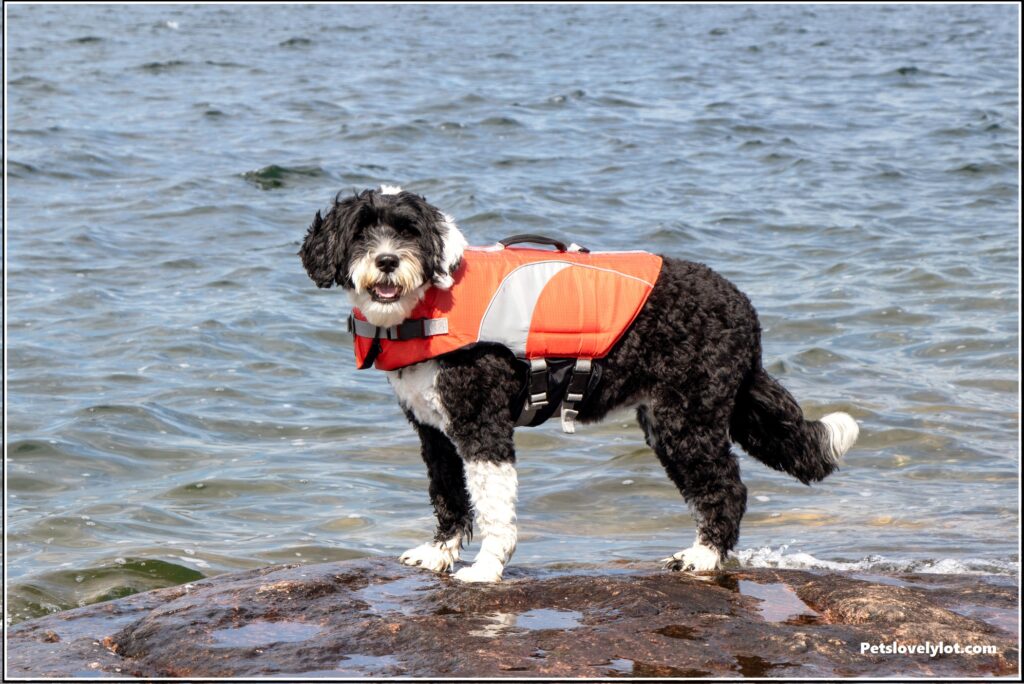
Gradual exposure works really well for dogs new to the ocean. Skip the crowded holiday weekend beach and start with a quieter visit during off-peak hours. Let your dog approach the water at their own pace — never force them into the surf. Brands like Ruffwear and Outward Hound make canine life jackets designed to provide both safety and confidence for dogs still getting comfortable around open water. Building positive associations through praise, play, and healthy treats goes a long way toward creating a dog that genuinely looks forward to every beach trip.
Essential Gear for Dogs at the Beach
Pack a collapsible silicone water bowl, a leash rated for wet conditions, and a canine life jacket before you leave the house. These three items alone cover the most common beach-day emergencies. A well-stocked beach bag for your dog cuts stress for both of you and keeps the focus on fun rather than scrambling for supplies. The right gear also signals to other beachgoers and park rangers that you take beach rules for pets seriously.
Must-Have Items for a Safe Beach Day
Ruffwear’s Float Coat Life Jacket ranks among the most trusted options out there — featuring a sturdy back handle so you can lift your dog out of the water fast if needed. It comes in sizes from XS to XL with adjustable straps for a secure fit. Even strong swimmers benefit from a life jacket when unexpected rip currents or fatigue enter the picture. The American Kennel Club strongly endorses life jackets for any dog near open water, regardless of swimming ability.
Outward Hound makes collapsible travel bowls that fold flat and weigh under two ounces, making them easy to slip into a beach bag. Bring at least one liter of fresh water per 20 pounds of dog body weight for a half-day outing. A portable pop-up shade tent gives your dog a cool escape from direct sun. PetSafe offers retractable tie-out stakes that anchor into sand, giving your dog a defined roaming area while you set up camp. Biodegradable waste bags, a microfiber drying towel, and a small first aid kit round out the essentials.
Dog-safe sunscreen is another item you shouldn’t leave home without. The ASPCA warns that human sunscreen products containing zinc oxide or para-aminobenzoic acid are toxic to dogs. Use only vet-approved formulas on your dog’s nose, ear tips, and belly. Apply it 20 minutes before sun exposure and reapply every two hours, especially after your dog gets out of the water. A waterproof bag for wet gear, sandy toys, and soiled towels also keeps your car clean on the drive home.
Safety Tips for Dogs on the Beach
Saltwater ingestion is the top health risk for dogs at the ocean, and it can trigger sodium ion poisoning within hours of a beach visit. Dogs lap up seawater while playing in the surf without owners even noticing. Offer fresh water every 15 to 20 minutes to reduce your dog’s urge to drink from the ocean. Watch for vomiting, diarrhea, lethargy, and muscle tremors — all signs of salt toxicity. If you spot any of these, contact your vet or the nearest emergency animal clinic right away.
Hydration and Sun Protection Strategies
Plan beach time during cooler parts of the day — before 10 a.m. Or after 4 p.m. — to avoid peak UV exposure and sand temperatures that can exceed 130°F on a clear summer afternoon. Hot sand burns paw pads fast. Test the sand with the back of your hand for five seconds — if it’s too hot for your skin, it’s too hot for your dog’s paws. Ruffwear’s Grip Trex dog boots offer durable paw protection on hot or rocky surfaces and come in four sizes.
Watch for heatstroke signs, which include excessive panting, drooling, glazed eyes, and a rapid heartbeat. The ASPCA’s hot weather safety guidelines say to move an overheated dog to shade immediately, apply cool water to their paw pads and neck, and get veterinary attention without delay. Never leave your dog in a parked car — even with windows cracked — since interior temperatures can hit dangerous levels within ten minutes.
First Aid Preparedness at the Beach
Carry a compact first aid kit stocked with sterile gauze, antiseptic wipes, tweezers for removing splinters or shell fragments, and a digital thermometer. A dog’s normal body temperature falls between 101°F and 102.5°F. Anything above 104°F needs immediate veterinary attention. The American Kennel Club’s first aid guide covers beach-specific hazards in detail, including jellyfish stings — treat those by scraping away tentacles with a flat object and rinsing with seawater, never fresh water.
Keep your dog on a leash near rocky areas, fishing piers, and crowded sections of the beach. Discarded fishing hooks, broken glass, and sharp shells are real laceration risks. Check your dog’s paws, ears, and coat thoroughly after every beach session to remove sand, debris, and any hitchhiking ticks before they attach fully.
Fun Activities for Dogs at the Ocean Side
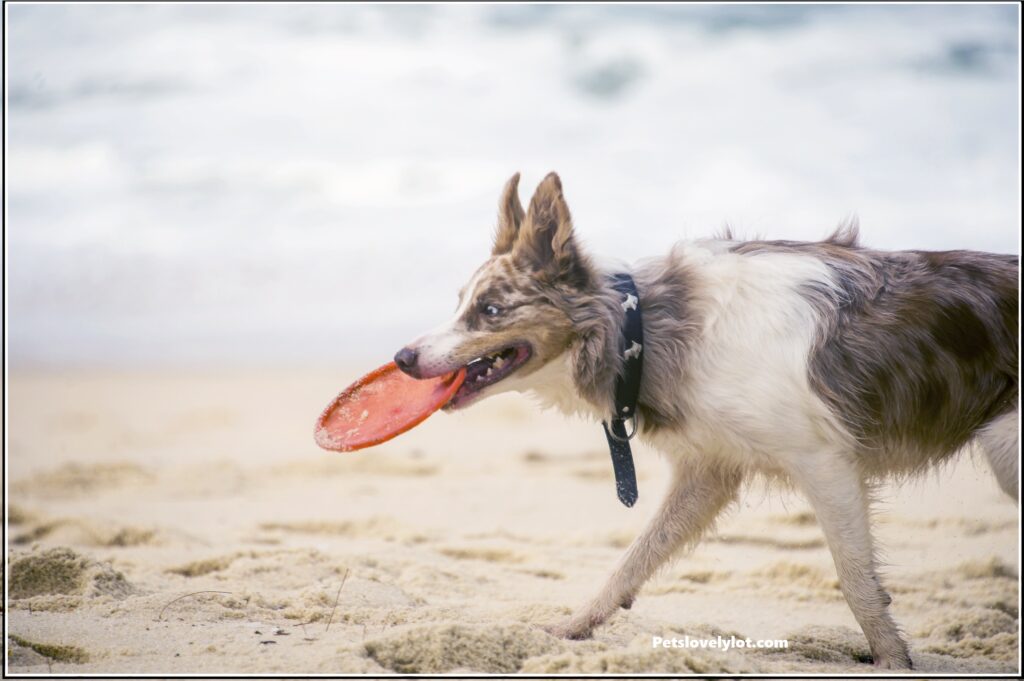
Fetch in shallow surf is one of the most physically rewarding things you can do with your dog at the beach. It combines cardio exercise with the natural resistance of moving water. Use a brightly colored floating toy like the Chuckit! Amphibious Bumper — visible even in choppy water and buoyant enough for easy retrieval. Limit fetch to ten-minute intervals with water and shade breaks between rounds to prevent overexertion on hot days.
Games and Enrichment Activities by the Water
Digging is a natural, instinct-driven activity most dogs love, and the beach is the perfect place for it. Pick a specific digging zone away from other beachgoers and encourage your dog by burying a favorite toy just below the surface. This kind of scent-based enrichment tires dogs out mentally and physically. Sand digging also satisfies high-drive breeds like terriers and huskies that might otherwise redirect their energy into destructive behavior.
Agility-style obstacle courses are surprisingly easy to set up using things you already packed. Use a beach umbrella pole as a weave cone, draw lines in the sand as jump markers, and fold a towel into a target mat for “place” training. These short, structured sessions reinforce commands in a high-distraction environment. Socializing at designated off-leash zones also delivers valuable mental stimulation and builds confidence in dogs still warming up to busy coastal settings.
End each beach day with a calm, reward-based activity like nose work. Hide healthy treats under a small sand pile or beneath a towel and let your dog sniff them out. This winds down high arousal levels before the car ride home.
Etiquette and Rules for Dogs at the Beach
Over 30 US states enforce specific leash laws on public beaches. Violations can result in fines ranging from $50 to $500 depending on the municipality. Before you arrive, check local ordinances through your destination’s official city or county website. Many beaches that look dog-friendly have restricted hours — typically before 9 AM and after 6 PM during peak summer months. Showing up outside those windows can get you removed from the beach entirely.
Always carry at least three waste bags per dog per outing. Leaving waste on the beach isn’t just rude; it creates real public health risks, since bacteria from pet feces can contaminate shoreline water and harm marine life. The American Kennel Club recommends packing a small, sealable bag for used waste bags so odors don’t bother other beachgoers. Dispose of sealed bags in designated trash receptacles only — never in recycle bins or storm drains.
Respecting Other Beachgoers and Wildlife
Keep your dog within six feet of you at all times, even in off-leash zones, unless your recall command is rock-solid in high-distraction settings. Not everyone on the beach is comfortable around dogs. Children, elderly visitors, and people with phobias deserve the same access to beach space as dog owners. A dog that charges toward strangers can cause falls and injuries that carry legal liability for you.
Shorebird nesting areas are marked with posted signs at most US beaches between April and August. Keep dogs completely out of these zones. Species like the Piping Plover and Least Tern are federally protected under the Migratory Bird Treaty Act, and disturbing nesting sites can result in federal citations. The US Fish and Wildlife Service actively monitors these zones at popular coastal areas including Cape Hatteras National Seashore and Padre Island National Seashore.
Noise etiquette matters just as much as physical behavior. Excessive barking disturbs other visitors and can push beach managers toward stricter dog bans. Train a reliable “quiet” command before your trip using positive reinforcement. Practice around distractions at parks or busy sidewalks so your dog carries that behavior straight into the beach environment — where distractions come from every direction at once.
Popular Dog-Friendly Beach Destinations in the US
Huntington Dog Beach in Huntington Beach, California, spans one mile of dedicated off-leash shoreline. BringFido, a leading pet travel resource, consistently rates it the top dog-friendly beach in the US. Dogs are allowed off-leash year-round, and the beach offers rinse stations, waste bag dispensers, and a dog-friendly parking lot. Arrive before 8 AM on weekends to secure a shaded spot — the beach fills fast during summer.
Fort De Soto Park in Tierra Verde, Florida, features a dedicated 7-acre dog beach with a freshwater rinse station, separate large and small dog areas, and direct access to the Gulf of Mexico’s calm, shallow waters. The park charges a $5 per vehicle entry fee. Dogs must stay on a six-foot leash everywhere except the designated off-leash zone. The warm, gentle surf makes it ideal for first-time ocean visitors and older dogs with joint sensitivities.
Top Dog-Friendly Beaches Across Multiple Regions
Cannon Beach in Oregon allows leashed dogs year-round on its wide, flat shoreline stretching nearly four miles. The beach sits next to Ecola State Park, where leashed dogs are welcome on most trails. Temperatures rarely top 70°F even in summer, making it a strong pick for heat-sensitive breeds like Bulldogs, Pugs, and Saint Bernards. Several pet-friendly hotels line the nearby town, including the Surfsand Resort, which explicitly welcomes dogs of all sizes.
Cape Henlopen State Park in Lewes, Delaware, opens its dog beach from October 1 through April 30 each year. Dogs must stay leashed at all times. The Atlantic surf here runs more powerful than Gulf Coast beaches, so keep smaller dogs and weak swimmers in the shallower tidal pools rather than open water. Admission costs $4 per vehicle for Delaware residents and $8 for out-of-state visitors. Parking fills by 10 AM on holiday weekends, so an early arrival is worth the effort.
Post-Beach Care for Dogs
Rinse your dog with fresh water within 30 minutes of leaving the beach. Salt water left on the coat causes skin irritation, dryness, and excessive itching within 12 to 24 hours. Use a handheld travel shower head attached to a portable water container, or use the rinse stations available at parks like Fort De Soto. Pay close attention to the underbelly, groin, armpits, and between the toes, where salt and sand build up the most.
Sand impaction in the ears is a common post-beach problem, especially in floppy-eared breeds like Cocker Spaniels and Basset Hounds. Gently wipe the outer ear canal with a dry cotton ball after rinsing. Never insert cotton swabs deeper than the visible canal. If your dog shakes its head repeatedly or scratches at its ears after the visit, schedule a vet check within 48 hours to rule out otitis externa (a bacterial ear infection triggered by moisture and debris).
Skin, Paw, and Coat Recovery After Ocean Exposure
Inspect each paw pad individually after every beach trip. Sand acts as an abrasive, and extended walking on hot, dry sand causes micro-tears and raw patches on paw pads. Apply a paw balm such as Musher’s Secret — a vet-recommended wax-based product — to rehydrate and protect damaged pads. The ASPCA’s paw care guidelines say you should check for embedded shells, glass fragments, or fish hooks before applying any topical product.
Rehydrate your dog right after returning to your vehicle. Offer fresh water in measured amounts — about one ounce per pound of body weight over the first hour. Avoid letting your dog drink large quantities at once, since rapid water intake after physical exertion can trigger bloat in deep-chested breeds like Great Danes and German Shepherds. Feed a light meal two hours after activity rather than immediately upon arriving home, giving the digestive system time to settle.
Watch your dog for signs of delayed heat exhaustion for up to six hours after leaving the beach. Symptoms include persistent panting, lethargy, vomiting, and pale or tacky gums. A dog that seemed perfectly fine at the beach can still show heat-related symptoms once the adrenaline of the outing fades. Keep your dog in a cool, air-conditioned space after beach visits and skip strenuous activity for the rest of the day.
Conclusion: Making Every Beach Outing a Success
A well-planned beach trip with your dog takes about two to three weeks of preparation to pull off safely. From booking dog-friendly accommodations to packing the right gear, every step you take before the trip directly affects your dog’s safety and enjoyment at the water’s edge. The American Kennel Club consistently notes that dogs thrive in new environments when their owners introduce changes gradually and with clear structure.
Start by confirming local beach rules for pets before you travel. Leash requirements, seasonal access restrictions, and designated swim zones vary dramatically from one location to another. Calling the park office directly gets you the most current information, since online listings often lag behind updated ordinances. Knowing the rules ahead of time prevents fines, confrontations with rangers, and stressful situations that sour the outing for everyone.
Gear and Health Preparation Recap
Pack the Ruffwear Float Coat life jacket for any dog heading into open water, regardless of swimming ability. Bring a collapsible water bowl, at least one gallon of fresh water per dog for a full day out, and a first aid kit stocked with gauze, antiseptic wipes, and a digital thermometer. The ASPCA recommends saving your veterinarian’s contact number and the nearest emergency animal hospital address on your phone before you leave home.
Apply a pet-safe sunscreen to exposed areas like the nose, ear tips, and belly at least 15 minutes before your dog enters direct sunlight. Use PetSafe or Epi-Pet brand formulas, both of which are free of zinc oxide and para-aminobenzoic acid — ingredients that are toxic to dogs. Reapply every two hours during extended outdoor sessions.
Hydration is the single most preventable risk factor on any beach outing. Offer your dog water every 20 to 30 minutes during active play. Watch for heavy panting, stumbling, or a sudden loss of interest in activity — all of which signal the need to move to shade immediately. Dogs can’t regulate body temperature as efficiently as humans, and ocean-side heat combined with physical exertion speeds up dehydration faster than most owners expect.
Responsible Behavior and Beach Etiquette
Clean up after your dog every single time, without exception. Carry biodegradable waste bags from brands like Outward Hound, which offers compostable options designed for outdoor use. Many dog-friendly beaches lose their pet-access privileges each year because of waste left behind. Your compliance with cleanup rules directly protects access for every other dog owner who visits after you.
Respect wildlife zones marked with signs or rope barriers. Shorebirds like piping plovers and sea turtles nest in open sand areas that look completely unremarkable to the human eye. The U.S. Fish and Wildlife Service enforces federal protections for these species, and letting your dog disturb a nesting area can result in significant fines. Keep your dog leashed near dunes and vegetation at all times, even on beaches where off-leash areas exist in other sections.
Greet other beachgoers and their pets with courtesy. Always ask permission before letting your dog approach another dog or a group of people. Not every person at the beach is comfortable around dogs, and not every dog there is socialized for close contact with strangers. A quick verbal check before any interaction prevents conflicts and shows the kind of responsible ownership that keeps beaches welcoming for all pet owners.
The American Kennel Club’s beach safety guidelines offer a solid reference for owners preparing for their first ocean outing with a dog. Bookmark that resource and review it the night before each trip. Building consistent pre-trip habits means you never forget an essential item and helps your dog connect the preparation routine with the excitement of a beach adventure.
Beach outings with dogs create lasting memories and provide real physical and mental enrichment for your pet. Treat every trip as a chance to strengthen your bond, build your dog’s confidence in new environments, and show respectful ownership to the broader community. With the right preparation, the right gear, and a clear understanding of local rules, every visit to the ocean becomes a rewarding experience for both of you.
Frequently Asked Questions
How Do You Know If a Beach Allows Dogs Before You Visit?
Call the beach’s managing authority directly — whether that’s a state park office, county recreation department, or national seashore visitor center. From there, check the official park website and find the pet policy page. It typically lists leash requirements, restricted zones, and seasonal access dates. Apps like BringFido compile verified dog-friendly beach listings by region and update them regularly with user-reported rule changes.
How Long Should a First Beach Trip With Your Dog Last?
Keep your dog’s first ocean outing to two hours or less. Shorter visits give your dog time to process the new sights, sounds, and smells without getting overwhelmed or worn out. Build up future visits by 30 to 45 minutes each time as your dog gains confidence and stamina.
Can You Take a Puppy Under Six Months Old to the Beach?
Talk to your vet before taking any puppy under six months to a public beach. Incomplete vaccination schedules leave young dogs vulnerable to parvovirus and leptospirosis — both of which can survive in sand and standing water. Your vet will confirm exactly which vaccines your puppy needs before safe outdoor exposure. Once fully vaccinated, introduce beach environments gradually with short, supervised sessions close to the shoreline.
How Often Should You Rinse Your Dog After Ocean Swimming?
Rinse your dog with fresh water after every ocean swim session, not just at the end of the day. Salt water left on the coat for more than 30 minutes starts drying out the skin and causes itching and irritation within 12 hours. Pay extra attention to the paw pads, underbelly, and ear flaps — those areas collect the heaviest concentration of salt and sand after water exposure.
Which Dog Breeds Struggle Most With Beach Environments?
Brachycephalic breeds like Bulldogs, Pugs, and Shih Tzus overheat fast in direct sunlight and struggle to breathe efficiently during physical exertion in the heat. Short-legged breeds like Dachshunds and Corgis tire quickly in deep sand. Keep them on firm, wet sand near the waterline rather than the dry stretch further up the beach. Regardless of breed, watch your dog’s breathing rate and energy level closely, and move to shade at the first sign of labored panting.
Do Dogs Need Special Insurance or Documentation for Dog-Friendly Beach Destinations?
Most public dog-friendly beaches in the United States only require proof of current rabies vaccination, which your vet provides on a standard certificate. Some private beach resorts and pet-friendly accommodations may ask for additional records, including bordetella and canine influenza. Carry a printed copy of your dog’s vaccination records in your beach bag — a park ranger or property manager can request documentation at any time, and having it on hand saves a real headache.