Key Takeaways
- Many common human foods are safe and even nutritionally beneficial for dogs when offered in moderation and prepared correctly.
- Several everyday household foods — including grapes, onions, chocolate, and xylitol — are highly toxic to dogs and can cause serious or fatal health consequences.
- Organizations like the American Kennel Club, the ASPCA, and the FDA provide regularly updated guidelines on pet food safety and canine dietary needs.
- Understanding the difference between dog-friendly human foods and dangerous foods for dogs can prevent accidental poisoning and support long-term pet health.
- Always consult a licensed veterinarian or Veterinary Nutritionist before making significant changes to your dog’s diet.
- Knowing emergency protocols — such as contacting the ASPCA Animal Poison Control Center — can save your dog’s life in cases of accidental consumption.
Introduction to Canine Cuisine
The kitchen table, the couch, the backyard barbecue — dogs show up at all of them, tails wagging, hoping for a taste of whatever you’re having. But while that ritual is genuinely heartwarming, it comes with a responsibility many pet owners underestimate. Not all human foods are safe for dogs, and some are outright deadly. Knowing what’s beneficial, what’s harmless, and what’s dangerous is one of the most important parts of responsible dog ownership.
The subject of dogs and human food sits at a fascinating crossroads of pet nutrition science, veterinary medicine, and everyday kitchen habits. According to the American Kennel Club (AKC) and PetMD, dogs have evolved alongside humans for thousands of years — and their digestive systems have adapted to handle a broader range of foods than their wild wolf ancestors could. That adaptability has real limits, though. Certain compounds found in common human foods, like theobromine in chocolate, allicin in garlic and onions, and persin in avocados, are metabolized very differently in dogs than in humans. The results can range from mild stomach upset to organ failure. This guide gives dog owners a clear, evidence-based look at which human foods fall into which category, and why those distinctions matter so much for your pet’s long-term health.
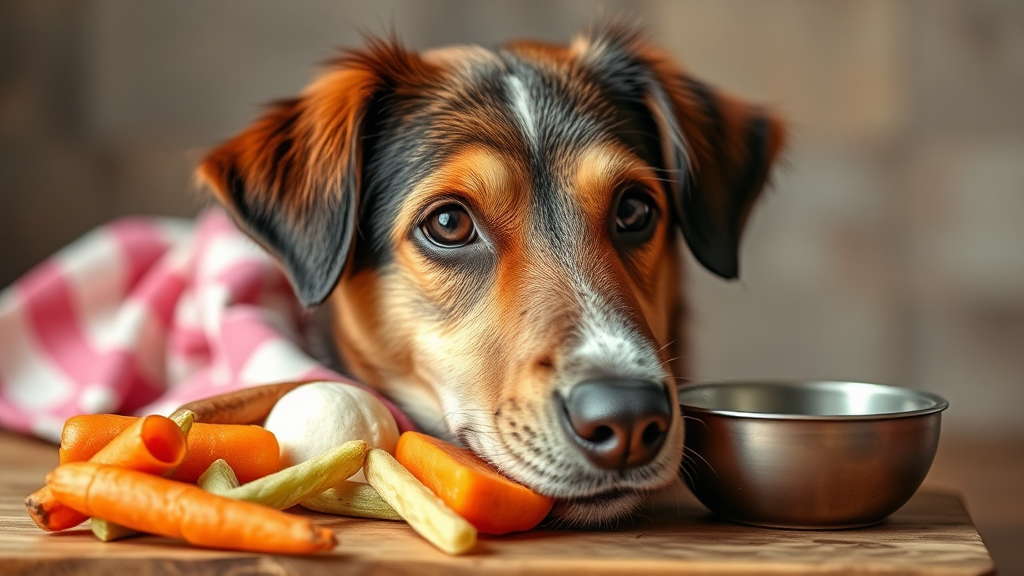
Many human foods are safe for dogs — including carrots, blueberries, cooked chicken, and plain rice — while others like chocolate, grapes, onions, and xylitol are highly toxic. Understanding these distinctions, guided by resources from the ASPCA and American Kennel Club, is essential for protecting your dog’s health and preventing accidental poisoning.
Human Foods Dogs Can Safely Eat
Here’s the good news: a surprisingly wide variety of human foods are not only safe for dogs but can actively support their health. Lean proteins like cooked chicken, turkey, and plain boiled fish deliver amino acids that build muscle and strengthen immune function. Cooked eggs are another strong option — packed with protein, riboflavin, and selenium — and Veterinary Nutritionists widely recommend them as a healthy supplement to a dog’s regular diet. Plain cooked white or brown rice is easy on the digestive system, and vets often suggest it when a dog has an upset stomach. Served without seasoning, sauces, or additives, these foods make genuinely nourishing additions to your dog’s meals.
Fruits and vegetables round out a rich category of dog-friendly human foods. Blueberries are loaded with antioxidants — the American Kennel Club calls them a superfood for dogs, citing benefits for brain health and reduced oxidative stress. Carrots are low in calories, high in fiber and beta-carotene, and double as a crunchy snack that promotes dental health. Watermelon (seedless, no rind), apples (no seeds or core), bananas, and cucumbers are all safe in moderation, offering vitamins, hydration, and natural sweetness dogs genuinely enjoy. Plain pumpkin, whether canned or cooked, is another standout — PetMD frequently highlights it for digestive health, since its high fiber content helps regulate both diarrhea and constipation. Across all of these, the rule is the same: moderate portions, proper prep, and no added sugars, salts, or seasonings.
Peanut butter is probably the most iconic dog-friendly human food — beloved by pets and owners alike, and a go-to flavoring for Dog Treat Brands everywhere. It delivers protein and healthy fats, but there’s one critical detail most casual guides overlook: you must always check that the peanut butter contains no xylitol, an artificial sweetener that’s extremely toxic to dogs. Plain, unsalted, xylitol-free peanut butter stays a safe and enjoyable treat. Plain oatmeal cooked with water (not milk) is another solid option, offering soluble fiber that’s gentle on sensitive stomachs — vets often recommend it for older dogs or those with digestive issues.
Foods That Pose a Risk to Dogs
Knowing what dogs can eat matters — but knowing what they absolutely cannot is just as critical. Some of the most dangerous foods for dogs sit in virtually every household, which makes accidental ingestion a very real concern. Chocolate tops nearly every list of toxic foods for pets, and for good reason. It contains theobromine and caffeine — two methylxanthines that dogs metabolize far more slowly than humans. Depending on the type of chocolate (dark and baking chocolate are the worst offenders) and the dog’s size, consumption can trigger vomiting, diarrhea, rapid heart rate, seizures, and even death. The ASPCA Animal Poison Control Center consistently ranks chocolate among the top causes of pet poisoning calls every year.
Grapes and raisins represent another severe — and frankly baffling — danger. Scientists and Veterinary Nutritionists have yet to pinpoint the exact compound responsible for toxicity in dogs, but the consequences are well-documented: acute kidney failure can occur even from a small amount, and the reaction doesn’t follow a predictable dose-dependent pattern. This unpredictability puts grapes and raisins among the most alarming human food risks for dogs. Both the FDA and the ASPCA strongly advise keeping grapes and raisins completely out of a dog’s reach, regardless of breed or size. The allium family — onions, garlic, leeks, and chives — also poses serious danger. These vegetables contain organosulfides that damage red blood cells, leading to hemolytic anemia. They’re particularly sneaky because they show up in so many cooked dishes, sauces, and seasonings that owners don’t think twice about.
Several other foods deserve serious caution beyond those well-known offenders. Xylitol, an artificial sweetener found in sugar-free gum, candies, some peanut butters, and certain baked goods, causes a rapid and dangerous blood sugar drop in dogs and can lead to liver failure. Macadamia nuts cause weakness, hyperthermia, vomiting, and tremors. Avocado contains persin, a fungicidal toxin that, while less dangerous to dogs than to birds, can still cause vomiting and diarrhea in significant quantities. Alcohol, caffeine, and cooked bones round out the list — cooked bones can splinter and cause internal injuries. Our team strongly recommends bookmarking both the ASPCA‘s Animal Poison Control Center and the American Kennel Club‘s resources, as both maintain comprehensive, up-to-date lists of dangerous foods for dogs.
Understanding Dog Nutrition Needs
Dogs need six essential nutrient categories to thrive: proteins, fats, carbohydrates, vitamins, minerals, and water. The Association of American Feed Control Officials sets the baseline nutritional standards that govern commercial dog food formulations in the United States. Adult dogs generally need protein to make up at least 18% of dry matter, while puppies need a minimum of 22% to support rapid growth. These numbers matter when you’re evaluating how any human food fits into a dog’s overall diet.
Protein drives muscle maintenance, immune function, and enzyme production in dogs. High-quality animal proteins — chicken, turkey, salmon, and eggs — supply complete amino acid profiles. The American Kennel Club highlights taurine and L-carnitine as particularly important for cardiac health in dogs. Some plant-based proteins, like those in lentils or chickpeas, can supplement a canine diet but rarely replace animal protein as the primary source.
Fats, Carbohydrates, and Micronutrients in Canine Diets
Dietary fat supplies more than twice the energy per gram that protein or carbohydrates provide. Omega-3 fatty acids, found in fish like sardines and salmon, support coat health, reduce inflammation, and promote brain function. AAFCO guidelines recommend a minimum fat content of 5% dry matter for adult dogs. Omega-6 fatty acids, sourced from chicken fat and sunflower oil, work alongside omega-3s to maintain healthy skin barriers.
Carbohydrates aren’t technically essential for dogs the way they are for humans, but they serve as an efficient energy source and provide dietary fiber that supports gut motility. Sweet potatoes, brown rice, and oats deliver digestible carbohydrates along with useful micronutrients. Fiber from sources like pumpkin helps regulate bowel movements and supports beneficial gut bacteria. PetMD notes that soluble fiber plays a specific role in managing blood sugar levels in diabetic dogs (something worth flagging with your vet if your dog has glucose regulation issues).
Vitamins and minerals complete the nutritional picture. Calcium and phosphorus must stay in a precise ratio — generally between 1:1 and 2:1 — to support bone density and prevent skeletal disorders. Fat-soluble vitamins A, D, E, and K all need dietary fat for proper absorption. Vitamin A, found in carrots and sweet potatoes, supports vision and immune health, but excessive supplementation can cause toxicity.
Consulting with Veterinarians
Schedule a dietary review with your vet before adding any new human food to your dog’s regular meals. This step isn’t optional for dogs with pre-existing conditions like diabetes, kidney disease, pancreatitis, or food allergies. A board-certified Veterinary Nutritionist can build a customized meal plan that accounts for your dog’s breed, age, weight, activity level, and health history. The American College of Veterinary Nutrition maintains a directory of credentialed specialists at dacvn.org — a resource most dog owners never think to check — making it easy to find a qualified professional near you.
General-practice veterinarians are equally valuable for routine dietary guidance. During annual wellness exams, ask specifically about vet-recommended diet adjustments and which healthy snacks align with your dog’s current health status. Bring a list of every human food your dog currently eats, including how often and how much. That level of detail helps your vet spot potential nutrient excesses or gaps that wouldn’t be obvious otherwise.
Breed-Specific and Life-Stage Dietary Considerations
Certain breeds carry genetic predispositions that affect how they process specific nutrients. Large and giant breeds like Great Danes and Bernese Mountain Dogs face higher risks of dilated cardiomyopathy (a condition the FDA began investigating in 2018 in connection with grain-free diets high in legumes). Vets familiar with these breed-specific risks can advise whether particular human foods make those concerns better or worse. Small breeds like Chihuahuas and Yorkshire Terriers have faster metabolisms and different caloric density needs than large breeds, which changes how treats and supplemental foods should be portioned.
Life stage matters just as much as breed. Senior dogs often experience reduced kidney function, making high-phosphorus foods like certain fish and dairy products worth discussing with your vet before serving. Pregnant or lactating dogs have dramatically elevated caloric and nutrient demands. Puppies under 12 months need careful calcium management to avoid developmental orthopedic disease.
Signs of Food-Related Health Issues in Dogs
Vomiting within 30 minutes to two hours of eating is one of the earliest visible signs that a dog has consumed something harmful. A single episode may mean mild stomach upset — but repeated vomiting combined with lethargy or abdominal distension signals something more serious. The ASPCA Animal Poison Control Center, reachable at 888-426-4435, advises calling immediately if vomiting follows known or suspected ingestion of a toxic food. Don’t wait for symptoms to get worse before seeking help.
Diarrhea, excessive drooling, and loss of appetite are other early warning signs worth watching. Dogs that eat onions or garlic may show no symptoms for several days, since hemolytic anemia develops gradually. Pale or yellowish gums, weakness, and rapid breathing in the days after garlic or onion exposure warrant an urgent vet visit. Xylitol poisoning moves much faster — hypoglycemia symptoms like wobbling, disorientation, and collapse can appear within just 30 minutes of ingestion.
Neurological and Organ-Related Symptoms to Watch For
Tremors, seizures, and muscle rigidity all suggest a toxin has reached the nervous system. Theobromine from chocolate and the unknown compound in grapes can both trigger neurological symptoms in severe cases. Macadamia nut toxicity specifically causes rear-limb weakness and hyperthermia, usually within 12 hours of consumption. Any neurological symptom following food ingestion is an emergency — not a wait-and-see situation.
Kidney-related symptoms may show up 24 to 72 hours after grape or raisin ingestion. Increased thirst, reduced urination, complete cessation of urination, and a swollen abdomen are red flags for acute kidney injury. PetMD notes that early IV fluid intervention significantly improves survival outcomes in grape toxicity cases. Blood and urine panels at a veterinary clinic can confirm kidney involvement before visible symptoms reach a dangerous stage.
Gastrointestinal Blockage and Pancreatitis Indicators
Cooked bones, corn cobs, and large chunks of dense food can all cause gastrointestinal blockages. Signs include repeated unproductive retching, bloating, and a hunched posture that signals abdominal pain. A dog that stops defecating entirely after eating a potentially obstructive item needs an X-ray to rule out a physical blockage. Surgical intervention is sometimes necessary, and delays raise the risk of intestinal perforation.
High-fat human foods — bacon grease, fried chicken skin, or large portions of cheese — can trigger pancreatitis, an inflammation of the pancreas. Symptoms include a distinctive “prayer position” where the dog stretches its front legs forward while keeping its hindquarters elevated, along with vomiting, abdominal pain, and fever. The American Kennel Club identifies pancreatitis as one of the most common diet-related emergencies vets see, particularly around holidays when dogs get into rich table scraps. Recognizing these signs early and contacting a vet promptly gives dogs the best shot at a full recovery.
Safe Treat Alternatives
Blueberries, at about 1 calorie each, are among the most nutrient-dense treat options available for dogs of all sizes. The American Kennel Club lists them as a top dog-friendly snack because they deliver antioxidants, fiber, and vitamin C without added sugars or artificial ingredients. Swap store-bought treats for a small handful of blueberries during training sessions and you’re giving your dog a reward that actively supports immune function.
Carrots are another standout option. Raw baby carrots are low in calories, high in beta-carotene, and offer a satisfying crunch that helps reduce plaque buildup on teeth. A medium-sized dog can safely enjoy two to three baby carrots per day. Frozen carrot sticks work especially well for teething puppies — providing relief without the risks that come with rawhide chews or processed snack bones.
Nutritious Whole-Food Snack Options
Plain cooked chicken breast, cut into half-inch cubes, is a protein-rich treat that veterinary nutritionists frequently recommend for dogs with sensitive stomachs. Remove all skin and bones before serving. Unseasoned boiled chicken also works as a bland diet component during gastrointestinal recovery, making it one of the most versatile whole-food options in any dog owner’s toolkit.
Watermelon, with seeds and rind removed, provides hydration and natural sweetness that most dogs genuinely enjoy. It contains lycopene, potassium, and vitamins A, B6, and C. Cucumber slices are another hydrating, low-calorie choice that works well for overweight dogs needing treats without excess calories. Commercial options like Zuke’s Mini Naturals or Blue Buffalo Bits use whole-food ingredients and meet Association of American Feed Control Officials nutrient guidelines — making them solid fallbacks when fresh produce isn’t available.
Emergency Protocols for Accidental Consumption
Call the ASPCA Animal Poison Control Center at 888-426-4435 the moment you confirm or strongly suspect your dog has eaten something toxic. Don’t wait for symptoms to appear. The toxicology team operates 24 hours a day and can tell you whether home monitoring is appropriate or whether your dog needs immediate veterinary care. A consultation fee applies, but the guidance you receive is tailored to your dog’s weight, the substance ingested, and the quantity consumed.
Identify and record exactly what your dog ate, how much, and when. Take a photo of the packaging if the item came from a processed food — a step that’s easy to forget in a stressful moment but makes a real difference at the clinic. Bring that information with you. Vets make faster, more accurate treatment decisions when they know the precise ingredient rather than working from a vague description.
Never induce vomiting without direct instruction from a vet or poison control specialist. With caustic substances or certain toxins, inducing vomiting can cause additional damage to the esophagus. The FDA advises against using hydrogen peroxide at home unless a licensed professional explicitly directs you to. Time matters, but acting without guidance can create a second injury on top of the first.
Conclusion and Best Practices
The American Kennel Club caps treats and supplemental foods at roughly 10% of a dog’s daily caloric intake. Staying within that limit prevents nutritional imbalances and keeps obesity risk low — and obesity already affects about 56% of U.S. Dogs, according to the Association for Pet Obesity Prevention. Every bite of human food counts toward that daily total, including the small scraps that hit the floor during meal prep.
Safe human foods for dogs include plain cooked meats, most vegetables, certain fruits, and plain cooked grains like rice and oatmeal. On the toxic side: chocolate, grapes, raisins, onions, garlic, xylitol, macadamia nuts, and alcohol. No amount of any toxic food is acceptable. Even tiny quantities of xylitol or grapes can trigger life-threatening reactions regardless of your dog’s size or breed.
Daily Feeding Habits That Protect Long-Term Health
Introduce any new human food one item at a time, then wait 48 hours before adding another. That window lets you catch allergic reactions or digestive sensitivities before they pile up. Keep a simple log of everything your dog eats outside their regular meals (a notes app on your phone works perfectly for this). That record gives your vet valuable context during appointments and helps them spot patterns tied to recurring symptoms.
Store all toxic foods out of reach — inside closed cabinets, not on low countertops. Dogs with food motivation will investigate any surface they can reach. Make sure every household member knows which foods are off-limits, including children and frequent visitors. A well-meaning guest offering a raisin or a stick of sugarless gum can accidentally cause a medical emergency.
Building a Vet-Supported Feeding Plan
Schedule an annual nutritional review with your vet, especially if your dog is a senior, pregnant, nursing, or managing something like diabetes or kidney disease. Board-certified veterinary nutritionists, credentialed through the American College of Veterinary Nutrition, can build a complete dietary profile tailored to your dog’s specific needs. The PetMD nutrition center also offers breed-specific and condition-specific guidance that pairs well with professional veterinary advice.
Treat human food as an occasional supplement, not a dietary staple. A high-quality commercial dog food formulated to AAFCO standards already delivers balanced macronutrients, vitamins, and minerals matched to your dog’s life stage. Human food works best as enrichment, a training reward, or a bonding moment — not a meal replacement. Staying consistent, informed, and proactive gives your dog the strongest possible foundation for a long, healthy life.
Frequently Asked Questions
Can dogs eat peanut butter safely?
Plain peanut butter without xylitol is safe for most dogs in small amounts. Check the ingredient label every time you buy a new jar — some brands quietly add xylitol as a sweetener, and it’s highly toxic to dogs. For small breeds, stick to one teaspoon. Larger breeds can handle up to one tablespoon without taking in too much fat or excess calories.
How much fruit can I give my dog per day?
Keep fruit to no more than 10% of your dog’s daily caloric intake, combined with all other treats. A 20-pound dog eating about 600 calories per day gets no more than 60 calories from fruit and treats combined. Good options include blueberries, watermelon, and apple slices with seeds removed. Introduce each fruit one at a time so you can catch any bad reactions early.
Is it safe to feed dogs leftovers from dinner?
Plain, unseasoned leftovers like cooked chicken, plain rice, or steamed vegetables can work fine in small portions. Skip anything made with onions, garlic, heavy salt, butter, or sauces — these ingredients show up constantly in home-cooked meals and can seriously harm your dog. Always pull out bones before offering cooked meat, since cooked bones splinter and create a real choking and laceration risk.
How do I know if my dog is having an allergic reaction to a new food?
Watch for itching, hives, swelling around the face or muzzle, vomiting, and diarrhea within a few hours of trying a new food. Stop offering that food right away and call your veterinarian. Your vet may suggest an elimination diet or allergy testing to pin down the specific trigger.
Are eggs a healthy food option for dogs?
Plain cooked eggs are a solid protein source that most dogs digest well. Scrambled or hard-boiled eggs with no butter, oil, or seasoning are your safest options. Skip raw eggs entirely — they carry a Salmonella risk and contain avidin, a protein that can block biotin absorption when dogs eat them regularly over time.
How quickly should I act if my dog eats a toxic food?
Call the ASPCA Animal Poison Control Center at 888-426-4435 or your nearest emergency vet clinic the moment you discover or suspect your dog ate something toxic. Don’t wait for symptoms to appear. Bring the food packaging, your best estimate of how much was eaten, and your dog’s current weight so the veterinary team can map out the right treatment fast.