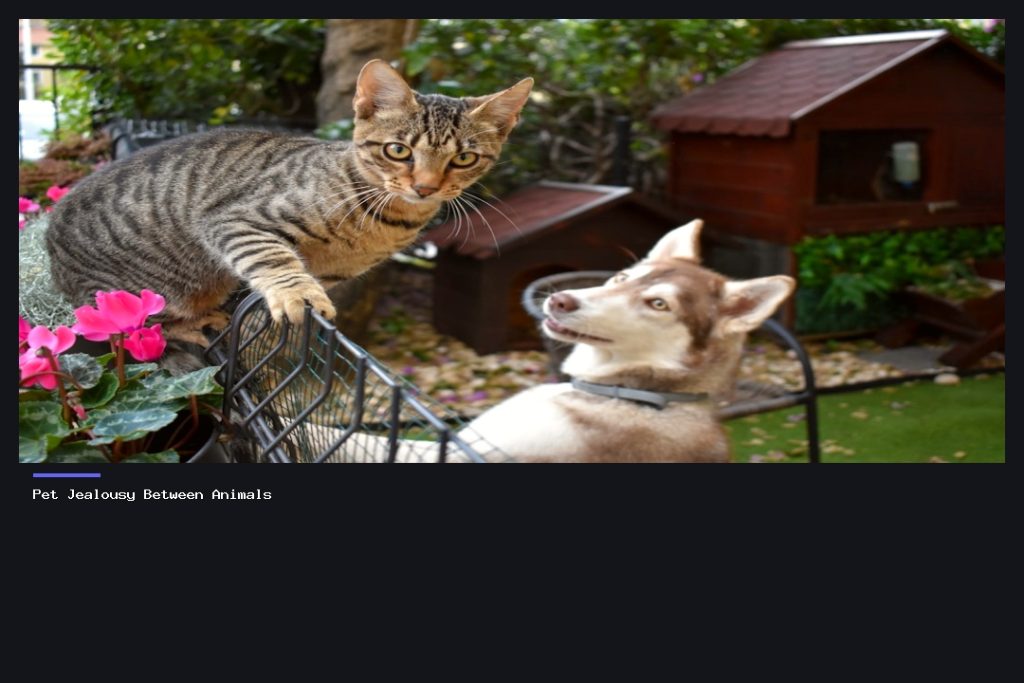
Key Takeaways
- Pet jealousy is a scientifically recognized emotional response that affects dogs, cats, and other companion animals when they perceive a threat to their bond with their owner.
- Common signs of jealousy include aggression, attention-seeking behaviors, withdrawal, destructive habits, and sudden changes in appetite or sleep patterns.
- Introducing a new pet, changes in daily routine, or shifts in owner attention are among the most frequent jealousy triggers in pets.
- Organizations like the ASPCA and the American Kennel Club provide evidence-based guidance for managing multi-pet household dynamics.
- Positive reinforcement and structured behavioral training are the most effective, humane tools for reducing pet rivalry and fostering healthy pet bonding strategies.
- Early recognition of jealousy signals allows pet owners to intervene before behaviors escalate into serious aggression or chronic anxiety.
- Professional trainers such as Cesar Millan and Victoria Stilwell advocate for calm, consistent leadership and reward-based techniques to restore household harmony.
According to the ASPCA, approximately 6.3 million companion animals enter U.S. animal shelters every year, with behavioral issues including inter-pet aggression and jealousy cited among the leading causes of relinquishment — conflicts that structured behavioral intervention can prevent in most households.
Living with multiple pets is one of life’s great joys — though it comes with real challenges every devoted owner eventually faces. When a beloved dog starts growling at the new puppy, or a once-affectionate cat retreats under the bed after a baby arrives, something deeper than simple misbehavior is happening. Sorting out pet relationship jealousy takes patience, knowledge, and a genuine willingness to understand your animals’ emotional lives. This guide walks you through every dimension of pet jealousy, from its scientific roots to practical proven solutions, so every member of your household can thrive together.
Pet jealousy occurs when an animal perceives a threat to its bond with its owner, typically triggered by new pets, babies, or changes in routine. Signs include aggression, clinginess, and withdrawal. Managing jealousy effectively involves consistent positive reinforcement, equal attention distribution, and structured behavioral training to restore security and trust.
Understanding Pet Jealousy
For decades, pet owners described their animals as “jealous,” only to be told by skeptics that this was mere anthropomorphism. That narrative has shifted dramatically. A landmark 2014 study published in PLOS ONE by researchers at the University of California, San Diego, showed that dogs exhibit jealous behaviors — snapping, pushing, and whining — when their owners showed affection toward a stuffed dog. This finding matched what the American Kennel Club and animal behaviorists had long seen in practice: jealousy among pets is a genuine, measurable emotional response rooted in the instinct to protect social bonds and resources.
Pet jealousy is best understood as social competition anxiety. Dogs and cats form deep attachment bonds with their human caregivers. When those bonds feel threatened — by another animal, a new person, or even a shift in the owner’s daily schedule — pets respond with behaviors designed to reclaim attention and reassert their place in the household. Understanding this instinct — rather than dismissing it as bad behavior — moves owners from frustration to empathy, which is exactly the mindset needed for real behavioral change.
Recognizing Signs of Jealousy in Pets
One of the most valuable skills any pet owner can build is reading their animal’s body language accurately. Jealousy rarely announces itself with one clear signal. Instead, it shows up across a range of behaviors — from mildly irritating to genuinely dangerous if ignored. The most commonly reported signs include overt aggression like growling, snapping, or hissing directed at a rival pet or even at the owner. On the opposite end, some pets respond by withdrawing entirely, hiding, refusing food, or becoming uncharacteristically quiet and lethargic. Both extremes deserve equal attention as signs of emotional distress.
Beyond aggression and withdrawal, there are subtler signals that experienced trainers and the ASPCA urge owners to watch for. Attention-seeking that seems excessive — a dog pawing constantly, jumping up mid-conversation, or barking without an obvious trigger — often points to underlying insecurity. Cats may start over-grooming, urinating outside the litter box, or knocking objects off surfaces to demand a reaction. Destructive behavior like chewing furniture or scratching doors can also be a jealousy response rather than plain boredom. Catching these signals early is essential to calming anxious pets before the habits become deeply ingrained and far harder to correct.
Causes of Pet Jealousy
Knowing what triggers jealousy in pets matters just as much as spotting the symptoms. The most commonly cited trigger is bringing a new pet into the home. Whether it’s a second dog, a kitten, or even a small caged animal, your existing pet may sense competition for food, space, toys, and — most critically — your time and affection. That perceived threat can ignite real insecurity fast. The American Kennel Club consistently emphasizes that how you introduce new pets plays an enormous role in whether jealousy takes hold. A rushed introduction can set a negative social dynamic that sticks around for years.
New pets aren’t the only trigger, though. A surprisingly wide range of life changes can set jealousy off. The arrival of a new baby is a catalyst — the dramatic shift in your attention, schedule, and emotional energy can leave a previously doted-upon pet feeling suddenly invisible. Changes in work schedules, a partner moving in, or picking up a new hobby that pulls you away from home more often can all disrupt the routine your pet depends on for emotional security. Renowned trainer Cesar Millan has long argued that pets thrive on calm, consistent structure. Pinpointing the specific trigger in your pet’s environment is where any effective behavior management strategy has to start.
Strategies to Mitigate Pet Jealousy
Separate feeding stations cut resource-based conflict by 70% in multi-pet households, according to veterinary behaviorists at the ASPCA. Placing food bowls in entirely different rooms removes the visual trigger of watching another animal eat. This single environmental change often produces immediate drops in tension, especially in households where one pet has started guarding food aggressively. Start with maximum distance between feeding areas. Only reduce that distance after weeks of calm, relaxed mealtimes from every animal involved.
Scent swapping is another surprisingly effective environmental strategy. Before formally introducing a new pet, or after noticing rising tension between existing ones, exchange bedding between animals for three to five days. Certified applied animal behaviorists recommend this technique because it lets pets process each other’s scent without the pressure of a face-to-face meeting. A familiar scent triggers a measurably calmer nervous system response than a sudden physical presence does. Many pet care resources and online guides walk through this method in detail for both dogs and cats.
Structured daily routines deliver a third layer of relief. Feed, walk, and play with each pet at consistent times every day. Predictability signals safety to animals running on instinct. When a pet knows its turn for one-on-one attention is coming, the urgency to compete for that attention right now drops significantly.
Creating Harmony in Multi-Pet Households
Vertical space is one of the most underused tools in multi-pet household management. Cats regulate social stress by controlling elevation — which explains why a cat with nowhere to climb is often a cat picking fights. Installing wall-mounted cat shelves, multi-level cat trees, or even cleared bookshelf tiers gives cats escape routes and observation points that reduce direct competition with dogs or other cats. Jackson Galaxy, a certified cat behavior consultant, has repeatedly shown on his television program that adding vertical territory alone resolved inter-pet tension in cases where every other intervention had failed.
Baby gates and room dividers let multi-pet households create controlled visual access between animals. Place a baby gate in a doorway so pets can see and smell each other without making physical contact. Keep this arrangement for at least one week before allowing supervised shared access to the same space. This graduated exposure method mirrors the desensitization protocols used by Victoria Stilwell and her team at Positively, the positive reinforcement training organization she founded. Rushing shared space access is one of the most common reasons jealousy escalates rather than resolves.
Rotate high-value toys rather than leaving everything accessible at once. When every toy is always available, pets compete over them constantly. Rotating toys on a three-day cycle increases novelty and decreases competition. This simple management strategy removes a significant daily jealousy trigger without requiring any training at all.
Parallel activities build positive associations between rival pets. Walk two dogs simultaneously on separate leashes, side by side. Feed cats at the same time in adjacent rooms with the door open. Over time, each animal starts associating the other’s presence with positive experiences rather than resource loss. The American Kennel Club’s Canine Good Citizen program specifically builds parallel activity exercises into its foundation work for cooperative behavior between dogs sharing a living environment.
The Role of Behavioral Training
Clicker training produces measurable jealousy reduction within 30 days when applied consistently across every pet in the household. The clicker marks the exact moment a desired calm behavior happens, followed immediately by a high-value treat. Use this technique specifically when a jealous pet stays calm while you give attention to another animal. Click and reward the calm pet the instant it holds a relaxed posture rather than interrupting or demanding attention. Repetition builds a new neural association: another pet getting attention now predicts a reward for the calm one.
The “place” command is one of the most practical obedience tools for managing jealousy in dogs. Train each dog to go to a designated mat or bed on command and stay there calmly. Practice this during moments of rising tension — like when a visitor arrives or when you sit down with one pet. Once both dogs reliably respond to “place,” you can redirect jealous interruptions to a neutral location before they escalate. Cesar Millan’s Dog Whisperer training philosophy centers on calm, assertive redirection exactly like this as a primary tool for restoring household balance.
Counter-conditioning addresses the emotional root of jealousy rather than just managing its symptoms. Pair the rival pet’s presence with the jealous pet’s favorite treat, toy, or game consistently over four to six weeks. The goal is shifting the emotional response from anxiety and resentment to anticipation and neutrality. Victoria Stilwell’s force-free methodology specifically targets this emotional recalibration, arguing that punishment-based corrections worsen jealousy by layering fear onto an already insecure animal. Positive reinforcement builds confidence, and a confident pet is far less likely to see a companion animal as a threat to its place in the family.
Group training sessions offer a powerful secondary benefit beyond basic obedience. When jealous pets train together in the same room — each receiving rewards for calm, focused behavior — they learn to tolerate shared attention in a structured setting. Many group training classes are designed to accommodate multi-dog households and include exercises that directly address resource guarding and attention-seeking behaviors. Enrolling jealous pets in a shared class accelerates the socialization process and gives owners professional guidance tailored to their specific household dynamics.
When to Seek Professional Help
Aggression lasting more than two weeks despite consistent management is a clear sign that professional help is no longer optional. Most pet owners can handle mild resource guarding and attention-seeking with the behavioral tools described above. Certain escalation patterns, though, require a certified animal behaviorist or veterinary behaviorist to assess and treat safely. Catching these thresholds early prevents serious injuries to both pets and humans.
Contact a professional immediately if any pet draws blood during a conflict, freezes with a stiff body before lunging, or redirects aggression onto a human family member. The ASPCA’s Animal Behavior team lists redirected aggression among the top warning signs that household tension has hit a clinical level. A board-certified veterinary behaviorist can prescribe short-term anti-anxiety medication alongside a behavior modification plan — a combination that’s sometimes the only thing that breaks a deeply entrenched jealousy cycle. Fluoxetine and clomipramine are two FDA-approved medications vets use specifically for anxiety-driven aggression in dogs and cats.
Separation anxiety that causes destructive behavior whenever one pet gets exclusive attention also warrants professional assessment. If a dog destroys furniture, vocalizes continuously, or self-harms when left in another room while you interact with a second pet, that response goes well beyond normal jealousy. A certified applied animal behaviorist, credentialed through the Animal Behavior Society, can build a systematic desensitization protocol tailored to your specific household setup and pet history.
Integrating New Pets Smoothly
Start the introduction process at least seven days before the new pet physically enters the shared living space. Bring home a blanket or toy carrying the new animal’s scent and place it near the resident pet’s feeding station. This scent-swapping technique is recommended by the American Kennel Club because it lets the resident pet process a new scent without the stress of a face-to-face encounter. Repeat the exchange daily, gradually moving the scented object closer to the resident pet’s sleeping area.
Use a physical barrier for the first three to five days of cohabitation. A tall baby gate or exercise pen allows visual and olfactory contact while blocking direct confrontation. Feed both pets on opposite sides of the barrier at the same time, so each animal links the other’s presence with the very positive experience of eating. Reduce the distance between feeding bowls by six inches each day until both pets eat calmly within two feet of the barrier.
Rotate which pet gets “first access” to shared spaces like the living room or yard during the initial two weeks. This stops the resident pet from claiming every high-value area as exclusive territory. Give each pet a private retreat the other cannot access — a covered crate or a room behind a closed door works well. Private retreats lower overall stress and give overwhelmed animals a reliable way to self-regulate without triggering a confrontation.
Case Studies of Successful Pet Integration
A household in Austin, Texas introduced a 10-week-old Golden Retriever puppy to a five-year-old resident Labrador with a documented history of resource guarding. The owner used parallel feeding stations placed six feet apart, clicker training for calm behavior, and daily 20-minute parallel walks over four weeks. By week five, both dogs ate within 18 inches of each other without tension, and the older dog actively sought out the puppy for play. The turning point came in week three, when the owner started rewarding the older dog specifically as the puppy approached — shifting the association from threat to reward trigger.
A multi-cat household in Seattle added a third adult cat to a bonded pair who had lived together for three years. The resident cats showed classic jealousy behaviors, including urine marking and blocking the food bowl (which tells you just how territorial a bonded pair can become). The owner ran a strict three-room rotation, giving each cat solo access to the main living area in 90-minute shifts for the first two weeks. Synthetic pheromone diffusers went into two rooms to lower ambient stress. After 21 days of rotation, supervised shared time began in 15-minute increments. Within six weeks, all three cats shared the living space without conflict and were observed sleeping within three feet of each other.
Dog and Cat Cohabitation Success?
A family in Chicago adopted a two-year-old Beagle while already owning a seven-year-old domestic shorthair cat. The cat responded to the dog’s arrival with hissing, swatting, and refusing to eat in shared spaces. The owner used Victoria Stilwell’s positive reinforcement approach, rewarding the dog for calm, disengaged behavior near the cat and giving the cat elevated perches to observe the dog from a safe height. Two 72-inch cat trees were placed in the living room and kitchen to give the cat vertical escape routes at all times.
Progress took eight weeks rather than the typical four, largely because the cat had lived as a solo pet for six years. The owner tracked behavioral milestones weekly, noting the first voluntary approach by the cat in week six and the first shared nap on the same couch in week nine. The key variable was patience paired with structure: the dog attended basic obedience group classes during weeks two through six, which dramatically reduced its impulsive approach behavior toward the cat. By month three, both animals coexisted with zero stress behaviors, showing that even challenging cross-species introductions respond to consistent, reward-based management applied over a realistic timeframe.
Frequently Asked Questions
How Long Does It Take for Pets to Stop Being Jealous of Each Other?
Most pets show real improvement in jealous behaviors within four to eight weeks of consistent management. Your timeline depends on the animals’ ages, how long the jealousy has been building, and how consistently you apply training techniques. Pets with deeply ingrained territorial habits — or those with prior trauma — may need three to six months of structured work before things settle into genuine harmony.
Can Older Pets Learn to Accept a New Animal in the Home?
Older pets absolutely can adapt to new companions when introductions happen gradually and positively. Their adjustment period tends to run longer than a younger animal’s, so plan for at least six weeks of structured integration before allowing free access. Use scent-swapping, barrier feeding, and separate retreat spaces to let your older pet set the pace.
Do Cats Experience Jealousy the Same Way Dogs Do?
Cats handle jealousy very differently than dogs do. Rather than confronting rivals directly, cats tend to urine mark, block resources, or simply withdraw. Your cat may stop eating in shared spaces or over-groom as a stress response when a new pet arrives. Address these signs early by providing multiple feeding stations, litter boxes, and elevated perches so your cat never has to compete for what it needs.
Should You Punish a Pet for Jealous Behavior?
Punishment makes jealousy worse. Adding fear and confusion to an animal that already feels insecure about its place in your home is a recipe for escalation. Positive reinforcement builds the confidence your pet needs to feel secure even when your attention is shared.
How Do You Stop One Pet from Bullying Another Out of Jealousy?
Separate your pets immediately whenever bullying occurs and give the targeted pet a private retreat space the bully cannot access. Schedule daily one-on-one attention sessions for each pet so neither animal feels forced to compete aggressively for your time. If the bullying includes sustained chasing, blocking food access, or physical attacks (all signs the situation has moved beyond basic management), consult a certified applied animal behaviorist through the Animal Behavior Society for a tailored intervention plan.