Key Takeaways
- Dogs become overexcited during play due to deeply rooted natural instincts, including prey drive and pack behavior inherited from their wolf ancestors.
- Recognizing physical and behavioral signs of overexcitement — such as zoomies, excessive barking, and nipping — is the first step toward managing your dog’s energy safely.
- Common causes of overstimulation include insufficient daily exercise, poor socialization history, and a lack of consistent obedience training.
- Breed, age, and individual temperament all play significant roles in how intensely a dog reacts during playtime sessions.
- Structured play routines, positive reinforcement training, and appropriate toys like KONG toys can dramatically reduce hyperactive behavior.
- Consulting a pet behaviorist or following guidance from experts like Cesar Millan can provide personalized strategies for managing a hyperactive dog.
- Early socialization and consistent dog training methods are the most effective long-term solutions for overexcited play behavior.
Millions of dog owners deal with canine excitement that escalates fast during play — leaving them frustrated, sometimes injured, and unsure what to do next. Understanding why your dog gets too excited during play is the essential first step. It creates safer, more enjoyable interactions for both of you.
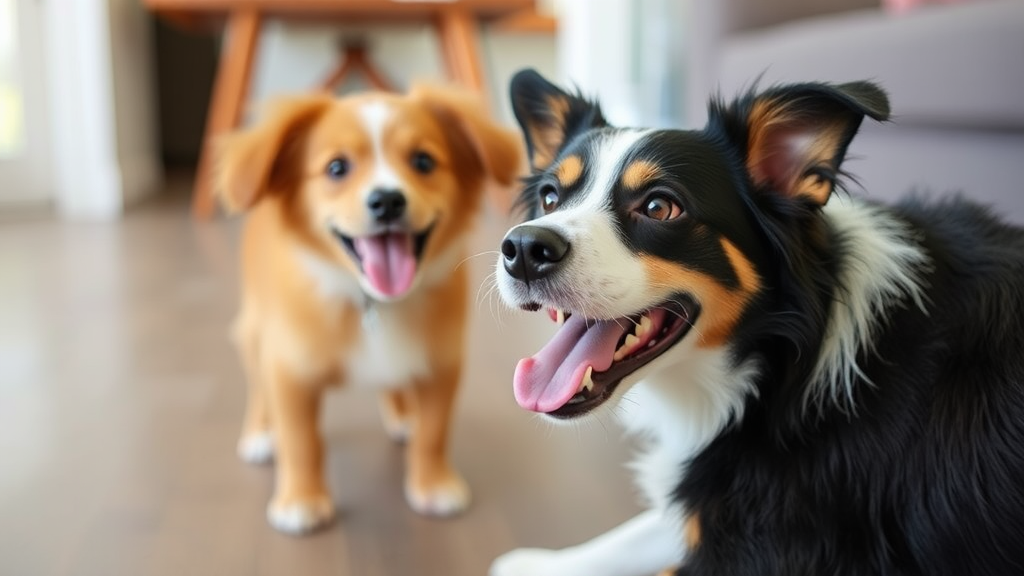
Dogs get too excited during play because of natural instincts like prey drive, high energy levels, and emotional arousal triggered by movement and interaction. Overstimulation can lead to nipping, jumping, and loss of impulse control. Recognizing the signs early and applying consistent training methods helps manage and redirect this intense canine excitement effectively.
Understanding Dog Excitement During Play
To understand why your dog gets so intensely wound up during play, it helps to look at canine evolutionary history. Dogs descended from wolves, and despite thousands of years of domestication, many core behavioral instincts remain deeply hardwired. Play in dogs is not simply recreational. It is a rehearsal for survival skills like chasing, capturing, and wrestling. When your dog chases a ball or tugs a rope toy, their brain fires in ways that mirror ancient hunting sequences. The brain’s reward system floods with dopamine, making it genuinely hard for your dog to pump the brakes.
According to the American Kennel Club, play serves critical developmental functions in dogs of all ages, building social skills, physical coordination, and emotional regulation. The same neurological processes that make play so enriching can also trigger overstimulation when excitement goes unmanaged. Fast-moving objects, high-pitched voices, other dogs nearby, or even you simply standing up and reaching for a leash can activate what behaviorists call an “arousal cascade”. Once a dog hits this heightened state, their capacity for trained behavior temporarily drops.
Signs Your Dog is Overexcited
Spotting the physical and behavioral signs of overexcitement early lets you step in before play turns unsafe. One of the most recognizable signs is the “zoomies” — formally called Frenetic Random Activity Periods (FRAPs) — where dogs sprint in erratic circles or figure-eights at full speed. Other physical indicators include a stiff, rapidly wagging tail held high, dilated pupils, excessive panting without much physical effort, and a tense or rigid body instead of a loose and relaxed one. Jumping repeatedly, spinning in place, and mouthing or nipping at hands, clothing, or other dogs with growing intensity are all red flags worth catching early.
Behavioral signs are equally telling and should never be brushed off as simple enthusiasm. An overexcited dog may go selectively deaf to commands they normally follow, ignore “leave it” or “sit” cues entirely, and display mounting behavior or resource guarding — even over familiar toys (something that genuinely surprises owners who have never seen it before). Excessive, high-pitched barking that keeps climbing in frequency is another strong sign your dog has crossed from engaged play into overstimulation. Pet behaviorist advice from professionals aligned with the Dog Whisperer philosophy, including Cesar Millan‘s work, consistently points out that these signals are your dog’s way of saying they need calm, structured intervention — not more excitement. Catching them early protects your dog’s emotional wellbeing and keeps everyone in the play session physically safe.
Causes of Overstimulation in Dogs
Several well-documented causes of overstimulation in dogs exist, and knowing them helps you tackle the root problem rather than just manage symptoms. One of the most common is insufficient daily exercise. Dogs — especially high-energy breeds — need serious physical activity to stay neurologically balanced. When pent-up energy has nowhere to go, even a short play session can trigger an explosive release. Inconsistent or inadequate dog exercise routines leave dogs in a chronic state of low-level frustration, making them far more prone to losing impulse control the moment something exciting appears. Staff at stores like PetSmart regularly advise owners to lock in a daily exercise schedule before trying to fix behavioral issues during play.
Poor or incomplete socialization is another major contributor to overexcitement. Dogs not properly exposed to other animals, people, environments, and play styles during their critical developmental window — typically between three and fourteen weeks of age — often lack the social literacy to manage their own arousal in group settings. They can get overwhelmed by normal play signals from other dogs, reading friendly gestures as threats or invitations to escalate. A lack of consistent training also drives hyperactive dog behavior. Without a foundation of Positive Reinforcement Training, dogs never develop the impulse control needed to self-regulate during high-stimulation activities. When a dog has never learned to pause, check in with their owner, or respond to a calm cue mid-play, excitement spirals fast into behavior that feels unmanageable and potentially dangerous.
The Impact of Breed on Play Behavior
Border Collies, Belgian Malinois, and Jack Russell Terriers consistently rank among the highest-energy breeds documented by the American Kennel Club, and their play behavior reflects that directly. Herding and working breeds were selectively developed over centuries to sustain intense focus and physical output for hours at a stretch. When that same drive kicks in during a backyard play session, you get a dog that escalates rapidly and struggles to downshift. Their nervous systems are literally wired for high arousal — which makes overexcitement during play a breed-typical behavior rather than a training failure.
Sporting breeds like Labrador Retrievers and Golden Retrievers bring a different energy profile. They tend to show sustained enthusiasm and social engagement rather than the sharp, reactive spikes you see in herding breeds. This makes them more prone to prolonged overstimulation through social play, especially with multiple dogs or children. Toy breeds, on the other end of the spectrum, can genuinely surprise owners with intense bursts of excitement despite their small size. A Chihuahua or Pomeranian can hit a high arousal state just as fast as a larger working breed, but the triggers are often different — sudden movements, unfamiliar dogs, or loud sounds during play.
Scent hounds like Beagles and Basset Hounds tend to get overexcited when smell-based stimuli enter the picture during outdoor play sessions. Their olfactory-driven excitement runs on a different pathway than visually driven breeds like Greyhounds or Whippets, which can hit peak arousal in seconds when a fast-moving object crosses their field of vision. Design play sessions that work with your dog’s biology rather than against it.
Effective Calming Techniques for Dogs
The “three-second rule” is a practical threshold professional trainers swear by: if your dog hasn’t responded to a calm cue within three seconds of peak excitement, remove the stimulus entirely. Don’t repeat the command. Giving commands to an overexcited dog just reinforces the habit of ignoring you. Structured timeouts of 30 to 60 seconds in a neutral space — away from toys and other dogs — let your dog’s cortisol levels start dropping before you re-engage. This approach aligns directly with Positive Reinforcement Training principles, which reward calm behavior rather than punish excitement.
Cesar Millan’s technique of projecting calm, assertive energy before and during play sessions has real merit backed by animal behavior science. Dogs read body language constantly. An owner who tenses up, raises their voice, or mirrors the dog’s excitement unintentionally signals that the high-energy state is fine — (which is exactly how a five-minute play session spirals into chaos). Dropping your shoulders, slowing your movements, and speaking in a low, even tone actively communicates that calm engagement is the expected mode. Practice this consistently across multiple sessions before expecting reliable results.
Building Structured Play Breaks Into Every Session
Scheduled pauses every five to seven minutes during active play give your dog’s arousal system a chance to reset before excitement builds past the point of no return. Set a timer if needed. During each pause, ask your dog to sit or lie down, reward calm compliance with a small treat, and wait until their breathing visibly slows before resuming. This technique — sometimes called “play-pause-reward” — trains dogs to associate brief stillness with positive outcomes rather than treating calm like a punishment.
Leash-guided play is another underused tool for managing excitement during group or outdoor sessions. Keeping a lightweight drag line on your dog’s harness gives you a physical way to interrupt escalating behavior without grabbing at the dog, which can itself trigger more excitement. A five-foot drag line from brands like Ruffwear provides enough control to guide your dog away from a high-arousal interaction without creating conflict. Pair this with a consistent verbal cue like “easy” or “settle,” and over four to six weeks, most dogs start responding to the verbal cue alone.
Choosing the Right Toys to Manage Excitement
KONG toys filled with frozen peanut butter or wet food redirect your dog’s focus from chaotic physical play to sustained, calm licking and chewing. That shift activates the parasympathetic nervous system and measurably lowers heart rate. Lick mats serve the same neurological function and work especially well as a cool-down tool at the end of a play session. Both options move your dog from a high-arousal, reactive state into a focused, self-soothing pattern.
Avoid toys that rely on fast, unpredictable movement when your dog already struggles with overexcitement. Laser pointers, high-bounce rubber balls, and motorized prey toys can push visually sensitive breeds into an obsessive arousal loop that’s genuinely hard to interrupt. Instead, choose puzzle feeders, snuffle mats, and tug toys with a defined stopping point. Tug is a healthy outlet for dogs prone to overexcitement, provided you establish a clear “drop it” cue and end the game before arousal peaks.
PetSmart carries a solid range of calming toys including the Outward Hound Hide-A-Squirrel puzzle and the Nina Ottosson Dog Tornado — both channel energy into problem-solving rather than physical escalation. Rotating toys every three to four days also prevents habituation, keeping your dog engaged at a moderate excitement level rather than spiking into overarousal over the same familiar object. Matching toy type to your dog’s breed drive and current energy level is one of the most direct ways to shape a calmer, safer play experience.
Training Methods to Reduce Overexcitement
The “four on the floor” rule from the American Kennel Club gives dog owners a concrete starting point. Any time all four paws leave the ground during play, the game stops immediately. This boundary teaches dogs that jumping, lunging, and frantic spinning end the fun rather than escalate it. Apply the rule consistently across every play session and every family member. Inconsistency is the single fastest way to undermine progress with an overexcited dog.
Positive Reinforcement Training is the most evidence-backed approach for reshaping play behavior in dogs. The core mechanic is simple: reward calm behavior with treats, praise, or continued play access. Withhold rewards when arousal climbs past an acceptable threshold. Over three to five weeks of daily five-minute sessions, most dogs start self-regulating more quickly because they learn calm behavior produces better outcomes than frantic energy. Use high-value treats like small pieces of real chicken or Zuke’s Mini Naturals during training to hold your dog’s attention when arousal is already elevated.
Threshold Training During Active Play
Threshold training targets the exact moment before a dog tips into overexcitement. Watch for early arousal signals: dilated pupils, a stiff tail, rapid panting, or a locked gaze on a toy or playmate. The moment you spot two or more of these signals together, redirect immediately. Ask for a known behavior like “sit” or “touch,” reward compliance, and give the dog thirty seconds of calm before reintroducing the stimulus. This keeps the dog operating just below their arousal threshold rather than blowing past it.
Cesar Millan, host of Dog Whisperer, emphasizes calm-assertive energy from the owner during play. If you match your dog’s frantic energy by shouting, running, or flailing your arms, you signal that high arousal is the correct emotional state for the moment. Lower your voice, slow your movements, and breathe deliberately when your dog begins escalating. Dogs read body language faster than verbal cues — which means your slouched, frantic posture is often undoing your verbal commands in real time. Your physical calm communicates more clearly than any command you could give.
The “sit before play resumes” protocol ranks among the most effective threshold training tools available. Every single time you pick up a toy, open the backyard gate, or clip on a leash, require your dog to sit and hold the position for three full seconds before play begins. This creates a pattern interrupt that shifts the dog’s brain from reactive to controlled. After four weeks of consistent application, most dogs begin offering the sit automatically at the sight of a toy or leash.
Integrating Socialization into Playtime
Structured group play sessions with two to three familiar dogs reduce overexcitement faster than solo play in most cases. Dogs that play regularly with well-matched companions learn to read canine body language signals like a play bow, a turned head, or a hip check. These signals naturally regulate arousal between dogs without human intervention. The American Kennel Club’s socialization guidelines recommend exposing dogs to varied play partners, surfaces, and environments between eight and sixteen weeks of age to build this emotional regulation capacity early.
Poorly socialized dogs often show the most extreme overexcitement during play because every interaction feels novel and overwhelming. A dog that rarely sees other dogs treats each encounter as an emergency-level event. Controlled, short exposure sessions of ten to fifteen minutes with calm, neutral dogs help desensitize this response over time. Choose playmates that naturally disengage and take breaks on their own. These dogs model appropriate self-regulation and give your dog a template to follow.
Supervised group classes at facilities like PetSmart’s dog training program also provide structured socialization in a managed environment. Trainers can step in before arousal peaks and redirect group energy before it spirals. This setting removes the pressure from the owner to manage every interaction alone. Dogs get a consistent, low-stakes space to practice calm play behavior repeatedly — and that repetition is ultimately what makes the behavior stick.
Building a Structured Playtime Routine
A fixed daily schedule cuts anticipatory overexcitement significantly within the first two weeks. Dogs that know play happens at 7:00 AM and 5:00 PM stop spending the entire day wound up waiting for an unpredictable reward. Predictability lowers baseline stress hormones. Keep sessions to twenty to thirty minutes for high-energy breeds and ten to fifteen minutes for smaller or older dogs. Timing consistency matters more than session length.
Start every session with two minutes of low-stimulation activity like sniff work or a short leash walk. This primes your dog’s brain for engagement without spiking arousal right out of the gate. End every session with a five-minute cool-down using a KONG toy, a lick mat, or a brief massage along the dog’s shoulders and spine — a closing ritual most owners skip entirely. This signals to the nervous system that active play has ended and rest is appropriate. Dogs that get a consistent closing routine settle faster and stay calmer between sessions.
Balancing High-Energy and Calm Activities
A well-structured play routine alternates between aerobic activity and mental engagement in roughly equal parts. Spend fifteen minutes on physical exercise like fetch or tug, then shift to ten minutes of puzzle feeding or scent work. This balance prevents the single-mode arousal loop where a dog gets stuck in pure physical excitement with no cognitive outlet. Mental stimulation tires dogs more efficiently than physical exercise alone. A thirty-minute sniff walk burns more mental energy than a ten-minute sprint for most breeds.
Track your dog’s arousal recovery time after each session for the first two weeks. A well-regulated dog should return to a resting state within ten to fifteen minutes of play ending. If your dog is still pacing, whining, or unable to settle after thirty minutes, the session ran too long or too hard. Shorten the next session by five minutes and watch what changes. Adjust the routine based on your specific dog’s recovery pattern rather than following a generic schedule that may not fit their energy level at all.
Write the routine down and post it where every household member can see it. Dogs managed inconsistently across different people make slower behavioral progress. Everyone interacting with the dog needs to use the same start cues, the same pause intervals, and the same cool-down protocol.
When to Seek Professional Help?
Call a certified applied animal behaviorist first when your dog’s overexcitement escalates to biting that breaks skin, even during play. Mouthing and nipping are common in excited dogs, but puncture wounds signal a threshold problem that goes beyond standard training fixes. The American Kennel Club recommends consulting a professional trainer or behaviorist whenever play aggression becomes repetitive and can’t be interrupted with basic verbal cues.
Watch for these specific warning signs that make professional intervention non-negotiable. If your dog can’t disengage from arousal within thirty minutes of play ending, that’s a red flag. If your dog redirects excitement onto children or elderly family members with physical force, that’s a safety issue requiring immediate professional assessment. If two or more household dogs regularly escalate from play into genuine fighting during or after sessions, a certified professional can observe the interaction dynamics and pinpoint the trigger points that owners often miss entirely — details that only show up when someone trained is watching.
Reactivity that worsens over time despite consistent home training also warrants professional evaluation. Some dogs have underlying anxiety disorders or neurological sensitivities that make standard positive reinforcement training insufficient on its own. A veterinary behaviorist can rule out medical contributors like thyroid imbalances or chronic pain that express themselves as hyperarousal during play. Skipping this step and training around an undiagnosed physical condition delays progress and can make the behavior harder to modify later.
Choosing the Right Professional for Your Dog
Three distinct professional types serve different needs for overexcited dogs. A certified professional dog trainer handles foundational obedience and play structure for dogs with mild to moderate overexcitement. A certified applied animal behaviorist addresses more complex behavioral patterns rooted in anxiety or arousal dysregulation. A veterinary behaviorist holds a veterinary degree plus behavioral specialization and can prescribe medication alongside a behavior modification plan when needed.
Cesar Millan’s Dog Whisperer approach popularized calm, assertive energy as a management tool, and many owners find pack-leadership frameworks intuitive. The Association of Professional Dog Trainers and most board-certified veterinary behaviorists, however, now favor science-backed positive reinforcement training for overarousal cases. Positive Reinforcement Training builds reliable calm behaviors by rewarding the dog for disengaging rather than correcting the excitement itself. This distinction matters because punishing excitement often raises anxiety — which feeds directly back into the overarousal cycle.
PetSmart’s Accredited Dog Training program offers an accessible starting point for owners dealing with mild overexcitement in young dogs. Group classes provide structured socialization and basic impulse control work at a reasonable cost. For more severe cases, private sessions with a certified behaviorist deliver individualized assessment and a tailored behavior modification plan. Expect a professional behavior consultation to include a detailed history intake, a live observation session, and a written protocol with follow-up check-ins over six to twelve weeks.
Setting Realistic Expectations for Behavior Change
Behavior modification for overexcited dogs takes a minimum of four to eight weeks of consistent daily practice before measurable change becomes stable. Some dogs with deep-rooted arousal patterns need three to six months of structured work. Set a weekly benchmark rather than expecting dramatic overnight shifts. Track one specific behavior — like how quickly your dog responds to a stop cue during play — and measure improvement in seconds rather than hunting for a complete personality transformation.
Owners who work with a professional and apply the protocol consistently seven days a week see faster results than those who train sporadically. Your dog can’t generalize calm play behavior from two sessions a week. Daily repetition builds the neural pathways that make impulse control automatic rather than effortful. Celebrate small wins, like your dog voluntarily offering a sit during play without being prompted (those moments are genuine neurological progress, not just good luck), because they represent real movement toward a calmer, safer play experience for everyone involved.
Frequently Asked Questions
How do I know if my dog’s excitement during play has crossed into aggression?
Watch for a stiff body posture, a hard fixed stare, or growling that sounds lower and more sustained than playful vocalizations. Playful excitement usually comes with loose, wiggly movement and a relaxed open mouth — two things that disappear fast when real tension sets in. If your dog’s play biting leaves marks on skin, or your dog can’t be redirected with a verbal cue, consult a certified applied animal behaviorist for a professional assessment as soon as possible.
At what age do dogs typically start to calm down during play on their own?
Most dogs begin showing natural impulse control improvements between eighteen months and three years of age as their prefrontal cortex matures. High-energy breeds like Border Collies or Belgian Malinois may not show significant self-regulation until age three or four (which catches a lot of owners completely off guard). Don’t wait for age alone to fix overexcitement — consistent training during the first two years shapes lifelong play behavior far more effectively than time alone.
Can the food my dog eats affect how excited they get during play?
Yes. Diets high in simple carbohydrates can contribute to energy spikes that make arousal harder to manage. Blood sugar fluctuations after high-starch meals increase restlessness and chip away at impulse control. Talk to your veterinarian about whether a higher-protein, lower-glycemic diet might support more stable energy levels throughout the day.
How long should a single play session last to avoid overexcitement?
Keep active play sessions to fifteen to twenty minutes for medium and large breeds, and ten to fifteen minutes for small or senior dogs. Break each session with a two-minute pause where your dog performs a calm behavior — a sit or a down works well — before continuing. Ending the session while your dog still has energy left is more effective than playing until they’re fully exhausted and dysregulated.
Do KONG toys actually help calm an overexcited dog after play?
KONG toys filled with frozen peanut butter or wet food give your dog a focused, repetitive licking task that activates the parasympathetic nervous system and promotes physical calm. Use a KONG Classic or KONG Extreme immediately after every play session as a consistent cool-down ritual.
How does dog socialization affect overexcitement levels during play?
Dogs with limited socialization history often become overstimulated faster around other dogs because the whole experience feels novel and unpredictable to them. Gradual, structured exposure to calm, well-matched play partners teaches your dog that social interaction doesn’t require frantic arousal to be rewarding. Enroll in a structured group class, or arrange short supervised playdates with one familiar dog at a time — a slow build that most owners skip too quickly — to develop your dog’s social confidence at a manageable pace.