Key Takeaways
- Training a cat is not only possible but genuinely powerful for strengthening the bond between pet and owner.
- Understanding feline behavior signals and communication patterns is the foundation every successful cat training program needs.
- Positive reinforcement and clicker training are among the most effective and humane cat training techniques available today.
- Experts like Jackson Galaxy and organizations like the ASPCA champion reward-based cat training over punishment-based methods.
- Knowing how feline cognitive development works helps owners set realistic training goals and timelines.
- Patience, consistency, and the right training tools are the three pillars of long-term training success.
- Building trust with a cat before and during training dramatically improves responsiveness and cuts down on behavioral resistance.
Introduction to Educating Cats
This widespread misconception has caused millions of cat owners to miss out on one of the most rewarding parts of pet ownership: successfully training a cat. The truth is that cat training is not only achievable — it genuinely shapes a healthier, happier relationship between feline companions and their human families. Whether you’re teaching commands like “sit” and “stay,” curbing destructive scratching, or working on litter box behavior, training opens a real channel of communication that changes how you and your cat interact every single day.
Organizations like the ASPCA and leading pet retailers such as Petco and Chewy have long championed feline education, offering resources, guides, and products designed to support cat owners through the training journey. Renowned feline behaviorist and television personality Jackson Galaxy has spent decades showing that even the most challenging cats can be guided toward positive behavioral changes with the right approach. When you commit to training your cat, you’re not simply teaching tricks. You’re investing in your cat’s mental stimulation, emotional security, and overall well-being. This guide covers every critical aspect of the cat learning process, from reading feline behavior to tackling training challenges and tracking progress over time.
Educating and instructing a cat is significant because it strengthens the pet-owner bond, promotes mental stimulation, and reduces behavioral problems. Using reward-based cat training methods such as positive reinforcement and clicker training, owners can teach commands, modify unwanted behaviors, and build lasting trust with their feline companions.
Understanding Cat Behavior
Before any meaningful behavior modification can happen, you need a solid grasp of how cats think, communicate, and process their environment. Cats are not small dogs — their motivations, social structures, and learning styles are fundamentally different. Felines are solitary hunters by nature, hardwired for independence and self-sufficiency. A cat’s actions are rarely random. Tail positions, ear orientations, vocalizations, and body postures all carry specific meanings. A slowly blinking cat is expressing trust and comfort, while flattened ears signal fear or aggression. Reading these communication signals fluently is the foundation every effective training plan needs.
Feline cognitive development also shapes how and when training should be approached. Kittens between two and seven weeks old are in their primary socialization window, making early exposure to humans, handling, and new environments especially impactful. Adult cats, though, are far from a lost cause — their brains stay capable of learning new behaviors throughout their lives, especially when sessions are kept short, positive, and consistent. Jackson Galaxy often stresses the importance of understanding a cat’s unique “mojo,” or personality type, before designing any training plan. Whether your cat is confident and curious or shy and reactive, matching your method to their personality dramatically raises the odds of success. For deeply ingrained behavioral patterns, consulting a professional feline behaviorist can give you insights that no guide can fully replace.
Training Methods for Cats
Animal behaviorists, vets, and organizations like the ASPCA all agree on one thing: reward-based cat training beats punishment every time. Positive reinforcement works on a simple but powerful principle — behaviors followed immediately by something pleasurable are more likely to happen again. High-value treats, enthusiastic verbal praise, and play sessions are the most common rewards used. Timing matters enormously here. You must deliver the reward within seconds of the desired behavior so your cat connects the action to the outcome. This approach respects your cat’s autonomy while making the whole experience genuinely enjoyable for both of you.
Clicker training is one of the most precise cat training methods available — and one that’s often underestimated by new owners. A clicker is a small handheld device that makes a distinct clicking sound. You first “charge” it by pairing clicks repeatedly with treats until your cat understands that a click always predicts a reward. Once that association clicks (so to speak), the device becomes a powerful communication tool that marks the exact moment a desired behavior occurs. Retailers like Chewy and Petco make it easy to get started with affordable clicker kits and training treat bundles. Beyond clicker training, other solid methods include target training, lure-and-reward training, and shaping — where you gradually reinforce closer and closer approximations of a behavior until the full behavior emerges. Each of these aligns with how feline cognition naturally works, making the learning process intuitive and stress-free.
Essential Training Tools and Supplies
A standard i-Click clicker from Karen Pryor Clicker Training costs under $5 and remains one of the sharpest tools for marking desired behaviors with precision. Pairing it with high-value treats builds a communication bridge between you and your cat that verbal praise alone just can’t replicate. Both Chewy and Petco stock beginner-friendly training bundles — clickers, treat pouches, and target sticks all in one kit — so you can start without any guesswork.
Treats are arguably the most important variable in reward-based training. Not all treats carry equal motivational power. Freeze-dried chicken or salmon tends to rank highest in palatability for most cats. Feline behaviorists frequently recommend brands like Vital Essentials and Inaba’s Churu squeezable paste because they’re easy to deliver fast and cats rarely lose interest in them. Keep treat portions tiny — roughly the size of a pea — to avoid caloric overload during repeated sessions. The ASPCA advises keeping total treat calories under 10% of your cat’s daily intake.
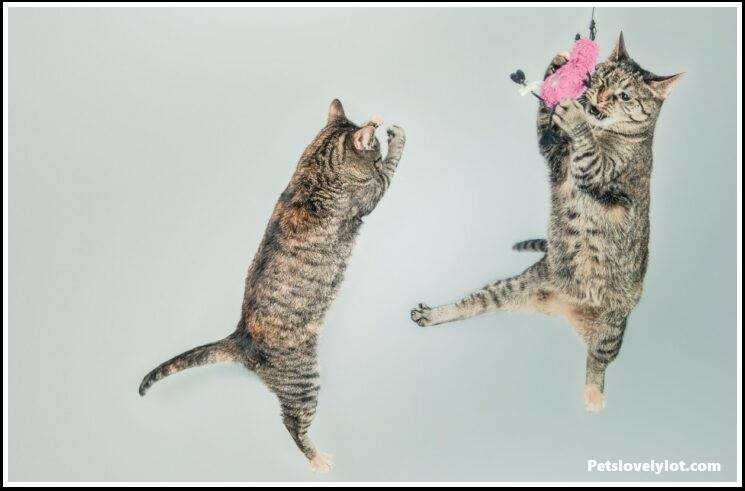
Target sticks like the PetSafe Clik-R Target Stick teach cats to follow a specific point with their nose or paw. That skill becomes the foundation for more advanced behaviors like sitting, spinning, and jumping on command. Toys also work as powerful non-food rewards, especially for prey-driven cats who respond more to play than treats. A wand toy like Da Bird from Go Cat can double as both a training reward and an engagement tool during sessions. A soft mat or designated training spot helps signal that learning time has begun, building a consistent environmental cue your cat will start to recognize over time.
Steps to Start Training a Cat
Start every first session by spending five minutes sitting near your cat without initiating any interaction. This builds baseline comfort and signals that your presence predicts calm, positive things. Cats don’t respond well to rushed introductions to new activities. The ASPCA’s cat training guidelines suggest starting with a single, simple behavior — most commonly “sit” — before moving on to anything more complex.
Session length matters more than most people realize. Keep each session to three to five minutes maximum. Cats have shorter voluntary attention spans than dogs, and pushing past their threshold leads to disengagement or stress. Two short sessions per day produce better results than one long one. Training at the same time each day also helps, since consistency builds anticipation and mental readiness in your cat.
Teaching the First Command Step by Step
Hold a small treat directly above your cat’s nose and slowly move it backward over their head. Most cats will naturally lower their hindquarters into a sit to keep the treat in sight. The instant their bottom touches the ground, click and deliver the treat immediately. Repeat this sequence five to eight times per session. After three to four successful sessions, start adding the verbal cue “sit” just before you initiate the lure motion.
Once your cat reliably connects the verbal cue to the behavior, begin fading the lure. Offer the hand motion without the treat visible, then reward from your other hand after the click. This prevents your cat from only responding when food is in plain sight. Karen Pryor Academy outlines this lure-fading process clearly in their feline training resources. Gradually increase the delay between the behavior and the reward to build duration and reliability over multiple weeks.
Progressing to New Behaviors
Only add a new behavior after your cat performs the previous one correctly at least 80% of the time across three consecutive sessions. Stacking new commands too quickly confuses cats and chips away at the learning already achieved. Target training with a stick is an excellent second behavior to introduce, since it generalizes into many other useful commands. Always end every session on a successful repetition — even if that means asking for an easier, well-known behavior just to finish on a high note.
Common Challenges in Cat Training
Distraction is the single most reported obstacle cat owners face during training sessions. A cat that suddenly loses interest, walks away, or fixates on a noise outside isn’t being stubborn — it’s simply responding to a more compelling stimulus. Train in a quiet, enclosed room with minimal foot traffic. Close windows, mute televisions, and remove other pets from the space before you begin.
Handling Disengagement and Refusal
Cats that disengage mid-session are often overtired, overstimulated, or bored with the same treat. Switch treat varieties when motivation drops. Rotate between three to four different high-value treats across sessions to keep things fresh. If a cat walks away, don’t call them back or force re-engagement. End the session and try again at a different time. Forcing continuation damages the trust that positive reinforcement is designed to build.
Fear responses during training require a slower, more gradual approach. A cat that flattens its ears, tucks its tail, or hisses is telling you the pace is too fast or the environment feels unsafe. Jackson Galaxy’s behavior modification framework suggests returning to an earlier, easier step whenever fear signals appear. Rebuilding confidence through repeated low-stakes successes beats pushing through resistance every time. For cats with significant fear-based responses, a certified feline behaviorist through the International Association of Animal Behavior Consultants can provide structured support.
Avoiding Inconsistency Mistakes
Inconsistent cues are among the most preventable training errors. Using “sit” one day and “sit down” the next creates real confusion in your cat’s learning process. Every household member needs to use identical verbal cues and hand signals from day one — which is harder to enforce than it sounds. Write down the exact cues you choose and share them with everyone in the home. Cats build behavioral associations through repetition of identical inputs, so even small variations in language or gesture can slow progress significantly. Patience, precision, and short daily sessions remain the most reliable path to lasting behavior change in cats of any age.
Building Trust with Your Cat
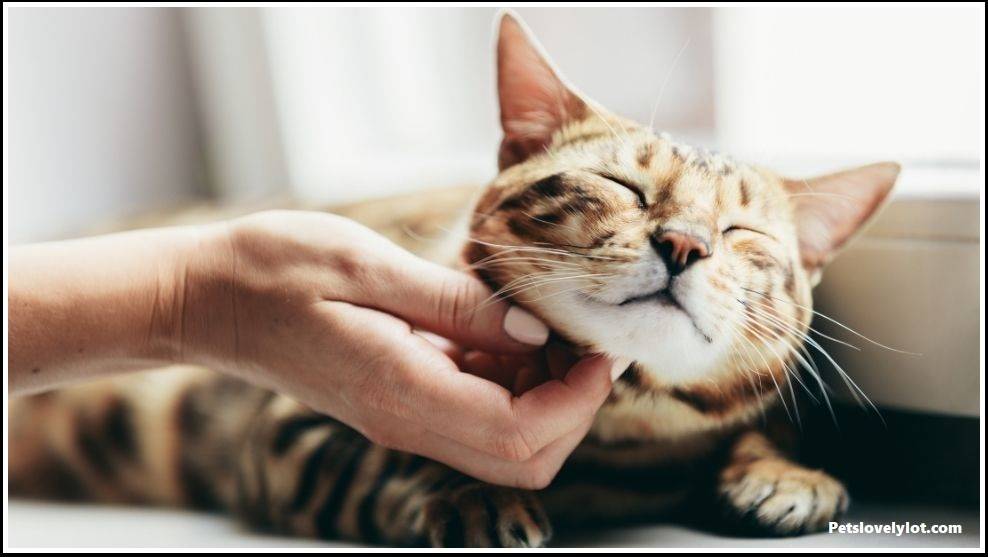
Trust forms the foundation of every successful cat training technique. Without it, even the best reward-based methods will stall. Cats aren’t naturally inclined to follow instructions the way dogs are. Their cooperation is earned through consistent, predictable interactions that signal safety. A cat that feels secure is far more likely to engage with training sessions, hold eye contact, and approach you voluntarily — all prerequisites for learning new behaviors.
The ASPCA recommends spending at least five to ten minutes daily in low-pressure, non-training interaction with your cat before attempting any formal session. Sit on the floor at the cat’s level and let them approach on their own terms. Avoid reaching over their head, which many cats read as a threat. Blinking slowly at your cat and waiting for a slow blink in return is a documented feline communication signal that indicates relaxed, non-threatening intent. Over one to two weeks of consistent low-pressure contact, most cats start initiating interaction themselves — and that’s your green light for structured training.
Consistent Routines That Reinforce Safety
Feed your cat at the same times each day, run training sessions in the same location, and keep your verbal tone consistent throughout. Predictability lowers cortisol levels in cats and directly supports the cognitive development needed for learning. Cats that experience unpredictable handling or sudden environmental changes often develop avoidance behaviors that stall training progress entirely (something shelter cats show us clearly during reintegration).
Never punish or startle your cat during or between sessions. Even a single negative interaction can set back weeks of trust-building work. Jackson Galaxy’s behavior modification approach consistently emphasizes that cats associate people with outcomes rather than intentions. When approaching you produces an unpleasant result, a cat’s nervous system files that association and adjusts future behavior accordingly. Keep every interaction positive and let the cat control the pace of physical contact during early trust-building phases.
Evaluating Cat Training Progress
Track each session in a simple log noting the command practiced, number of correct responses, treat used, and session length. A cat performing a behavior correctly 80% of the time across three separate sessions on different days has reliably learned that behavior. Chewy’s pet behavior resource library and Petco’s in-store training consultants both recommend using a written log to catch plateaus early, before they become entrenched habits. You can find additional guidance on ASPCA’s cat training resource page.
Review your log every seven days and look for patterns. When correct responses drop below 60% for two or more consecutive sessions, the behavior hasn’t been fully learned — and training criteria were likely advanced too quickly. Return to the previous step and rebuild from there. Bump up the treat value if motivation seems to be the limiting factor. Switch from dry kibble rewards to small pieces of freeze-dried chicken or tuna-based treats, which carry stronger scent signals and higher palatability for most cats.
Film short 60-second clips of your sessions every two weeks. Video lets you review your own timing, cue delivery, and body language with an objectivity that’s hard to achieve in the moment. Use these recordings alongside your written log to make precise, evidence-based adjustments to your training approach. For a deeper look at feline learning behavior, Jackson Galaxy’s official blog offers practical frameworks grounded in real behavioral work.
Frequently Asked Questions
How old does a cat need to be to start training?
Kittens as young as eight weeks old can begin basic clicker training using short two-minute sessions. Older cats learn new behaviors just as well — age is never the barrier people assume it is. Adult and senior cats simply need more repetitions to form new associations, so keep sessions brief to match their attention spans.
Can all cats learn commands, or only certain breeds?
Every domestic cat can learn commands through positive reinforcement. Breeds like Bengals, Abyssinians, and Maine Coons tend to show higher natural motivation for interactive training, but any cat with access to high-value rewards and a calm environment can learn at least three to five reliable behaviors. Breed shapes enthusiasm, not ability.
How long does it take to teach a cat a new command?
Most cats pick up a basic command like “sit” within seven to fourteen days of consistent daily sessions. Complex behaviors — like opening a cabinet latch or running a target sequence — may take four to six weeks of progressive shaping. The timeline really comes down to session consistency, treat value, and how cleanly you break the behavior into small, achievable steps.
Should I use a clicker or just verbal praise?
A clicker delivers a faster, more precise marker signal than the human voice. That precision makes it far more effective during the early stages of teaching new commands. Verbal praise works well as a secondary reinforcer once the behavior is solid. Many trainers use both together — the clicker marks the exact moment of correct behavior, and verbal praise follows as an added reward signal.
How do I know if my training approach is stressing my cat?
Watch for flattened ears, a tucked or lashing tail, dilated pupils, or repeated attempts to leave the training area. These signals mean your cat is uncomfortable with the current pace or environment. Stop the session immediately and give your cat space. If stress signals keep showing up across multiple sessions, consult a certified feline behaviorist through the International Association of Animal Behavior Consultants.
Conclusion and Next Steps
Positive reinforcement, applied consistently in three-to-five-minute sessions, is the single most effective foundation for teaching cat commands and changing unwanted behaviors. Throughout this guide, you’ve seen how feline cognitive development, body language, clicker timing, and session structure all work together to produce reliable, lasting results. No single element stands alone. Each one reinforces the others, and pulling any piece out slows the whole learning process.
Cat behavior modification works best when you treat every session as a conversation rather than a performance. Your cat communicates through ear position, tail carriage, whisker angle, and pupil size. You communicate through marker timing, treat delivery, and clear cue signals. When both sides of that exchange become fluent, the training relationship stops feeling like effort and starts feeling like genuine partnership. That shift is the real measure of progress, not the number of tricks your cat can perform on cue.
Core Principles to Carry Forward
Reward-based cat training rests on three non-negotiable principles: timing, consistency, and value. Your marker signal must land within one second of the correct behavior. You must deliver the same cue the same way every session. The reward must be motivating enough to compete with everything else in your cat’s environment.
Avoid any discipline approach that relies on punishment, startling sounds, or physical correction. The ASPCA’s Animal Behavior team explicitly states that aversive methods damage the human-animal bond and increase fear-based reactivity in cats. Fear doesn’t produce reliable behavior — it produces avoidance. Build every behavior on a foundation of safety, predictability, and reward, and your cat will actively seek out training sessions rather than retreat from them.
Recommended Resources for Continued Learning
The ASPCA’s cat behavior and training resource library offers free, vet-reviewed guidance on everything from litter box retraining to multi-cat household dynamics. Bookmark it for whenever a new behavioral challenge comes up. Their content is updated regularly and covers edge cases that general training guides routinely miss.
Jackson Galaxy’s published work — especially his book “Total Cat Mojo” — gives deep context for understanding feline behavior modification through the lens of a cat’s natural instincts. His “raw cat” versus “mojo cat” framework helps owners figure out whether a behavioral issue comes from training gaps or unmet environmental needs (two very different problems that require very different solutions). Sorting out environmental needs first makes every training effort that follows more effective.
Petco and Chewy both carry the core tools covered in this guide, including Karen Pryor clickers, stainless steel target sticks, and freeze-dried treat options like Vital Essentials and Stella and Chewy’s. Chewy’s AutoShip program means you’ll never hit a session without high-value rewards on hand. Keeping a consistent supply removes one of the most common practical barriers to daily training.
Building a Long-Term Training Plan
Set up a 90-day training calendar broken into three 30-day phases. Spend the first 30 days building one solid foundation behavior, like a nose touch to a target stick. Use the second 30 days to generalize that behavior across three different spots in your home. Then spend the final 30 days introducing a second behavior while keeping the first one sharp. This phased structure prevents overloading your cat’s learning process and gives you clear milestones to measure against.
Every two weeks, review your session logs alongside the video recordings covered in the previous section. Look for patterns in engagement duration, treat acceptance rate, and response latency. Response latency — the time between your cue and your cat’s response — is one of the most reliable signs of how well a behavior has been learned. Under two seconds means the behavior is strong and fluent. Above four seconds signals that more reinforcement history is needed before you add any complexity.
If persistent challenges keep coming up that your own adjustments can’t fix, consult a certified feline behaviorist through the International Association of Animal Behavior Consultants. Their directory lists practitioners by location and specialty. A single 60-minute consultation can pinpoint the exact gap in your approach and save weeks of unproductive sessions. Building trust with your cat is a long-term investment — and professional guidance speeds up that process without undermining the relationship you’ve already built.
Frequently Asked Questions
Can I train a cat that has never been handled much before?
Start by spending five minutes daily near your cat without trying any direct interaction. Let your cat approach you on its own terms and reward every approach with a small, high-value treat placed on the floor. Once your cat reliably comes within arm’s reach, introduce a clicker and begin basic target training. Progress will be slower than with a socialized cat. But consistent, low-pressure sessions build the trust needed for successful training over four to eight weeks.
Do I need professional training equipment or will household items work?
A basic clicker from Petco or Chewy costs under three dollars and outperforms improvised tools like tongue clicks or finger snaps because it delivers a consistent, neutral sound every time (which most cats respond to far more reliably than you’d expect). A wooden chopstick works fine as a target stick in early sessions. High-value treats like freeze-dried chicken or tuna flakes are the most important investment you can make. Treat quality directly drives your cat’s motivation to engage.
How many behaviors can a cat realistically learn?
A motivated cat trained with daily positive reinforcement can learn ten to fifteen distinct behaviors over a year. Depth matters more than breadth here. A cat that responds to five cues with near-perfect reliability across varied environments has a stronger foundation than one that knows fifteen behaviors with shaky, inconsistent responses.
Is it possible to train two cats at the same time?
Train each cat separately for the first 60 days to build individual reinforcement histories and avoid competition or distraction. Once both cats respond reliably to their own cues, you can run parallel sessions in the same room using separate training stations at least six feet apart. Use different treat types for each cat — this makes it easy to track which rewards belong to which animal and cuts down on confusion during simultaneous sessions.
How do I maintain behaviors my cat has already learned?
Once your cat performs a behavior reliably, switch from continuous reinforcement to a variable ratio schedule. Reward every third or fourth correct response rather than every single one. Variable ratio schedules produce the most durable behaviors, according to feline cognitive development research, and they keep your cat from losing interest due to predictability (the same reason slot machines are so hard to walk away from). Run a quick two-minute maintenance session at least three times per week. That’s enough to keep established behaviors sharp without needing full training blocks.