Key Takeaways
- Asphalt can reach temperatures exceeding 150°F (65°C) on a hot summer day, making it dangerous for unprotected dog paws.
- The seven-second rule is the simplest and most reliable field test to determine if pavement is too hot for your dog to walk on safely.
- Dog booties, paw wax products like Musher’s Secret, and rubber paw covers like Pawz offer effective layers of protection against hot asphalt burns.
- Walking dogs during early morning or late evening hours significantly reduces the risk of paw pad burns during summer months.
- Hydration for dogs is essential during hot weather walks — always carry a Hydro Flask or portable water bowl to keep your pet cool.
- Veterinarians recommend regular paw pad inspections throughout summer to catch early signs of burns, cracking, or irritation.
- Recognizing heat stress symptoms early can prevent life-threatening situations for your dog during warm-weather outings.
To shield your dog’s paws from hot asphalt, use the seven-second hand test before every walk — if you cannot hold your palm on the pavement for seven seconds, it is too hot for your dog. Walk during cooler hours, use dog booties or paw wax like Musher’s Secret, and always carry water to prevent heat-related injuries.
Understanding the Risks of Hot Asphalt for Dogs
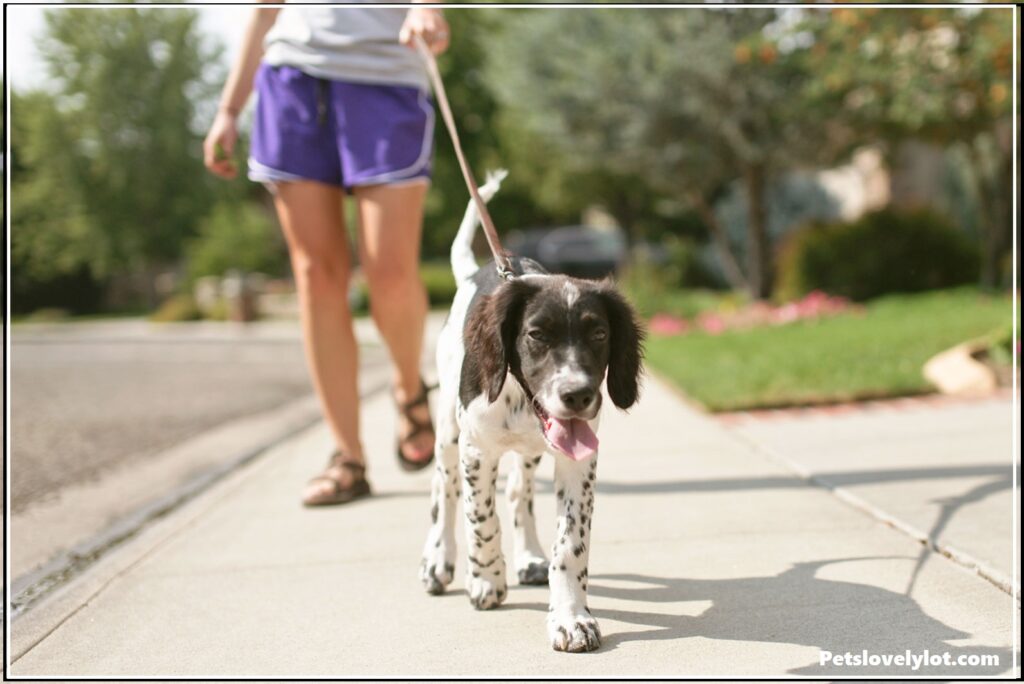
Most people have no idea how extreme asphalt temperatures get in summer. Air temperature on a sunny day might sit around 85°F (29°C), but the black asphalt beneath your dog’s feet can hit between 130°F and 160°F (54°C to 71°C) at the same time. That gap exists because asphalt absorbs and holds solar radiation far more intensely than lighter surfaces. A dog’s paw pads are naturally tougher than human skin — but they are nowhere near built to handle sustained contact with surfaces that hot. Burns can start forming within sixty seconds, ranging from mild redness to severe blistering, peeling, and open wounds that need immediate vet attention. The danger goes beyond surface burns. Walking on scorching pavement causes dogs to change their gait, which puts strain on joints and wears out muscles faster. Heat radiating up from asphalt also raises your dog’s overall body temperature, pushing them closer to heat stroke — a condition that can be fatal. Vets consistently flag pavement awareness as a core summer concern, not a minor footnote. Small breeds and puppies face extra risk because they sit closer to the ground and their paw pads are often less conditioned. Senior dogs are another concern — reduced paw sensitivity means they may not show obvious pain while sustaining serious burns, making prevention even more critical for older animals. Understanding how a dog’s paw is built helps explain why hot pavement safety matters so much. Paw pads are made of thick, keratinized skin layered over fatty tissue and connective structures — a design that provides cushioning and some temperature resistance, but with clear thermal limits. Once heat compromises the outer layer, bacteria can move in fast. The resulting infections are painful, slow to heal, and expensive to treat. Paw pad protection is a genuine health and welfare issue. You should make it a priority before stepping outside on any warm day.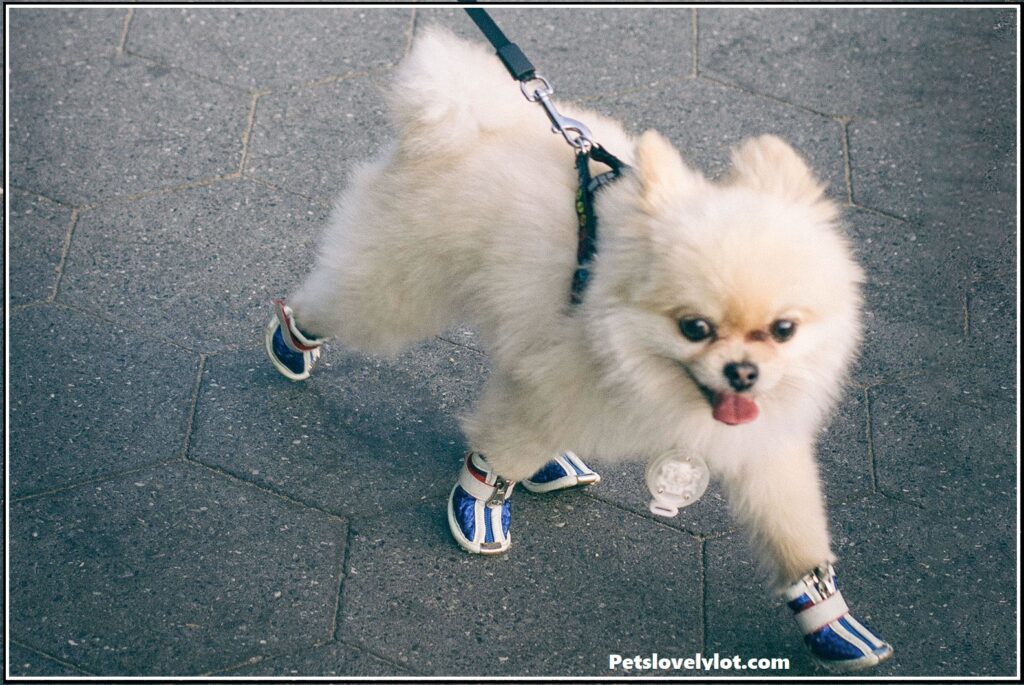
How to Test Asphalt Temperature
The most practical method for checking asphalt temperature before a dog walk is the seven-second rule. Press the back of your bare hand firmly against the pavement and hold it there for a full seven seconds. If you can’t keep it there the whole time, the surface is too hot for your dog to walk on safely. This works because human skin and dog paw pads share comparable heat tolerance thresholds making your hand a reliable stand-in for your pet’s paws. Vets and animal welfare organizations worldwide endorse this method as a quick, equipment-free way to make a smart call before every warm-weather walk. Beyond the hand test, several tools can give you a more precise read on pavement safety. Infrared thermometers are affordable and widely available online and in hardware stores. They let you measure exact surface temperature without touching the pavement at all. Any reading above 125°F (52°C) means you should avoid that surface entirely. Some pet owners also use smartphone weather apps showing air temperature and UV index as a first check before heading out. When air temperature tops 77°F (25°C) in direct sunlight, the pavement is likely already creeping into dangerous territory for your dog’s paws. Not all paved surfaces behave the same way, either. Concrete absorbs less heat than asphalt and can be a safer option during summer walks. Grass, dirt paths, and shaded sidewalks stay significantly cooler and are always the better choice when they’re available. Being strategic about your route — picking shaded paths, grassy verges, and tree-lined streets — is one of the simplest things you can do for your dog in summer.Selecting the Right Protective Gear for Dogs
Musher’s Secret Paw Wax was originally developed for sled dogs in Canada. It creates a breathable, semi-permeable barrier on paw pads that cuts down on direct heat transfer from hot asphalt. Apply a thin layer to each paw pad before every summer walk. The wax absorbs within seconds and won’t leave greasy marks on your floors. One tin typically lasts an average-sized dog an entire summer when you’re applying it three to four times per week. Dog booties offer the most complete physical barrier between paw pads and hot pavement. Pawz Natural Rubber Dog Boots are a popular choice among vets because they’re waterproof, disposable, and form a tight seal without cutting off circulation. Sizing is brand-specific, so measure your dog’s paw width at the widest point before you buy. A bootie that’s too loose will slide off within the first block — and one that’s too tight can restrict blood flow after just ten to fifteen minutes of walking.Fitting and Introducing Booties Correctly
Start bootie training indoors at least two weeks before summer heat peaks. Put one bootie on a single paw and let your dog wear it for five minutes while you reward calm behavior with treats. Gradually increase wearing time across several sessions until your dog tolerates all four booties through a full thirty-minute indoor session. Dogs introduced to booties abruptly on the first hot day of summer often refuse to walk or develop anxiety around the gear entirely. Check the fit after every walk. Booties should leave no redness or indentation marks on the skin above the paw when removed. The American Veterinary Medical Association recommends inspecting paw pads after every outdoor session in summer, whether or not your dog is wearing protective gear. Watch for cracking, redness, blistering, or any reluctance to bear weight on a specific paw. These are early signs of heat-related paw damage that need prompt veterinary attention.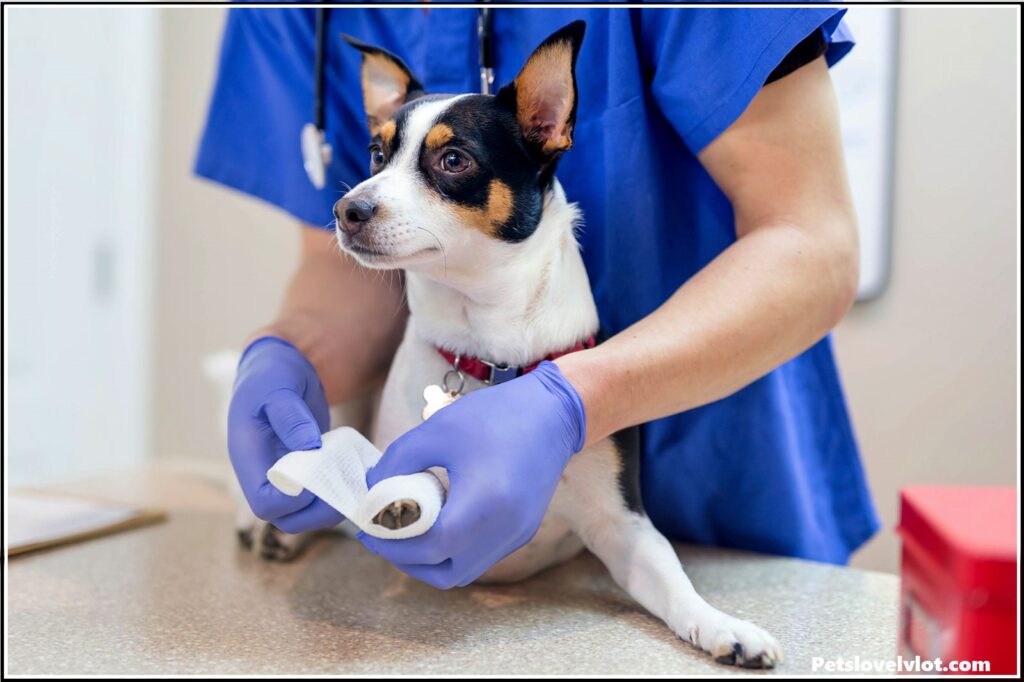
Paw Wax Versus Booties: Choosing the Right Option
Paw wax suits dogs that refuse booties or have irregular paw shapes that make fitting tricky. It also works well as a supplementary layer under thin booties on extremely hot days when asphalt temperatures exceed 130°F (54°C). Booties deliver stronger protection for longer walks on exposed pavement but require more preparation and acclimation time. For short five to ten minute bathroom breaks on hot days, paw wax alone is generally enough. For walks longer than fifteen minutes on asphalt in direct summer sunlight, booties are the more reliable choice.Pro Tip: Store Musher’s Secret in a cool, dry spot away from direct sunlight. Heat can change the wax consistency and reduce how well it protects paw pads. A bathroom cabinet or pantry shelf works perfectly throughout the summer season.
Important: This article is for informational purposes only and does not replace professional advice. Always consult a qualified professional for your specific situation.
Tips for Walking Dogs Safely on Hot Days
Schedule all walks before 8:00 a.m. Or after 7:00 p.m. During June through August. Asphalt soaks up heat all day and holds it well into the evening. Surface temperatures typically drop to safer levels within one to two hours after sunset. Morning walks before 8:00 a.m. Take advantage of overnight cooling and lower humidity, making them the single most effective scheduling change you can make for summer dog walking safety. Carry water on every walk, no matter how short the route. A collapsible silicone bowl paired with a Hydro Flask insulated water bottle keeps water cold for up to twenty-four hours. That’s far more practical than standard plastic bottles, which warm up fast in summer heat. Dogs can show early signs of heat exhaustion after as little as ten minutes of vigorous activity when temperatures exceed 85°F (29°C). Offer water every ten to fifteen minutes during the walk rather than waiting until your dog looks visibly tired or thirsty.Choosing Safer Walking Routes in Summer Heat
Map out shaded routes before summer hits. Tree-lined streets, park paths with canopy cover, and trails with natural ground cover consistently register ten to twenty degrees cooler than open asphalt under direct sunlight. Google Maps satellite view lets you spot green corridors and shaded paths in your neighborhood before committing to a route. Switching from a standard pavement loop to a park trail can meaningfully cut your dog’s paw pad exposure to dangerous surface temperatures without shortening their exercise time at all. Avoid storm drains, metal grates, and dark-colored asphalt patches on summer walks. These surfaces absorb and hold more heat than standard gray pavement and can cause burns in under sixty seconds of contact. Parking lots are among the most dangerous surfaces for dogs on summer afternoons — those vast, shadeless stretches of dark asphalt heat up to extreme temperatures fast. Cross parking lots only when you have to, and move at a brisk pace to keep contact time short.Recognizing Heat Stress During Walks
Watch for excessive panting, drooling, a slowing pace, or reluctance to keep moving. These are early behavioral signs that your dog is feeling heat stress. Licking or chewing at paw pads during or right after a walk signals discomfort or early-stage burns. Stop the walk immediately if any of these signs appear. Move your dog to shade, offer water, and press a damp cloth soaked in cool water against the paw pads. Don’t use ice-cold water — rapid temperature change can cause additional tissue stress. If symptoms don’t ease within ten minutes of rest and cooling, contact your veterinarian directly for guidance on next steps.Hydration and Cooling Techniques for Dogs
A 40-pound dog needs about 40 ounces of water per day under normal conditions. That requirement jumps by 50 percent or more during summer walks in high heat. Dehydration speeds up heat stress faster than most owners expect — especially on humid days when air temperature climbs past 85°F (29°C). Carrying enough water is non-negotiable on summer outings. A Hydro Flask 32-ounce wide-mouth bottle paired with a Ruffwear Quencher collapsible bowl gives you a solid, portable hydration setup that fits easily into a small backpack or belt clip. Offer water breaks every ten minutes during active summer walks, not just when your dog seems thirsty. Dogs don’t self-regulate hydration as well as humans do, and thirst signals often lag behind actual dehydration. Before leaving the house, give your dog fresh water about fifteen minutes before the walk starts. This simple step builds a hydration buffer that lowers the risk of early-onset heat stress during the first stretch of your outing. Cooling products add another layer of protection beyond water intake. The Ruffwear Swamp Cooler vest uses evaporative cooling technology to bring down a dog’s core body temperature during walks. Soak the vest in cold water, wring it out lightly, and put it on your dog before heading outside. Depending on ambient temperature and humidity, the vest holds its cooling effect for thirty to sixty minutes. For dogs that resist wearing vests, a damp bandana placed over the jugular vein area on the neck produces a similar effect on a smaller scale.Pro Tip: Freeze a portion of your dog’s daily water allowance into ice cubes and add them to the travel bowl during walks. The ice slows drinking pace, prevents gulping, and extends the cooling effect of each water break by several minutes.
Shade Strategy During Summer Walks
Plan deliberate shade stops every fifteen to twenty minutes along your route. A dog standing on cool grass under a tree can experience a surface temperature difference of up to 40°F compared to standing on open asphalt in direct sunlight. These short breaks let paw pads recover heat, bring down core body temperature, and reduce cardiovascular strain. Scout shade spots on your route before you leave using Google Maps satellite view, so you’re not scrambling to find relief mid-walk. Parks with mature tree canopy cover are the most effective natural cooling environments for summer walks. The ASPCA recommends keeping dogs in shaded or air-conditioned environments whenever outdoor temperatures top 90°F (32°C). If your route lacks enough shade, bring a portable pop-up sun shelter for longer outdoor sessions. Several compact models weigh under two pounds and set up in under sixty seconds, making them genuinely practical for park visits and outdoor rest stops. Wet grass and soil passively cool paw pads during shade breaks. Let your dog stand or lie on damp grass whenever you can during rest stops. Skip concrete or brick surfaces even in shaded areas — these materials hold heat similarly to asphalt and keep radiating warmth long after direct sunlight moves on. Natural ground cover is consistently the safest surface for paw pad recovery on summer outings.Signs of Heat Stress in Dogs
Excessive panting that doesn’t slow after two minutes of rest is the earliest and most reliable sign of heat stress in dogs. Other immediate warning signs include heavy drooling, bright red or pale gums, glassy eyes, stumbling, and a sudden drop in walking pace. These symptoms mean your dog’s thermoregulation system is under serious strain. Act right away rather than waiting to see whether the symptoms clear up on their own. The moment heat stress symptoms appear, move your dog to shade or an air-conditioned space. Apply cool water directly to the paw pads, groin area, armpits, and back of the neck. Use water that’s cool but not ice cold — extreme temperature shifts can cause blood vessel constriction and actually slow the cooling process. A damp towel laid over your dog’s body speeds up heat dissipation effectively. Offer small amounts of cool water every few minutes rather than letting your dog drink large volumes at once, which can trigger vomiting and make dehydration worse. Call a veterinarian immediately if your dog loses consciousness, vomits, has a seizure, or shows no improvement within ten minutes of active cooling. Heat stroke becomes life-threatening when a dog’s core body temperature exceeds 104°F (40°C). The American Veterinary Medical Association classifies heat stroke as a medical emergency requiring immediate professional intervention. Don’t delay transport to a veterinary clinic while waiting for home cooling measures to fully kick in. Keep applying cooling measures during the drive to prevent your dog’s temperature from climbing further on the way there.- Excessive panting lasting more than two minutes after rest
- Bright red, pale, or tacky gums
- Heavy drooling or foamy saliva
- Stumbling, weakness, or collapse
- Glazed eyes or disorientation
- Vomiting or diarrhea during or after a walk
- Licking or chewing paw pads repeatedly after returning home
Long-term Paw Care and Maintenance
Apply a paw moisturizer like Musher’s Secret at least twice per week throughout summer. This prevents cracking, dryness, and surface breakdown on your dog’s paw pads. Paw pads naturally toughen with regular outdoor activity, but heat exposure speeds up moisture loss and causes the outer layer to split. Consistent moisturizing keeps the pad surface supple and resilient reducing the risk of painful fissures that let bacteria and debris enter. Do a full paw inspection every evening during hot weather months. Run your fingers across each pad and check between the toes for redness, swelling, small cuts, embedded debris, or early blistering. Catching minor damage early stops it from turning into a deeper wound that needs veterinary treatment. Keep a small paw care kit at home — containing a soft cloth, saline solution, Vetericyn Plus Wound Care Spray, and pet-safe bandaging material — so you can handle minor injuries right away. Trim the fur between your dog’s toes every two to three weeks during summer. Excess fur traps heat, collects hot debris like sand and gravel, and cuts off airflow to the skin between the pads. Use blunt-tipped grooming scissors or a low-vibration trimmer like the Wahl Bravura Lithium to keep this area clean. Shorter inter-digital fur improves the fit and grip of protective booties, making gear like Pawz rubber boots noticeably more effective.Building Pad Resilience Over Time
Gradually increasing your dog’s exposure to varied textures builds natural pad toughness over several weeks. Start with short five-minute walks on smooth pavement during cooler morning hours, then slowly extend the duration as the pads adapt. This conditioning approach mirrors what professional sled dog trainers use — building pad durability through progressive surface exposure before competitive seasons. Never rush this process, since forcing rapid conditioning causes abrasion and soreness rather than resilience. Rotate between grass, dirt paths, and smooth pavement during regular walks to encourage even pad development across all surfaces. Dogs that walk exclusively on soft ground develop thinner, more sensitive pads that are highly vulnerable to hot asphalt. Those that walk on varied surfaces develop denser, more protective pad tissue. The American Kennel Club recommends consistent multi-surface exposure as part of a year-round paw health routine, not just a summer strategy.Pro Tip: After applying Musher’s Secret or any paw balm, slip a pair of clean cotton socks over your dog’s paws for five minutes. This holds the product against the pad surface and dramatically improves absorption without leaving oily residue on your floors.
Hydration directly affects paw pad health from the inside out. Dehydrated dogs develop dry, brittle pads that crack more easily under heat stress. Keep a stainless steel water bottle like a Hydro Flask 32 oz Wide Mouth filled with fresh water on every walk, and offer your dog a drink every fifteen to twenty minutes during summer outings. Proper internal hydration works alongside topical moisturizers to maintain pad elasticity and overall skin health throughout the season.